Summer Health Tips: Advanced Health & Wellness Strategies for Peak Summer Well-Being
Summer is a season of energy, sunlight, and outdoor living, but it also places unique physiological and psychological demands on the human body. Rising temperatures, increased UV exposure, dehydration risks, disrupted sleep cycles, and mental fatigue all contribute to seasonal health challenges. Understanding advanced summer health tips allows individuals to move beyond basic advice and adopt scientifically grounded wellness strategies that protect both physical and mental health.
This comprehensive guide explores advanced health and wellness topics for summer, combining modern nutritional science, environmental health insights, circadian biology, hydration physiology, and mental resilience practices. When applied holistically, these strategies help maintain balance, productivity, and vitality throughout the hottest months of the year.
Understanding Summer Stress on the Human Body

The human body is designed to maintain internal balance, also known as homeostasis. During summer, high ambient temperatures force the body to work harder to regulate core temperature. Sweating increases, electrolytes are lost rapidly, and cardiovascular demand rises as blood vessels dilate to release heat.
Heat stress does not only affect physical performance; it also impacts cognitive clarity, mood stability, and sleep quality. Prolonged exposure to heat can subtly elevate cortisol levels, leading to fatigue, irritability, and weakened immunity. Advanced summer wellness begins with understanding these systemic effects and responding proactively rather than reactively.
Hydration Science: Beyond Drinking More Water



4
Hydration is often oversimplified as “drink more water,” but optimal summer hydration is far more nuanced. Excessive water intake without electrolyte balance can dilute sodium levels, leading to fatigue, headaches, and muscle cramps. Advanced hydration strategies focus on fluid-electrolyte equilibrium rather than volume alone.
Electrolytes such as sodium, potassium, magnesium, and chloride regulate nerve signaling, muscle contraction, and cellular hydration. During intense heat or physical activity, replenishing these minerals becomes essential. Coconut water, mineral-infused water, and lightly salted beverages can support hydration more effectively than plain water alone.
Timing hydration is equally important. Consistent intake throughout the day supports cellular absorption better than consuming large volumes at once. Early-morning hydration primes metabolism, while evening hydration should be moderate to prevent sleep disruption.
For deeper hydration strategies and wellness-focused lifestyle optimization, you can explore advanced health insights on
👉 https://rankifycontent.com
Summer Nutrition: Eating for Heat Adaptation
Seasonal nutrition plays a crucial role in thermoregulation, gut health, and energy stability. During summer, digestion naturally slows as the body prioritizes cooling mechanisms. Heavy, high-fat meals increase metabolic heat production and contribute to lethargy.
A summer-optimized diet emphasizes water-rich foods such as cucumbers, watermelon, citrus fruits, leafy greens, and berries. These foods provide hydration, antioxidants, and micronutrients that protect against oxidative stress caused by UV exposure.
Protein intake should remain adequate but distributed evenly across meals to prevent digestive overload. Lean proteins such as fish, legumes, yogurt, and eggs support muscle repair without excessive heat generation. Fermented foods like yogurt and kefir also enhance gut health, which plays a central role in immune resilience during seasonal transitions.
For evidence-based dietary guidelines, refer to global health resources such as the World Health Organization
👉 https://www.who.int
Heat-Smart Fitness: Exercising Safely in Summer
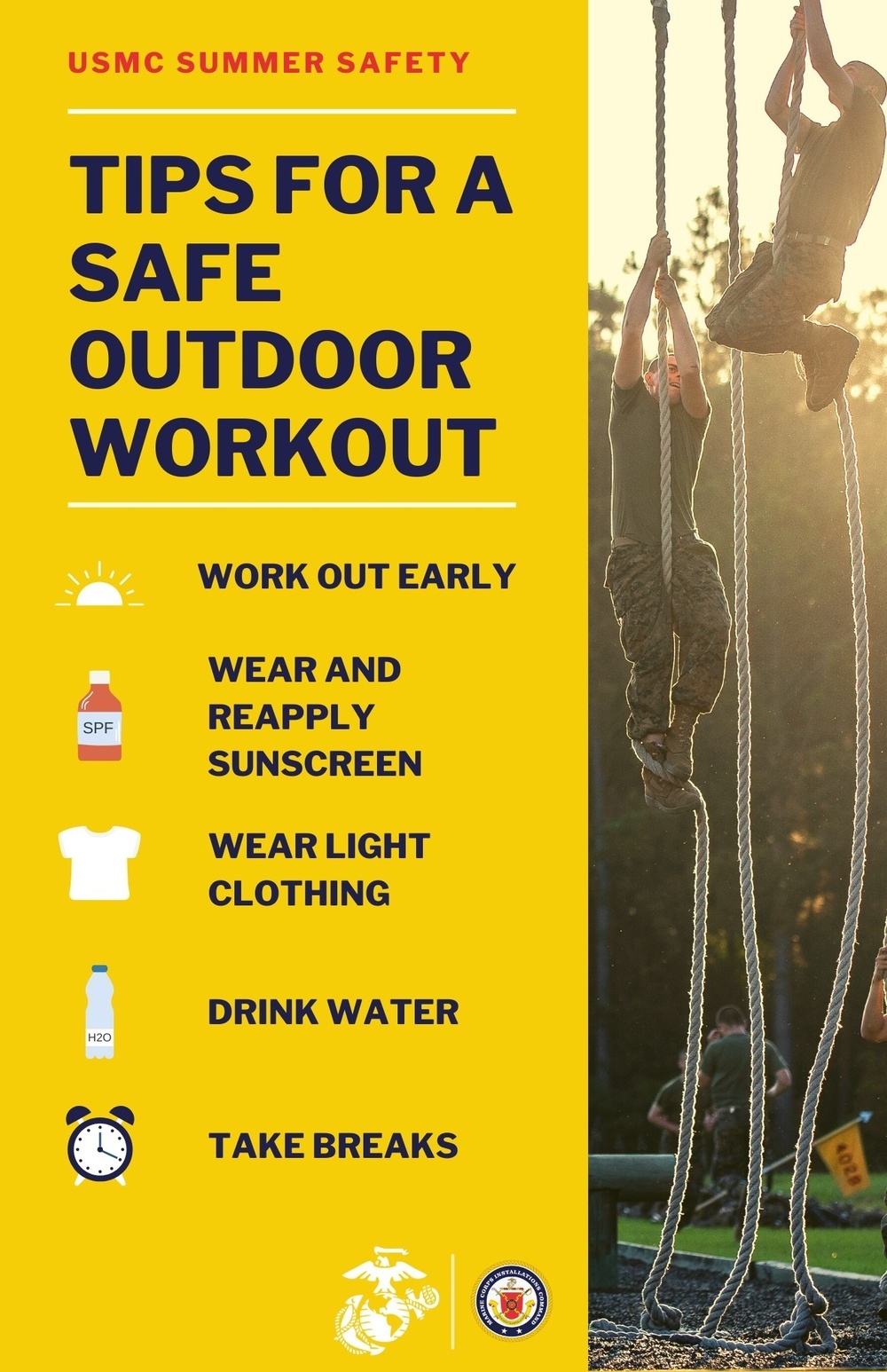


Physical activity remains essential during summer, but training intensity and timing require adjustment. Exercising during peak heat increases the risk of dehydration, heat exhaustion, and cardiovascular strain. Advanced fitness planning prioritizes circadian-aligned workouts, scheduling sessions during early morning or late evening when temperatures are lower.
Low-impact exercises such as swimming, yoga, resistance training, and brisk walking help maintain fitness without excessive thermal load. Incorporating rest intervals and cooling strategies, such as shaded breaks and breathable clothing, supports endurance and recovery.
Post-workout nutrition is especially critical in summer. Replenishing electrolytes, fluids, and amino acids within 30 to 60 minutes supports muscle repair and prevents delayed fatigue. Stretching and mobility exercises further enhance circulation and reduce inflammation.
Skin Health & UV Defense: Beyond Sunscreen
Sun exposure is unavoidable in summer, but skin protection requires a multi-layered approach. While sunscreen is essential, relying on it alone ignores other protective mechanisms. UV radiation accelerates skin aging, disrupts collagen production, and increases oxidative stress at the cellular level.
Antioxidant-rich nutrition supports skin defense from within. Vitamins C and E, beta-carotene, and polyphenols neutralize free radicals generated by sun exposure. Hydrated skin also maintains barrier function more effectively, reducing sensitivity and inflammation.
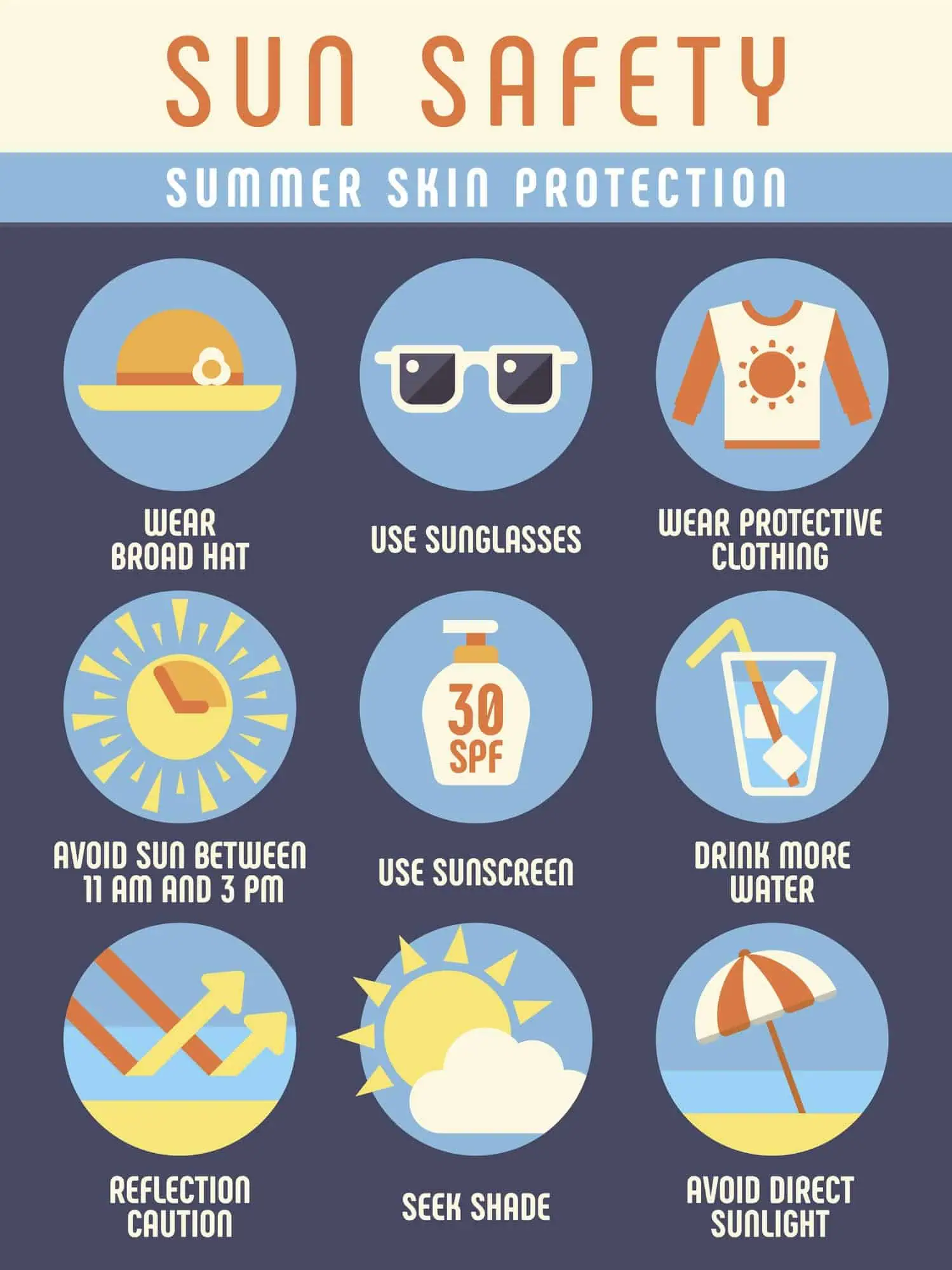
Protective clothing, wide-brim hats, and sunglasses significantly reduce cumulative UV damage. Limiting direct sun exposure during midday hours further protects both skin and eye health. Advanced summer skincare is about prevention, consistency, and internal-external balance.
Sleep Optimization in Hot Weather


Quality sleep often declines during summer due to heat, longer daylight hours, and irregular schedules. Elevated nighttime temperatures interfere with the body’s natural cooling process, delaying deep sleep phases.
Advanced sleep optimization strategies include maintaining a cool sleeping environment, using breathable bedding materials, and aligning sleep timing with circadian rhythms. Evening routines should minimize stimulating activities and heavy meals, allowing core body temperature to drop naturally.
Hydration earlier in the day supports thermoregulation at night, while limiting caffeine and screen exposure improves melatonin release. Consistent sleep-wake schedules help stabilize energy levels and mood throughout summer.
Mental Wellness & Emotional Balance in Summer
While summer is associated with positivity, it can also amplify anxiety, irritability, and emotional exhaustion. Heat stress affects neurotransmitter balance and can intensify emotional responses. Social pressure to remain active and productive may further contribute to mental fatigue.
Mindfulness practices, controlled breathing, and scheduled rest periods support nervous system regulation. Spending time in natural environments such as parks or near water has been shown to reduce cortisol levels and improve mood stability.
Mental wellness should be approached as an integral component of summer health, not an afterthought. Creating boundaries around work, social commitments, and digital exposure preserves emotional energy and promotes long-term resilience.
Immune System Support During Summer
Contrary to popular belief, immune challenges do not disappear in summer. Dehydration, disrupted sleep, excessive sun exposure, and poor nutrition can weaken immune defenses. Travel, air conditioning, and temperature fluctuations also increase vulnerability to infections.
Supporting immunity requires consistent micronutrient intake, particularly zinc, vitamin D, and vitamin C. Adequate protein consumption supports antibody production, while gut health remains central to immune signaling.
Stress management, quality sleep, and hydration form the foundation of immune resilience. Advanced wellness strategies focus on prevention rather than reactive treatment.
Environmental Awareness & Heat Safety
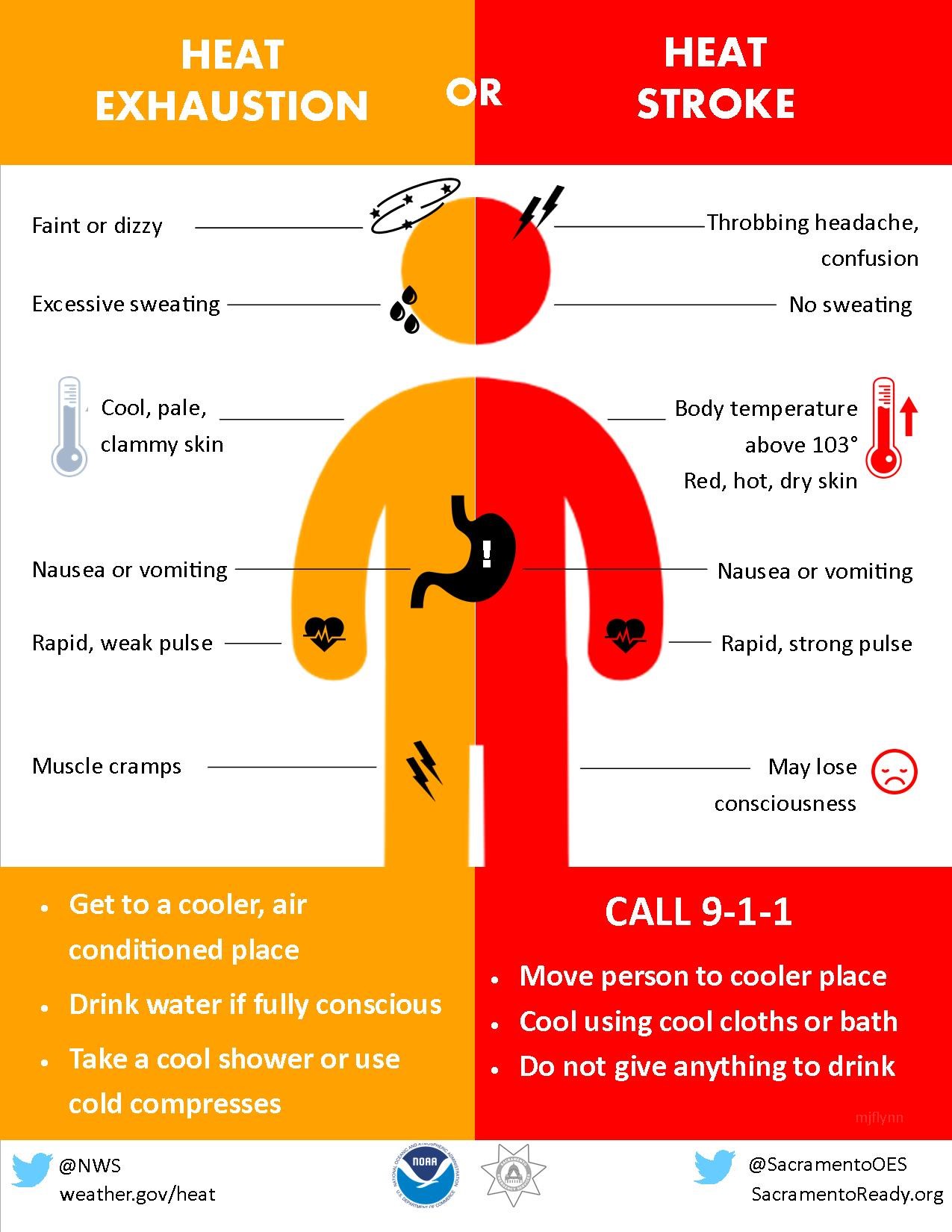
Rising global temperatures have made heat-related illness a growing public health concern. Understanding environmental risk factors and early warning signs is critical. Dizziness, nausea, confusion, and excessive fatigue may indicate heat exhaustion or heat stroke.
Avoiding prolonged sun exposure, wearing breathable clothing, and monitoring hydration are essential safety measures. Community awareness and personal responsibility play key roles in reducing heat-related health risks.
Summer places unique metabolic, nutritional, and environmental demands on the human body. While hydration forms the foundation of summer wellness, long-term health during hot months depends heavily on strategic nutrition, heat-smart physical activity, and proactive skin protection. These elements work together to stabilize energy levels, reduce inflammation, and prevent seasonal burnout.
This section explores advanced summer health strategies that go beyond basic advice, focusing on how food timing, exercise adaptation, and skin defense can significantly improve overall summer well-being.
Summer Nutrition: Eating for Heat, Energy & Cellular Balance
Nutrition during summer should support cooling, hydration, and efficient digestion. As temperatures rise, blood flow is redirected toward the skin for cooling, reducing digestive efficiency. This means that heavy, calorie-dense meals increase fatigue, while lighter, nutrient-rich foods enhance energy and comfort.
A summer-optimized diet emphasizes high-water-content foods, such as cucumbers, tomatoes, melons, citrus fruits, leafy greens, and berries. These foods naturally support hydration while delivering antioxidants that protect cells from heat-induced oxidative stress. Including seasonal fruits not only improves digestion but also helps regulate body temperature naturally.
Protein intake remains essential but should be consumed in moderate portions across the day rather than in large servings. Lean protein sources such as fish, eggs, legumes, yogurt, and plant-based proteins support muscle maintenance and immune function without generating excessive metabolic heat.
For deeper insights into health-focused content optimization and wellness education, you can explore advanced resources at
👉 https://rankifycontent.com
Electrolyte Balance: The Missing Link in Summer Health
Many people experience summer fatigue despite drinking adequate water. This is often due to electrolyte imbalance, not dehydration alone. Sweating leads to the loss of sodium, potassium, magnesium, and chloride—minerals essential for nerve signaling, muscle contraction, and cellular hydration.
Without replenishing electrolytes, the body struggles to retain fluids efficiently. This results in headaches, weakness, muscle cramps, and reduced mental clarity. Natural electrolyte sources include coconut water, bananas, leafy greens, seeds, yogurt, and lightly salted meals.
Rather than relying on sugar-loaded sports drinks, advanced summer wellness focuses on clean electrolyte replenishment through whole foods and mineral-rich beverages. Maintaining electrolyte balance supports endurance, cardiovascular stability, and cognitive performance throughout hot days.
Heat-Smart Fitness: Training with the Seasons


Physical activity is a pillar of health, but summer requires adaptive fitness strategies. Exercising during peak heat increases stress on the cardiovascular system and raises the risk of dehydration and heat exhaustion. Advanced summer fitness prioritizes timing, intensity control, and recovery.
Early morning and late evening workouts align best with the body’s natural cooling cycles. Activities such as walking, swimming, resistance training, yoga, and cycling offer cardiovascular and muscular benefits without excessive thermal strain. High-intensity workouts should be shortened or modified during extreme heat.
Rest intervals, shaded environments, and breathable clothing significantly reduce heat stress. Post-exercise hydration and electrolyte replenishment are essential to prevent delayed fatigue and muscle breakdown.
According to global health guidelines published by the World Health Organization, adapting physical activity to climate conditions is a key factor in preventing heat-related illness
👉 https://www.who.int
Recovery & Inflammation Control in Summer
Recovery is often overlooked during summer, yet it becomes more important as heat increases physiological stress. Elevated temperatures can intensify inflammation, slow muscle repair, and disrupt hormonal balance.
Anti-inflammatory nutrition plays a vital role in summer recovery. Foods rich in omega-3 fatty acids, antioxidants, and polyphenols—such as fatty fish, olive oil, turmeric, berries, and green vegetables—support cellular repair and joint health.
Sleep quality also influences recovery. Poor sleep combined with heat exposure increases cortisol levels, impairing immune response and muscle repair. Strategic cooling, hydration earlier in the day, and consistent sleep routines enhance recovery and long-term performance.
Skin Health in Summer: Protection from the Inside Out



Skin is the body’s first line of defense against environmental stress, especially during summer. Prolonged sun exposure accelerates aging, weakens collagen, and increases oxidative damage. While sunscreen is essential, advanced skin protection requires a holistic approach.
Nutrition plays a critical role in skin resilience. Vitamins C and E, beta-carotene, zinc, and selenium support collagen synthesis and protect against UV-induced free radicals. Hydration also maintains skin elasticity and barrier function, reducing dryness and sensitivity.
Physical protection is equally important. Wearing breathable, UV-protective clothing, hats, and sunglasses significantly reduces cumulative sun damage. Limiting direct sun exposure during midday hours further protects skin health and prevents long-term damage.
Gut Health & Digestion During Hot Weather
Digestive discomfort is common in summer due to slowed digestion and changes in eating habits. Heat diverts blood flow away from the digestive tract, making heavy meals harder to process.
Supporting gut health during summer involves lighter meals, adequate fiber, and fermented foods. Yogurt, kefir, and fermented vegetables promote beneficial gut bacteria, improving digestion and immune signaling.
Spacing meals evenly and avoiding overeating supports metabolic balance. Herbal drinks such as mint or chamomile can further aid digestion and reduce bloating during hot weather.
Energy Management & Productivity in Summer
Energy fluctuations are common during summer due to dehydration, poor sleep, and nutritional imbalance. Advanced energy management focuses on stability rather than stimulation.
Balanced meals, consistent hydration, and strategic breaks during peak heat hours improve productivity. Rather than relying on caffeine, which can increase dehydration, individuals benefit more from proper nutrition, rest, and cooling strategies.
Short rest periods, exposure to fresh air, and mindfulness practices help maintain mental clarity and emotional balance throughout the day.
While physical health strategies such as nutrition and fitness form the foundation of summer wellness, mental health, sleep quality, immune resilience, and environmental awareness ultimately determine how well the body adapts to prolonged heat. Summer often disrupts routines, sleep cycles, and emotional stability, making advanced wellness strategies essential for sustained performance and long-term health.
This final section explores how to protect mental well-being, improve sleep in hot weather, strengthen immunity, and maintain safety during extreme summer conditions.
Mental Wellness in Summer: Managing Heat-Induced Stress
Mental health is deeply influenced by environmental conditions. Prolonged heat exposure affects neurotransmitter balance, increases irritability, and elevates stress hormones such as cortisol. Many individuals experience reduced concentration, mood swings, and emotional exhaustion during peak summer months.
Advanced summer mental wellness focuses on nervous system regulation. Practices such as mindfulness meditation, slow breathing techniques, and intentional rest periods help stabilize emotional responses. Even short daily mindfulness sessions can significantly reduce stress and improve mental clarity.
Spending time in nature also plays a powerful role. Natural environments, particularly green spaces or areas near water, help cool the body and calm the mind. Limiting excessive screen exposure and setting boundaries around work hours further protect mental energy during hot days.
For more insights on lifestyle balance and wellness-focused content strategies, explore
👉 https://rankifycontent.com
Sleep Optimization During Hot Weather

4
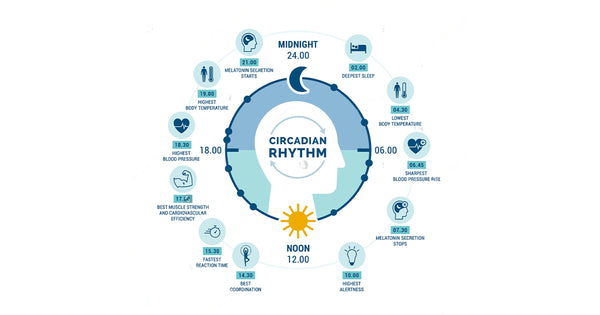
Sleep quality often declines in summer due to higher nighttime temperatures, longer daylight hours, and irregular routines. The body requires a slight drop in core temperature to enter deep sleep, and heat can delay this process.
Advanced sleep optimization strategies begin with environmental control. Keeping the bedroom cool, using breathable cotton or bamboo bedding, and ensuring proper air circulation support thermoregulation. Blackout curtains help regulate light exposure, supporting natural melatonin production.
Hydration timing also matters. Drinking sufficient fluids earlier in the day prevents nighttime dehydration while reducing sleep disruptions caused by frequent waking. Evening routines should emphasize relaxation, avoiding heavy meals, caffeine, and screen exposure before bedtime.
Consistent sleep and wake times help stabilize circadian rhythms, improving energy, mood, and immune function throughout summer.
Immune System Support in Summer
Contrary to common belief, immune challenges do not disappear during summer. Dehydration, poor sleep, heat stress, and frequent travel can weaken immune defenses, making the body more vulnerable to illness.
Supporting immunity requires a multi-layered approach. Adequate protein intake supports antibody production, while micronutrients such as vitamin C, vitamin D, zinc, and magnesium play key roles in immune signaling and inflammation control.
Gut health remains central to immune resilience. A balanced diet rich in fiber, fermented foods, and diverse plant nutrients strengthens the gut microbiome, which directly influences immune response. Managing stress and prioritizing sleep further enhance immune protection during summer.
According to global public health guidance from the World Health Organization, maintaining hydration, nutrition, and heat awareness is essential for preventing seasonal health risks
👉 https://www.who.int
Environmental Awareness & Heat Safety

4
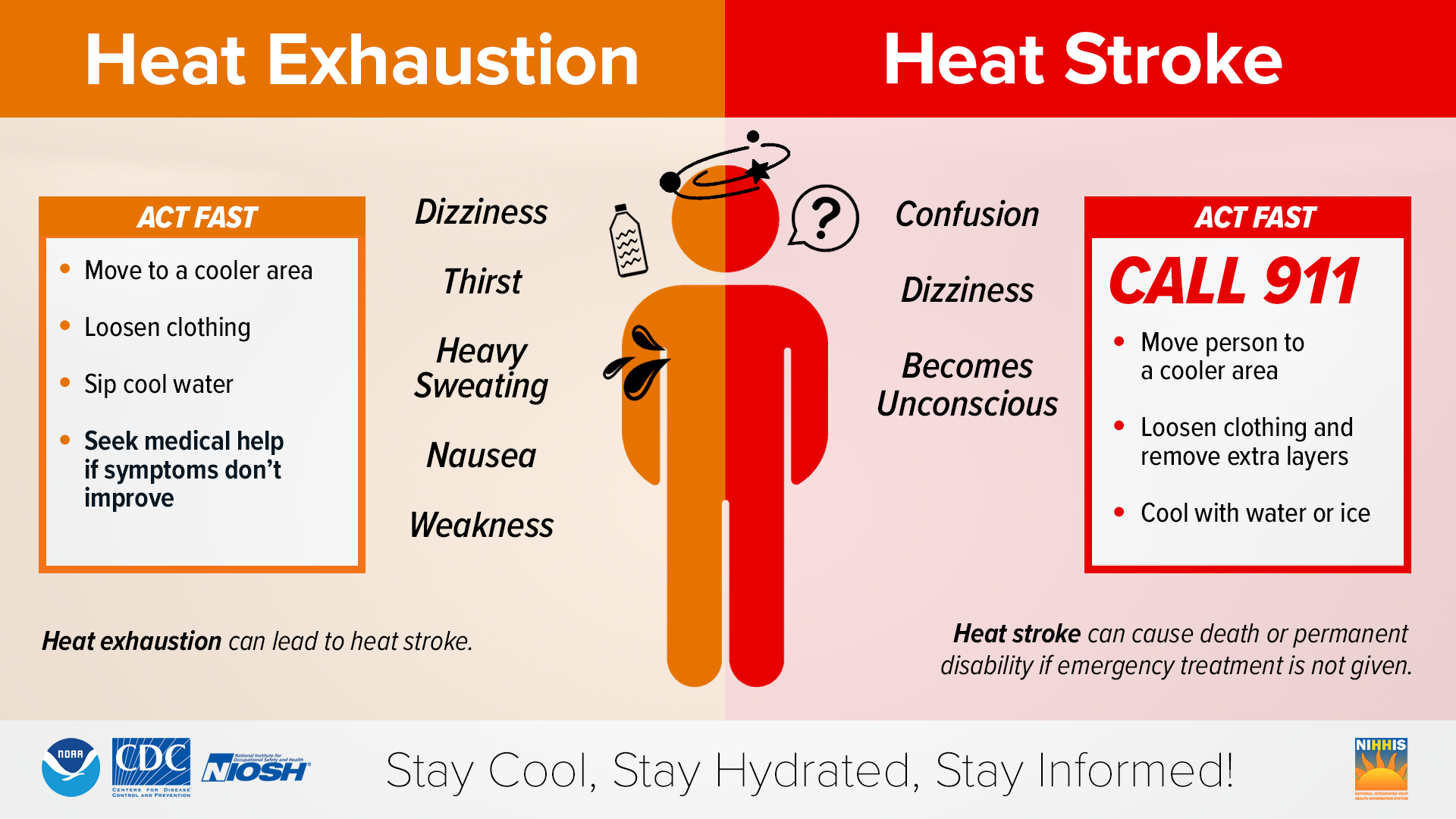
Rising global temperatures have made heat-related illness a serious health concern. Heat exhaustion and heat stroke can develop quickly, especially during prolonged outdoor exposure or physical exertion.
Early warning signs include dizziness, nausea, confusion, excessive fatigue, and rapid heartbeat. Ignoring these symptoms can lead to severe complications. Advanced summer wellness emphasizes prevention, awareness, and timely intervention.
Wearing light-colored, breathable clothing, taking frequent breaks, avoiding peak sun hours, and maintaining hydration are essential safety measures. Special attention should be given to children, older adults, and individuals with chronic health conditions, as they are more vulnerable to heat-related risks.
Frequently Asked Questions (FAQs) – Advanced Summer Health & Wellness Guide
1. Why do summer temperatures affect overall health more than other seasons?
Summer heat places additional stress on the cardiovascular, nervous, and metabolic systems. The body must work harder to regulate internal temperature, which increases fluid loss, electrolyte imbalance, and fatigue. Prolonged heat exposure can also disrupt sleep cycles and mental focus. Understanding these effects allows individuals to apply advanced summer health tips rather than relying on basic hydration advice alone. For deeper wellness insights and seasonal health optimization, explore https://rankifycontent.com.
2. How does dehydration impact mental performance in summer?
Dehydration reduces blood volume, limiting oxygen and nutrient delivery to the brain. Even mild dehydration can cause headaches, reduced concentration, irritability, and slower reaction times. During summer, mental fatigue often appears before physical symptoms, making proactive hydration and electrolyte balance essential for cognitive health.
3. Is drinking more water always the solution in hot weather?
Not always. Excessive water intake without electrolytes can dilute sodium levels, leading to weakness and dizziness. Advanced summer wellness focuses on balanced hydration that includes minerals lost through sweat. According to global health guidance, maintaining electrolyte balance is crucial for heat adaptation and safety https://www.who.int.
4. What are the best foods to eat during summer for sustained energy?
Summer nutrition should focus on water-rich fruits, vegetables, lean proteins, and healthy fats. Foods like cucumbers, berries, leafy greens, yogurt, and fish support hydration, digestion, and muscle recovery. Eating lighter meals also reduces digestive heat production, helping maintain energy throughout the day.
5. Can summer heat negatively affect digestion?
Yes, high temperatures divert blood flow away from the digestive system toward the skin for cooling. This slows digestion and can cause bloating or discomfort after heavy meals. Consuming smaller, balanced meals and including fermented foods helps support gut health during summer months.
6. How does electrolyte imbalance occur in summer?
Electrolytes are lost through sweating, especially during outdoor activities or heat exposure. Without replenishment, the body struggles to retain fluids and maintain nerve and muscle function. This imbalance is a common cause of summer fatigue, cramps, and dizziness.
7. What is the safest time to exercise during summer?
Early morning and late evening are the safest times for physical activity in summer. These periods align with cooler temperatures and lower sun intensity, reducing heat stress. Health organizations emphasize adapting exercise routines to environmental conditions to prevent heat-related illness https://www.who.int.
8. Should workout intensity change during summer?
Yes, reducing intensity and increasing rest intervals helps prevent overheating. Low-impact activities such as swimming, yoga, walking, and resistance training are ideal for maintaining fitness while minimizing heat strain.
9. How does summer affect sleep quality?
High nighttime temperatures interfere with the body’s ability to cool down, delaying deep sleep stages. Longer daylight hours also disrupt melatonin production. Optimizing sleep environment, hydration timing, and bedtime routines is essential for summer sleep health.
10. What are the best ways to sleep better without air conditioning?
Using breathable bedding, improving ventilation, taking a lukewarm shower before bed, and staying hydrated earlier in the day can significantly improve sleep quality. Consistency in sleep schedules also supports circadian rhythm balance.
11. Can summer increase stress and anxiety levels?
Yes, prolonged heat exposure elevates cortisol levels, which can increase irritability, anxiety, and emotional fatigue. Mental wellness practices such as mindfulness, breathing exercises, and reduced screen time help regulate the nervous system during hot weather.
12. Why is mental wellness important in summer health?
Mental health directly influences sleep quality, immunity, digestion, and productivity. Summer stress often goes unnoticed but can lead to burnout if unmanaged. Integrating mental wellness strategies into daily routines improves overall summer well-being.
13. Does summer weaken the immune system?
Indirectly, yes. Dehydration, sleep disruption, poor nutrition, and heat stress can suppress immune function. Supporting immunity through hydration, nutrient-dense foods, gut health, and adequate rest is crucial during summer.
14. What nutrients are essential for summer immunity?
Vitamin C, vitamin D, zinc, magnesium, and protein play key roles in immune defense. These nutrients support antioxidant activity, inflammation control, and antibody production, helping the body adapt to seasonal stress.
15. How does gut health influence summer wellness?
The gut microbiome affects digestion, immunity, and even mood. Summer dietary changes can disrupt gut balance, making fermented foods and fiber-rich meals essential for maintaining digestive and immune health.
16. Can excessive sun exposure affect internal health?
Yes, prolonged UV exposure increases oxidative stress and inflammation, impacting skin health and overall cellular function. Protective clothing, antioxidant nutrition, and sun avoidance during peak hours reduce long-term damage.
17. Are cold showers beneficial in summer?
Cold showers can provide temporary cooling and reduce inflammation, but extreme cold may shock the nervous system. Lukewarm showers are generally safer and still support thermoregulation.
18. What are early signs of heat exhaustion?
Common symptoms include dizziness, nausea, headache, excessive sweating, confusion, and rapid heartbeat. Immediate cooling, hydration, and rest are essential. Severe symptoms require medical attention, as advised by public health authorities https://www.who.int.
19. How can productivity be maintained during hot days?
Adjusting work schedules, taking cooling breaks, staying hydrated, and prioritizing sleep help maintain focus and energy. Productivity improves when work aligns with the body’s natural energy patterns in summer.
20. Is summer fatigue normal, or should it be a concern?
Mild fatigue is common, but persistent exhaustion may indicate dehydration, electrolyte imbalance, or poor sleep. Addressing these root causes restores energy and prevents long-term health issues.
21. How can summer health be maintained long-term?
Long-term summer wellness requires consistency rather than extremes. Balanced hydration, seasonal nutrition, adaptive exercise, mental wellness, and environmental awareness together create sustainable health benefits. For expert-level wellness strategies and content guidance, visit https://rankifycontent.com.
Conclusion:
Summer health is not about short-term remedies or extreme lifestyle changes; it is about adapting intelligently to seasonal demands and supporting the body with balance, awareness, and consistency. High temperatures place extra strain on hydration levels, digestion, sleep quality, mental focus, and immune strength. When these factors are ignored, summer often leads to fatigue, low productivity, and declining overall wellness.
By following advanced summer health tips—including electrolyte-balanced hydration, heat-adapted nutrition, smart exercise timing, skin and sun protection, quality sleep routines, and mental wellness practices—you can protect your body and mind throughout the hottest months. These strategies work best when they are combined into a holistic daily routine rather than applied occasionally.
True summer wellness is proactive. Paying attention to early signs of dehydration, heat stress, or emotional exhaustion allows timely adjustments that prevent long-term health issues. When seasonal health strategies align with the body’s natural rhythms, summer becomes a period of vitality, clarity, and sustained energy instead of discomfort.
For more reliable health education, expert wellness insights, and seasonal health guidance, explore trusted internal resources at
👉 https://javahealth.blog
Adopting a structured and informed approach to summer health today helps build a stronger, more resilient foundation for well-being throughout the entire year.