Table of Contents
Introduction: Why Daily Health Habits Matter More Than Occasional Effort
In modern life, many people focus on health only when problems arise. Temporary diets, short fitness challenges, or occasional self-care routines may create short-term improvements, but they rarely lead to lasting well-being. True health is not built in moments of motivation—it is built through daily health habits practiced consistently.
Daily health tips for a balanced life focus on aligning everyday routines with the body’s natural needs. Advanced health & wellness research confirms that small, repeatable actions have a stronger long-term impact on physical health, mental clarity, emotional stability, and disease prevention than extreme efforts practiced occasionally.
A balanced life does not mean controlling every detail. It means creating harmony between nutrition, sleep, movement, mental well-being, emotional balance, and lifestyle routines. This guide explores how daily health tips can help you build and maintain that balance sustainably.
Balance as the Foundation of Daily Health
Balance is the core principle behind all effective health strategies. A balanced life allows the body and mind to function efficiently without chronic stress or exhaustion. When daily habits are aligned, the body conserves energy, recovers faster, and adapts better to challenges.
Advanced wellness emphasizes balance over perfection. Skipping balance leads to burnout, while maintaining balance supports long-term consistency. Daily health tips work best when they are realistic, flexible, and integrated into normal life.
Health improves not by doing more, but by doing the right things regularly.
Daily Nutrition Tips for a Balanced Life
Nutrition is a daily decision that directly affects energy, digestion, immunity, and mental focus. Daily health tips for nutrition focus on nourishment rather than restriction. A balanced diet supports stable blood sugar, hormone regulation, and gut health.
Eating whole foods such as vegetables, fruits, whole grains, lean proteins, and healthy fats provides essential nutrients that support cellular repair and immune strength. Irregular eating patterns, excessive processed foods, and extreme dieting disrupt balance and increase inflammation.
Daily balance in nutrition comes from consistency—regular meals, mindful eating, and listening to hunger and fullness cues. Perfection is not required; consistency is.
Hydration as a Daily Health Habit
Hydration is one of the simplest yet most powerful daily health tips. Water supports digestion, circulation, detoxification, joint lubrication, temperature regulation, and brain function. Even mild dehydration can cause fatigue, headaches, poor concentration, and digestive discomfort.
A balanced life includes drinking water throughout the day rather than relying on thirst alone. Herbal teas and natural fluids support hydration, while sugary drinks should be limited.
Hydration works quietly but affects nearly every system in the body.
Daily Sleep Tips for Physical and Mental Balance
Sleep is a cornerstone of daily health. During sleep, the body repairs tissues, balances hormones, strengthens immunity, and restores cognitive function. Without quality sleep, other healthy habits lose effectiveness.
Daily health tips for sleep focus on consistency. Going to bed and waking up at similar times supports circadian rhythms. Reducing screen exposure before bed and creating a calm sleep environment improves sleep quality.
A balanced life respects sleep as a biological necessity, not a luxury.
Movement: A Daily Requirement for Balance
Daily movement is essential for circulation, muscle strength, joint health, metabolism, and mental clarity. Advanced health & wellness emphasizes regular movement without overexertion.
Walking, stretching, light strength training, yoga, or gentle cardio help maintain physical balance. Movement also reduces stress hormones and supports emotional stability.
A balanced life includes movement that energizes the body rather than exhausts it. Daily consistency matters more than intensity.
Mental Health as a Daily Practice
Mental health is not something to address only during crises. Daily health tips for mental well-being focus on stress regulation and mental clarity.
Chronic stress disrupts digestion, sleep, immunity, and hormonal balance. Simple daily practices such as deep breathing, mindfulness, short breaks, and time in nature help calm the nervous system.
A balanced life includes moments of mental rest, not just productivity.
Emotional Balance in Everyday Life
Emotions influence posture, breathing, digestion, and immune function. Suppressing emotions creates internal stress that eventually affects physical health.
Daily emotional awareness—acknowledging feelings without judgment—supports balance. Healthy boundaries, self-compassion, and supportive relationships are daily lifestyle factors that protect long-term health.
Emotional balance allows physical health habits to work more effectively.
Preventive Health as a Daily Responsibility
One of the most important daily health tips is prevention. Waiting for illness before taking action leads to avoidable suffering. Early signs such as fatigue, sleep disturbances, mood changes, or digestive discomfort are signals that should not be ignored.
Global health authorities emphasize prevention as the most effective health strategy. For evidence-based guidance on preventive health and wellness, refer to the World Health Organization:
👉 https://www.who.int/ (external dofollow link)
Learning Daily Health the Right Way
With so much misinformation online, understanding daily health tips requires reliable sources. Learning how small habits influence long-term well-being empowers informed choices.
For practical articles on holistic wellness, preventive health, and sustainable daily habits, explore:
👉 https://javahealth.blog/ (internal link)


Daily Health Tips for a Balanced Life
Stress Management, Gut Health, Lifestyle Routines & Long-Term Balance
Daily Stress Management Tips for a Balanced Life
Stress is one of the biggest disruptors of daily health. Even when nutrition and exercise are adequate, unmanaged stress can weaken immunity, disturb sleep, impair digestion, and reduce mental clarity. Advanced health & wellness emphasizes that stress is not always avoidable, but daily stress recovery is essential.
Daily health tips for stress management include short pauses throughout the day, deep breathing, gentle stretching, and reducing constant digital stimulation. These practices signal safety to the nervous system, allowing the body to shift from survival mode into repair mode. Over time, consistent stress management improves emotional stability and physical resilience.
A balanced life is not stress-free—it is stress-aware and recovery-focused.
Gut Health as a Daily Wellness Priority
Gut health plays a central role in overall well-being. Digestion affects nutrient absorption, immune response, energy levels, inflammation, and even mood. Daily health tips for a balanced life must include habits that support the digestive system.
Eating at regular times, chewing food properly, staying hydrated, and avoiding overeating are simple yet powerful gut-supportive practices. Chronic stress and irregular routines disrupt digestion, leading to bloating, fatigue, and weakened immunity.
Advanced wellness recognizes that a healthy gut strengthens the immune system and supports long-term vitality. Supporting digestion daily allows nutrition to work more effectively.
Daily Immunity Support Through Lifestyle Habits
Immunity is not built overnight—it is strengthened gradually through daily habits. Adequate sleep, balanced nutrition, hydration, movement, and stress management all contribute to immune resilience.
Daily health tips for immunity focus on supporting the body’s natural defenses, not forcing quick solutions. Chronic fatigue, frequent infections, or slow recovery are signs that daily routines need adjustment.
Consistent lifestyle alignment is more effective than relying solely on supplements or temporary remedies.
Creating Healthy Daily Routines for Busy Lives
Many people believe they do not have time for health. In reality, health depends on how daily routines are structured, not on having extra time. Small habits repeated daily have a greater impact than complex routines followed occasionally.
Simple daily health tips include consistent wake-up and sleep times, regular meals, hydration reminders, short walking breaks, and moments of mental rest. These habits stabilize hormones, energy levels, and mood.
A balanced life does not require rigid schedules—it requires predictable rhythms with flexibility.
Daily Movement Without Burnout
Movement is a daily requirement for physical and mental balance, but it should not feel exhausting. Advanced health & wellness emphasizes gentle, regular movement rather than intense workouts every day.
Walking, stretching, yoga, light strength training, or mobility exercises support circulation, joint health, posture, and emotional balance. Movement also reduces stress hormones and improves focus.
Daily movement should refresh the body, not drain it.
Mental Clarity Through Daily Habits
Mental clarity is the result of supportive daily habits rather than mental effort alone. Poor sleep, dehydration, chronic stress, and lack of movement all reduce focus and decision-making ability.
Daily health tips for mental clarity include proper sleep, hydration, stress breaks, and limiting constant multitasking. Short periods of silence or nature exposure allow the brain to reset.
A balanced life supports mental clarity by reducing overload, not by pushing harder.
Emotional Awareness as a Daily Practice
Emotions influence physical health more than most people realize. Suppressed emotions increase internal stress, affecting digestion, sleep, posture, and immunity.
Daily emotional awareness—checking in with feelings without judgment—helps maintain balance. Healthy communication, boundaries, and self-compassion are daily lifestyle practices that protect both emotional and physical well-being.
Emotional balance allows other health habits to function effectively.
Preventive Daily Health Tips That Protect the Future
Prevention is the most powerful daily health strategy. Addressing small imbalances early prevents long-term illness. Fatigue, poor sleep, digestive discomfort, mood changes, or persistent tension are signals that daily routines need adjustment.
Global health organizations emphasize prevention as the foundation of wellness. For trusted, evidence-based guidance on preventive health and healthy living, refer to the World Health Organization:
👉 https://www.who.int/ (external dofollow link)
Learning Daily Health the Right Way
Daily health tips are most effective when based on reliable information rather than trends. Understanding how lifestyle habits interact helps individuals make informed, sustainable choices.
For practical guidance on holistic wellness, preventive health, and daily lifestyle balance, explore:
👉 https://javahealth.blog/ (internal link)


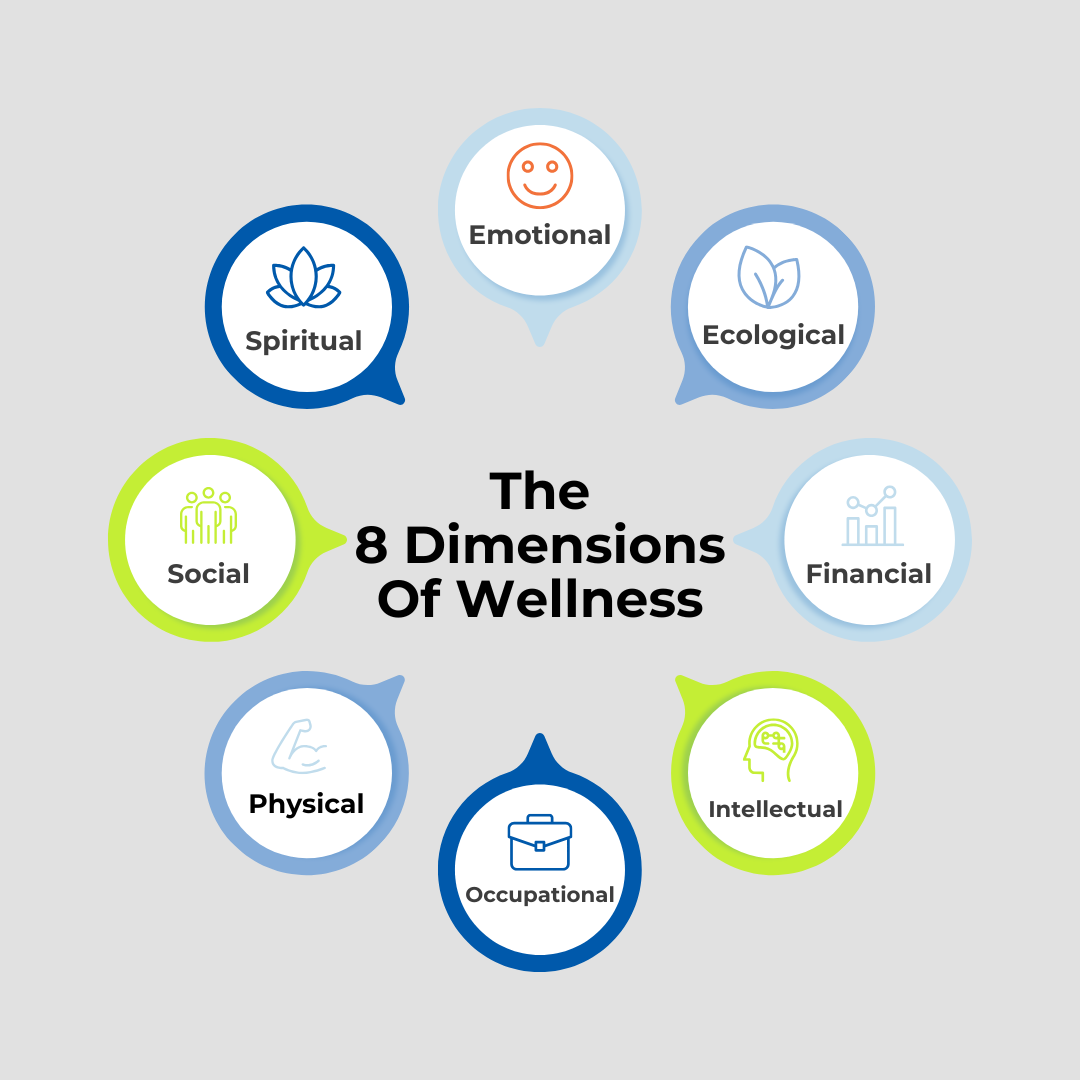
Daily Health Tips for a Balanced Life
Long-Term Benefits of Following Daily Health Tips
Daily health tips may seem small, but when practiced consistently, they create powerful long-term benefits. Over time, balanced daily habits improve immunity, stabilize energy levels, enhance mental clarity, and reduce the risk of chronic diseases. The body thrives on predictability, and daily routines allow internal systems to function efficiently without constant stress.
Advanced health & wellness research confirms that individuals who follow simple daily health practices experience better metabolic balance, improved emotional resilience, and faster recovery from illness. Health becomes stable rather than fragile when daily habits support the body’s natural rhythms.
A balanced life is built gradually, not suddenly.
Healthy Aging Through Daily Health Habits
Healthy aging is one of the most important outcomes of consistent daily health tips. Aging well is not about avoiding age—it is about preserving mobility, cognitive function, emotional balance, and independence over time.
Daily movement maintains muscle strength and joint flexibility. Balanced nutrition supports bone density and brain health. Quality sleep protects memory and emotional regulation. Stress management reduces cardiovascular risk, while hydration supports circulation and digestion.
When daily health habits are maintained, aging becomes a process of maintaining function and vitality rather than managing decline.
Mental and Emotional Resilience for Lifelong Balance
Mental and emotional resilience are essential for sustaining a balanced life. Chronic stress, unresolved emotions, and constant pressure disrupt sleep, digestion, immunity, and hormonal balance.
Daily practices such as mindfulness, emotional awareness, self-compassion, and mental rest help regulate the nervous system. A calm nervous system allows the body to repair, recover, and adapt.
Emotional balance is not about avoiding feelings—it is about processing them in a healthy way.
Lifestyle Balance in a Fast-Paced World
Modern life often challenges balance through long work hours, digital overload, and constant stimulation. Daily health tips help counteract these pressures by restoring rhythm and structure.
Simple habits such as consistent sleep schedules, regular meals, walking breaks, hydration reminders, and screen-free moments support internal balance. A balanced life adapts to modern demands without sacrificing health.
Wellness should support life—not compete with it.
Social and Environmental Factors in Daily Health
Health is influenced by more than individual habits. Social connections, work environments, and living spaces affect stress levels, mood, and overall well-being.
Supportive relationships reduce stress hormones and increase emotional stability. Clean, organized, and nature-connected environments support calmness and recovery. Daily exposure to natural light and fresh air improves sleep and mental clarity.
A balanced life is easier to maintain in supportive environments.
Daily Prevention: Protecting Health Before Illness
Prevention is one of the most powerful daily health tips. Early signs such as fatigue, poor sleep, digestive discomfort, mood changes, or recurring tension are messages from the body that should not be ignored.
Addressing these signs early through lifestyle adjustments prevents long-term health issues. Global health authorities consistently emphasize prevention as the foundation of wellness. For evidence-based guidance on preventive health and healthy living, refer to the World Health Organization:
👉 https://www.who.int/ (external dofollow link)
Learning Daily Health From Reliable Sources
Reliable information is essential for maintaining balance and avoiding misinformation. Learning how daily habits affect health empowers informed decision-making.
For practical guidance on holistic wellness, preventive health, and sustainable daily habits, explore:
👉 https://javahealth.blog/ (intenal link)
Daily Health Tips for a Balanced Life – Long & Detailed FAQs
1. What are daily health tips and why are they important?
Daily health tips are small, consistent lifestyle practices that support physical, mental, and emotional well-being. They are important because the body responds better to regular care than occasional effort. Daily habits reduce stress on the body, stabilize internal systems, and support long-term health more effectively than short-term health plans.
2. How do daily health tips help create a balanced life?
Daily health tips create balance by aligning everyday routines with the body’s natural rhythms. Regular sleep, meals, movement, hydration, and mental rest allow the body to recover and function efficiently. Balance reduces burnout, improves energy, and supports emotional stability.
3. Can small daily habits really make a big difference?
Yes. Small daily habits accumulate over time and create significant health benefits. Consistent sleep, hydration, gentle movement, and stress management strengthen immunity, metabolism, and mental clarity. The impact of daily habits grows steadily, even when changes seem small at first.
4. How much time do daily health habits require?
Most daily health habits require minimal time. Simple practices such as drinking water, taking short walks, maintaining sleep schedules, and practicing brief relaxation techniques can be integrated into daily routines without major lifestyle changes.
5. Is daily health more important than occasional intense efforts?
Yes. Daily consistency is more effective than occasional intensity. Extreme diets or workouts followed briefly often lead to burnout. Daily health tips support sustainable wellness and long-term balance.
6. How does daily nutrition support a balanced life?
Daily nutrition provides the body with consistent energy and essential nutrients. Regular meals, whole foods, and mindful eating stabilize blood sugar, support digestion, and reduce inflammation. Balanced nutrition improves both physical and mental well-being.
7. Why is sleep considered a daily health priority?
Sleep supports tissue repair, hormone regulation, immune strength, and brain function. Poor sleep disrupts other health habits and increases disease risk. Daily sleep routines help maintain physical and emotional balance.
8. How does daily movement improve overall health?
Daily movement improves circulation, joint health, muscle strength, and mood. It reduces stress hormones and supports mental clarity. Movement does not need to be intense to be effective—consistency matters more than intensity.
9. How does stress affect daily health balance?
Chronic stress disrupts digestion, sleep, immunity, and emotional stability. Daily stress management practices help regulate the nervous system and protect long-term health. Stress awareness and recovery are essential for balance.
10. Can daily health tips help with mental clarity and focus?
Yes. Proper hydration, sleep, movement, and stress management improve brain function, concentration, and decision-making. Mental clarity improves when daily habits support the nervous system.
11. Are daily health tips suitable for all ages?
Yes. Daily health tips are adaptable for children, adults, and older individuals. The principles remain the same, but intensity and routine can be adjusted based on age and health needs.
12. Can people with medical conditions follow daily health tips?
Yes. Daily health tips complement medical care and improve quality of life. Gentle movement, stress reduction, balanced nutrition, and sleep support recovery and symptom management.
13. How do emotions affect daily health?
Emotions influence breathing, posture, digestion, and immunity. Suppressed emotions increase internal stress, while emotional awareness supports balance and resilience. Daily emotional check-ins help protect physical health.
14. How do routines support daily health balance?
Routines reduce decision fatigue and stabilize biological rhythms. Regular sleep, meals, movement, and rest help the body function efficiently and maintain balance.
15. Is daily prevention really effective?
Yes. Addressing early signs such as fatigue, poor sleep, or digestive discomfort prevents long-term health problems. Prevention is the most effective long-term health strategy.
16. How long does it take to notice results from daily health tips?
Some improvements, such as better energy or sleep, may appear within weeks. Long-term benefits such as improved immunity and emotional stability develop over months.
17. What is the biggest mistake people make with daily health habits?
The biggest mistake is expecting instant results or aiming for perfection. Sustainable progress comes from consistency, not extremes.
18. Are daily health tips expensive to follow?
No. Most daily health habits—sleep, walking, hydration, stress management—are low-cost or free. Preventive health reduces long-term medical expenses.
19. Where can I find reliable information about daily health?
Reliable information comes from evidence-based sources. For global guidance on preventive health and wellness, refer to the World Health Organization:
👉 https://www.who.int/ (external dofollow link)
For practical and easy-to-understand wellness guidance, visit:
👉 https://javahealth.blog/ (internal link)
20. What is the ultimate goal of daily health tips?
The ultimate goal is to create a balanced, resilient, and sustainable lifestyle. Daily health tips help individuals maintain energy, prevent disease, and improve quality of life over the long term.
Conclusion:
Daily health tips are not quick fixes or temporary solutions—they are small, consistent practices that shape long-term well-being. A balanced life is built through everyday habits that support the body’s natural rhythms, protect mental clarity, and maintain emotional stability. When health is approached as a daily responsibility rather than an occasional goal, it becomes sustainable and resilient.
This guide has shown that balance comes from aligning nutrition, hydration, sleep, movement, stress management, emotional awareness, and preventive care into everyday life. None of these elements work effectively in isolation. Together, they create a stable foundation that allows the body to recover, adapt, and function efficiently over time.
Consistency matters more than intensity. Simple habits practiced daily—such as regular sleep, mindful eating, gentle movement, and stress recovery—produce greater long-term benefits than extreme routines followed briefly. Prevention, not reaction, is the key to protecting health and avoiding lifestyle-related diseases.
Mental and emotional well-being are equally important. Managing stress, maintaining supportive relationships, and creating healthy environments strengthen the impact of physical health habits. When the mind feels calm and supported, the body responds with improved energy, immunity, and balance.
For continued learning on holistic wellness, preventive health, and sustainable daily lifestyle practices, explore trusted resources at:
👉 https://javahealth.blog/ (internal link)
For globally recognized, evidence-based guidance on health promotion and disease prevention, refer to the World Health Organization:
👉 https://www.who.int/ (external dofollow link)
Ultimately, daily health tips are not about doing more—they are about living better, every day. When healthy choices become part of daily life, balance becomes natural, health becomes stable, and well-being becomes a lifelong asset.