Table of Contents
Introduction: Why Winter Health Requires an Advanced Approach
Winter is more than just a seasonal change; it is a physiological and psychological stress test for the human body. Shorter daylight hours, cold temperatures, reduced physical activity, and increased exposure to viruses collectively challenge immunity, metabolism, mental balance, and overall vitality. While basic advice such as “drink warm fluids” or “wear layers” is useful, modern wellness demands a deeper, more strategic approach to winter health.
This advanced winter health guide is designed for individuals who want to move beyond surface-level tips and adopt evidence-based, sustainable wellness practices. From immune modulation and circadian rhythm alignment to cold-season nutrition and mental resilience, this blog explores winter health from a holistic and scientific perspective. The goal is not just to survive winter, but to thrive during it.
Throughout this guide, winter health tips are integrated naturally with advanced health and wellness topics, ensuring the content remains practical, actionable, and future-focused. For readers interested in in-depth wellness content and digital health strategies, you can explore additional resources on https://rankifycontent.com/ for internal learning and advanced health-related insights.
Understanding the Impact of Winter on the Human Body
Winter alters how the body functions at multiple levels. Reduced sunlight affects vitamin D synthesis, which plays a crucial role in immune regulation, bone health, and mood stability. Cold weather causes blood vessels to constrict, which can elevate blood pressure and reduce oxygen delivery to peripheral tissues. Metabolism may slow due to reduced activity, while cravings for calorie-dense foods increase.
The immune system also behaves differently during winter. Viral infections such as influenza and respiratory illnesses spread more easily due to indoor crowding and lower humidity levels. Additionally, dry air can compromise the mucosal barriers in the nose and throat, making it easier for pathogens to enter the body.
Understanding these seasonal shifts is the foundation of effective winter health management. Instead of reacting to illness or fatigue, proactive winter wellness focuses on strengthening the body’s adaptive capacity before problems arise.
Strengthening Immunity During Winter: Beyond Supplements
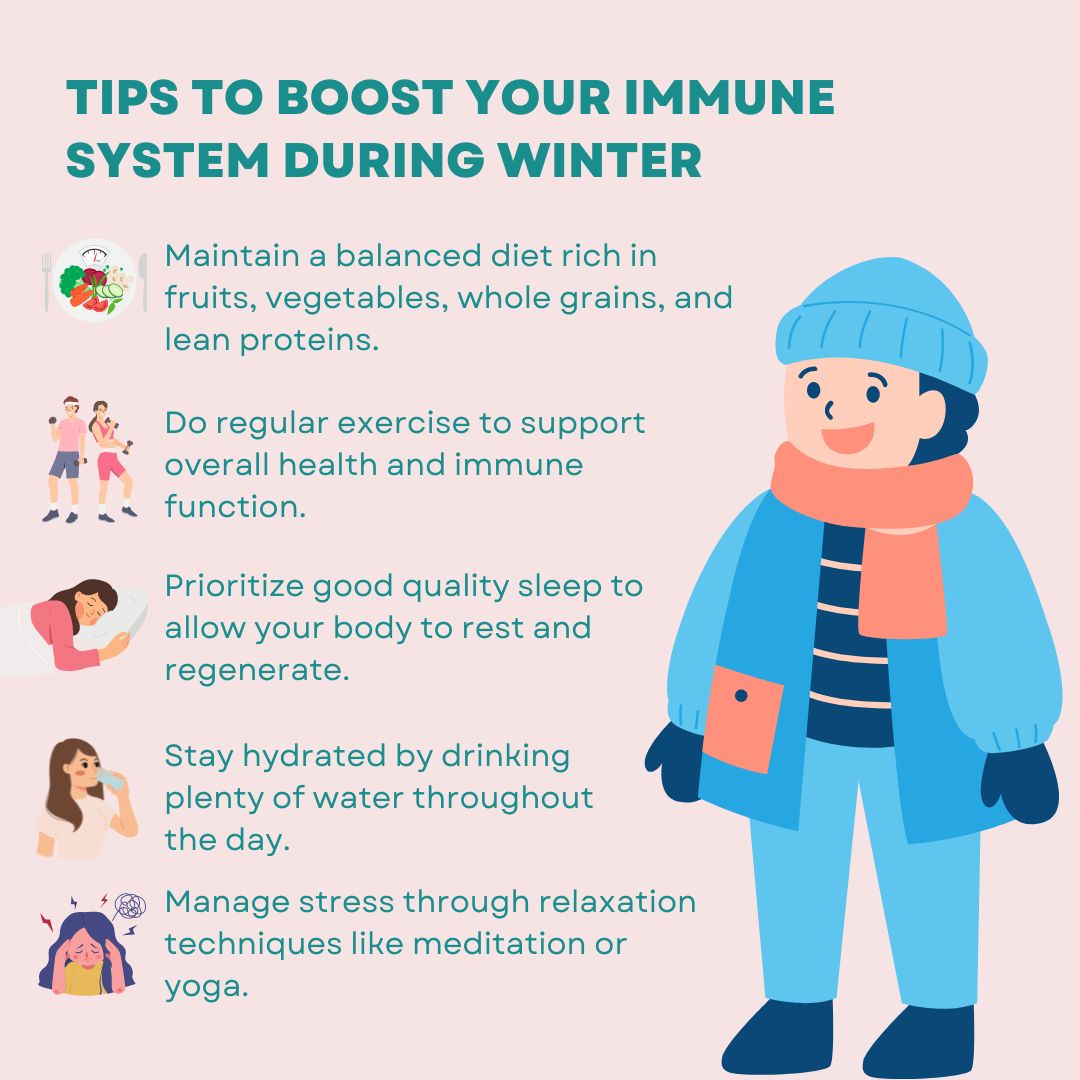
Immune health is the cornerstone of winter wellness, but it is often misunderstood. While supplements can be helpful, immunity is primarily influenced by lifestyle, nutrition, sleep, and stress regulation.
A diverse, nutrient-rich diet is essential. Winter foods such as root vegetables, leafy greens, legumes, nuts, seeds, and seasonal fruits provide antioxidants, fiber, and micronutrients that support immune cell function. Zinc, selenium, iron, and vitamin C play a critical role in immune defense, but their absorption is maximized when consumed through whole foods rather than isolated pills.
Sleep is another non-negotiable factor. During winter, the body naturally craves more rest due to longer nights. Respecting this biological rhythm by maintaining consistent sleep schedules strengthens immune memory and reduces inflammation. Chronic sleep deprivation, even by one or two hours, significantly weakens immune response.
Stress management is equally vital. Psychological stress increases cortisol levels, which suppress immune activity over time. Mindfulness practices, controlled breathing, and light physical activity help regulate the nervous system and enhance immune resilience.
For scientifically validated immune health information, readers may refer to external research and guidelines available at https://www.who.int/, a globally trusted and authoritative source.
Winter Nutrition: Eating for Warmth, Energy, and Longevity
Nutrition in winter should focus on warmth, nourishment, and metabolic balance rather than restriction. The body naturally seeks more energy during cold months, but the quality of calories matters more than quantity.
Warm, cooked meals are easier to digest and help maintain core body temperature. Soups, stews, and slow-cooked dishes made with vegetables, whole grains, and lean proteins provide sustained energy and stabilize blood sugar levels. Healthy fats such as olive oil, ghee, avocados, and nuts support hormonal health and reduce inflammation.
Protein intake is particularly important during winter to preserve muscle mass and support immune cell production. Plant-based proteins like lentils, chickpeas, and beans, along with eggs, fish, and lean meats, should be included regularly.
Hydration is often overlooked in winter. Cold weather reduces thirst signals, but the body still loses water through respiration and dry indoor air. Herbal teas, warm water, and broths are effective ways to maintain hydration without relying solely on cold beverages.
Advanced winter nutrition is not about dieting; it is about strategic nourishment that supports immunity, mental clarity, and long-term health.
Vitamin D and Sunlight: Managing Seasonal Deficiency
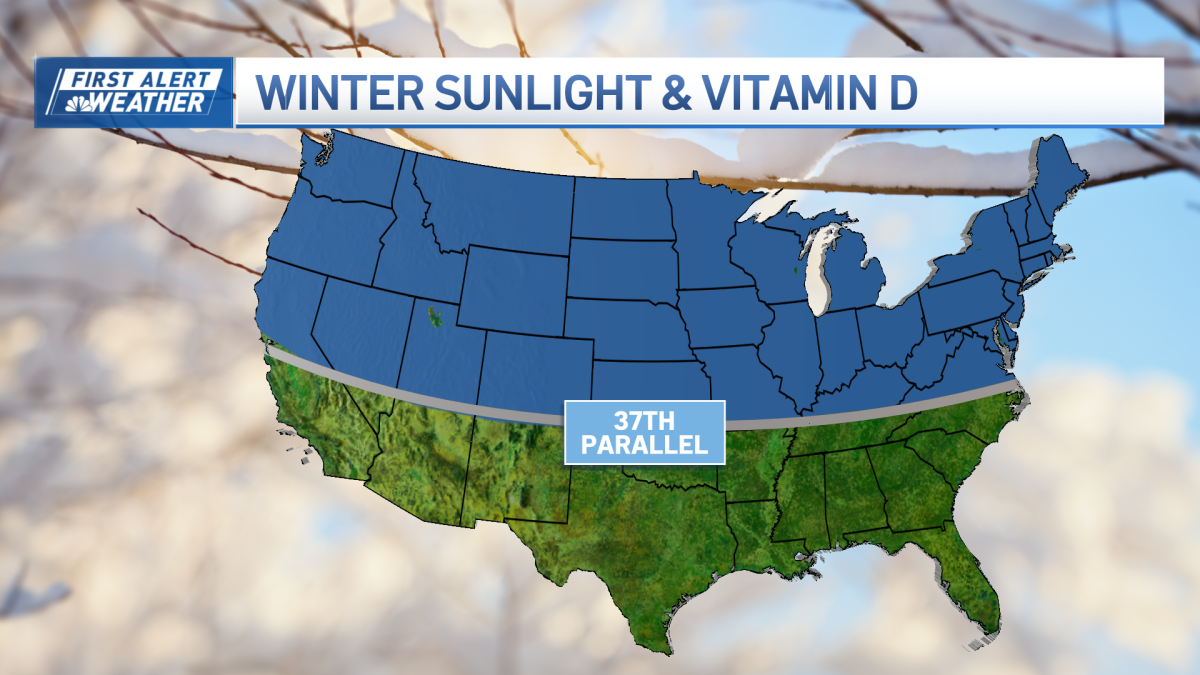
Vitamin D deficiency is one of the most common winter-related health issues worldwide. Limited sunlight exposure reduces the skin’s ability to synthesize vitamin D, which affects bone density, immune regulation, and mood stability.
Regular daylight exposure, even during winter, is essential. Spending 20–30 minutes outdoors during daylight hours can significantly improve circadian alignment and vitamin D levels. When sunlight exposure is insufficient, dietary sources such as fatty fish, egg yolks, and fortified foods become important.
Supplementation may be necessary for individuals at high risk of deficiency, but it should be guided by medical advice. Balanced vitamin D levels contribute not only to physical health but also to emotional resilience during darker months.
Mental Health and Emotional Balance in Winter
Winter can be emotionally challenging due to reduced sunlight, social isolation, and disrupted routines. Seasonal mood changes range from mild fatigue to more severe conditions such as seasonal affective disorder.
Mental wellness during winter requires intentional strategies. Maintaining a structured daily routine helps regulate the body’s internal clock and provides psychological stability. Exposure to natural light early in the day supports serotonin production and improves mood.
Physical movement, even in small amounts, has profound mental health benefits. Indoor workouts, yoga, stretching, and bodyweight exercises stimulate endorphin release and reduce stress. Social connection, whether through family interactions or virtual communication, plays a critical role in emotional resilience.
Mindfulness practices such as meditation, journaling, and gratitude exercises help counter negative thought patterns and promote mental clarity. Winter is an ideal time to cultivate inner balance and self-awareness.
Exercise and Physical Activity in Cold Weather
Cold weather often discourages outdoor activity, leading to sedentary habits. However, physical activity is essential for circulation, immune function, and mental health during winter.
Indoor exercise routines provide flexibility and consistency. Strength training helps maintain muscle mass and metabolic rate, while low-impact cardio improves cardiovascular health. Even simple practices such as walking indoors, stretching, or mobility exercises can make a significant difference.
For those who enjoy outdoor activity, proper clothing and warm-up routines reduce the risk of injury. Cold-weather exercise enhances lung capacity and boosts mood when done safely.
The key is consistency rather than intensity. Short, regular movement sessions are more beneficial than occasional intense workouts.
Skin, Hair, and Respiratory Care in Winter
Winter air is dry, both outdoors and indoors, which affects skin, hair, and respiratory health. Moisture loss can lead to irritation, itching, and increased vulnerability to infections.
Skin care during winter should focus on hydration and barrier protection. Using gentle cleansers, thicker moisturizers, and avoiding excessive hot showers helps preserve the skin’s natural oils. Lip care and hand protection are especially important due to constant exposure.
Hair health can be maintained by reducing heat styling, using nourishing oils, and protecting hair from cold air. Respiratory health benefits from maintaining indoor humidity levels and staying hydrated to keep mucosal membranes moist.
These small but consistent practices contribute to overall comfort and health throughout the winter season.
Sleep Optimization and Circadian Rhythm Alignment
Sleep quality often changes during winter due to altered light exposure and lifestyle habits. Aligning sleep patterns with natural circadian rhythms is essential for hormonal balance, immune strength, and mental clarity.
Maintaining consistent sleep and wake times helps regulate the internal clock. Reducing screen exposure before bedtime and creating a warm, comfortable sleep environment supports deeper rest.
Winter is a natural period for restorative sleep. Embracing this seasonal rhythm rather than resisting it enhances energy levels and long-term wellness.
Preventive Health and Medical Awareness
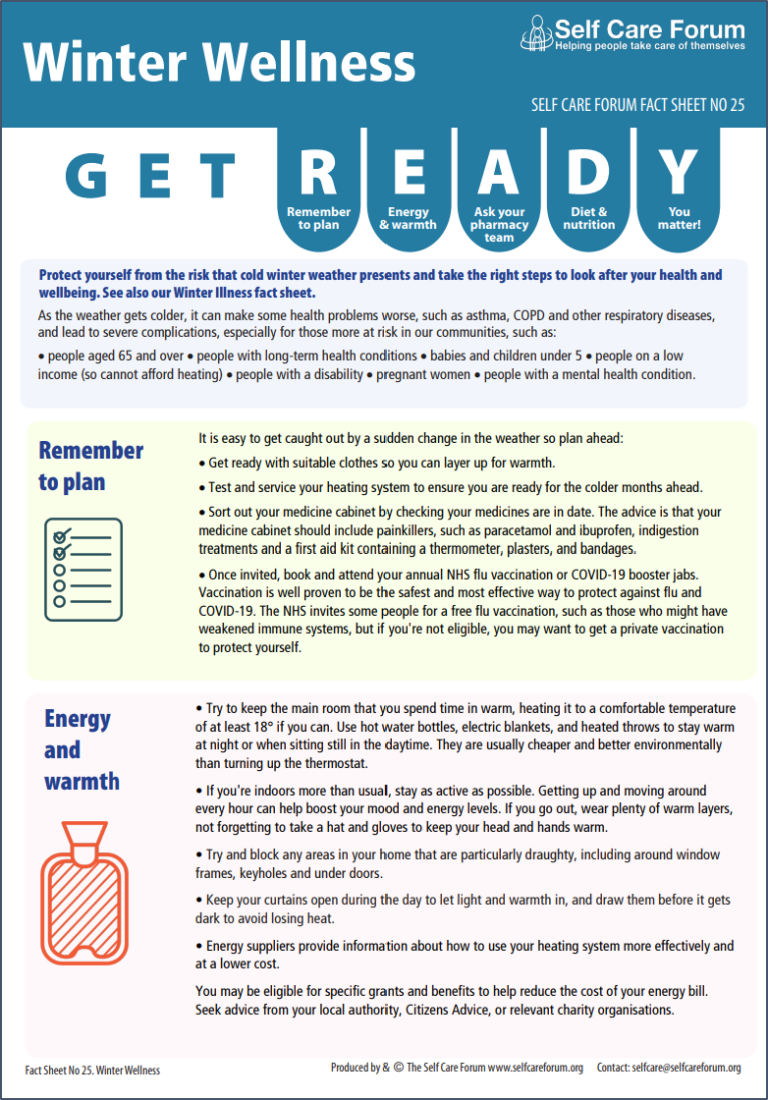
Winter is an ideal time for preventive health measures. Regular health checkups, vaccination updates, and monitoring of chronic conditions reduce the risk of complications during colder months.
Awareness of early symptoms of illness allows for timely intervention. Preventive care is not just about avoiding disease; it is about maintaining functional health and quality of life.
Reliable external health guidance and preventive strategies can also be explored through authoritative sources such as https://www.cdc.gov/, which provides evidence-based public health information.
Holistic Winter Wellness: Integrating Mind, Body, and Environment
True winter health is holistic. It integrates physical care, mental balance, emotional resilience, and environmental awareness. Adjusting lifestyle habits to seasonal needs reflects a mature and sustainable approach to wellness.
Creating a warm, organized living space, maintaining healthy routines, and prioritizing self-care rituals contribute to a sense of stability and comfort. Winter can be a season of reflection, growth, and renewal when approached intentionally.
Advanced wellness is not about perfection but about adaptability. Listening to the body’s signals and responding with compassion leads to lasting health benefits.


Advanced Nutrition, Mental Resilience, Physical Activity & Preventive Care
Advanced Winter Nutrition: Fueling the Body in Cold Seasons
Winter nutrition is not simply about eating more food; it is about eating smarter food that aligns with the body’s seasonal needs. During winter, digestion slows slightly, appetite patterns change, and the body prioritizes warmth and immune defense. An advanced winter health strategy respects these natural shifts instead of fighting them.
Warm, cooked foods play a central role in winter wellness. From a physiological perspective, warm meals reduce digestive stress and help maintain core temperature, allowing the body to allocate more energy toward immune protection and tissue repair. Foods such as lentils, beans, oats, brown rice, quinoa, seasonal vegetables, and slow-cooked meals support steady energy levels and prevent blood sugar fluctuations.
Micronutrient density becomes especially important in winter. Iron supports oxygen transport, zinc enhances immune response, magnesium helps regulate stress and sleep, and vitamin C supports tissue repair and antioxidant defense. Instead of relying on isolated supplements, combining vegetables, fruits, whole grains, and healthy fats creates synergistic nutrient absorption.
Healthy fats deserve special attention in cold months. Omega-3 fatty acids found in fish, flaxseeds, and walnuts help regulate inflammation, support brain function, and stabilize mood. Traditional winter diets across cultures often include higher fat content for a reason: fats provide long-lasting energy and thermal support.
Hydration must remain a priority even when thirst cues decrease. Warm water, herbal teas, soups, and broths are excellent ways to stay hydrated while supporting digestion and respiratory health. Dehydration in winter often goes unnoticed but can contribute to fatigue, dry skin, and weakened immunity.
Vitamin D, Light Exposure, and Hormonal Balance
One of the most underestimated winter health challenges is reduced light exposure. Shorter days and limited sunlight disrupt the body’s circadian rhythm, which influences sleep, mood, metabolism, and immune regulation. Vitamin D deficiency becomes more common, especially in urban lifestyles where outdoor exposure is minimal.
Natural daylight exposure in the morning helps reset the internal clock and improve alertness throughout the day. Even on cloudy days, outdoor light intensity is significantly higher than indoor lighting. Spending time near windows, balconies, or open spaces during daylight hours supports hormonal balance and mental clarity.
Dietary sources of vitamin D, such as fatty fish, egg yolks, and fortified foods, become increasingly important during winter. In cases where deficiency is common, supplementation may be necessary under professional guidance. Maintaining adequate vitamin D levels supports not only bone health but also emotional stability and immune resilience.
Light exposure also influences melatonin production, which regulates sleep cycles. Poor light hygiene—such as excessive screen time at night—can worsen winter fatigue and insomnia. Creating a light-balanced daily routine is a powerful yet often overlooked winter wellness strategy.
Mental Health and Emotional Resilience in Winter
Winter health is incomplete without addressing mental and emotional well-being. Reduced sunlight, colder weather, and social isolation can subtly affect mood, motivation, and cognitive performance. These changes do not indicate weakness; they reflect natural biological responses to environmental shifts.
Maintaining structure during winter is one of the most effective mental wellness tools. Regular wake-up times, consistent meal schedules, and planned activities help stabilize the nervous system. Predictability provides psychological safety, especially during darker months.
Mindfulness practices become particularly valuable in winter. Meditation, breathing exercises, and journaling help regulate stress hormones and improve emotional awareness. Even a few minutes of conscious breathing daily can lower anxiety and enhance focus.
Social connection is another pillar of winter mental health. Meaningful conversations, family interactions, and community engagement—whether in person or virtual—reduce feelings of isolation. Emotional warmth is just as important as physical warmth during winter.
Creative activities such as reading, writing, art, or learning new skills also contribute to mental resilience. Winter offers an opportunity to slow down, reflect, and invest in personal growth without external pressure.
Physical Activity: Staying Strong and Active Indoors
Cold weather often leads to reduced physical activity, but movement remains essential for circulation, immunity, and mental health. The goal of winter exercise is not extreme performance but consistency and balance.
Indoor workouts provide flexibility and safety. Strength training helps preserve muscle mass and metabolic rate, which naturally decline with inactivity. Bodyweight exercises, resistance bands, or light weights are effective tools for maintaining physical strength at home.
Low-impact cardio such as marching in place, indoor cycling, or simple aerobic routines improves heart health and boosts mood. Stretching and mobility exercises reduce stiffness caused by cold temperatures and prolonged sitting.
For individuals who enjoy outdoor activity, proper preparation is key. Layered clothing, adequate warm-up, and hydration reduce injury risk and enhance comfort. Cold-weather walks, when done safely, provide fresh air and mental clarity.
The most important principle is regular movement. Even 20–30 minutes of daily activity significantly improves immune function, sleep quality, and emotional balance during winter.
Sleep Optimization During Winter Months
Sleep patterns often shift in winter due to longer nights and reduced daylight. Instead of resisting this natural rhythm, advanced winter wellness embraces restorative rest.
Consistent sleep schedules help regulate circadian rhythms and improve sleep quality. Going to bed and waking up at the same time daily strengthens hormonal balance and energy regulation.
The sleep environment also matters. A slightly cooler but comfortable bedroom, minimal noise, and low light exposure promote deeper sleep. Reducing screen time before bed supports natural melatonin release and improves sleep onset.
Quality sleep enhances immune memory, emotional regulation, and cognitive performance. In winter, prioritizing rest is not laziness; it is a strategic investment in long-term health.
Skin, Hair, and Respiratory Health in Cold Weather
Dry winter air affects external and internal tissues alike. Skin loses moisture faster, hair becomes brittle, and respiratory passages dry out, increasing susceptibility to irritation and infection.
Skincare routines should focus on hydration and barrier protection. Gentle cleansing, thicker moisturizers, and avoiding excessive hot water help maintain skin integrity. Lip and hand care are especially important due to constant exposure.
Hair health benefits from reduced heat styling, protective oils, and minimizing harsh chemical treatments during winter. Covering hair outdoors protects it from cold wind and moisture loss.
Respiratory health can be supported by maintaining indoor humidity, staying hydrated, and practicing nasal care when needed. Moist air helps preserve mucosal defenses that act as the body’s first line of protection against pathogens.
Preventive Health and Winter Awareness
Winter is an ideal season for preventive health strategies. Regular health checkups, monitoring chronic conditions, and updating vaccinations reduce the risk of complications during colder months.
Listening to early signs of fatigue, mood changes, or recurring illness allows for timely adjustments in lifestyle or medical care. Preventive awareness transforms winter from a reactive season into a proactive one.
A well-informed approach to winter health empowers individuals to make conscious decisions rather than relying on last-minute solutions. Prevention, consistency, and awareness form the foundation of sustainable wellness.
Holistic Integration: Mind, Body, and Seasonal Living
Advanced winter health is not about isolated habits but integrated living. Nutrition supports immunity, movement enhances mental clarity, sleep restores balance, and emotional care builds resilience. Each element reinforces the others.
Seasonal living encourages alignment with nature rather than constant productivity. Winter invites introspection, rest, and renewal. Embracing this mindset reduces burnout and supports long-term vitality.
By respecting the body’s seasonal needs, winter becomes an opportunity for strengthening health foundations rather than a period of decline.
Long-Term Winter Immunity: Building Health That Lasts Beyond the Season
Advanced winter health is not limited to short-term protection from colds and flu; it is about strengthening the immune system in a way that delivers benefits throughout the year. Long-term immunity is built gradually through consistent lifestyle habits rather than emergency responses.
The immune system thrives on balance. Overtraining, chronic stress, poor sleep, and extreme dieting can weaken immune response just as much as inactivity and overeating. During winter, the focus should be on immune modulation rather than immune stimulation. This means supporting the immune system without forcing it into constant high alert.
Daily routines that include regular meals, stable sleep schedules, moderate physical activity, and stress regulation help immune cells communicate efficiently. Nutritional consistency—rather than sporadic “superfood” consumption—ensures a steady supply of vitamins, minerals, and antioxidants that immune cells require to function optimally.
For deeper insights into lifestyle-based wellness and preventive health strategies, readers can explore internal educational resources available at https://javahealth.blog/, where long-form health and wellness content supports sustainable living approaches.
Preventive Healthcare in Winter: A Proactive Mindset
Winter is one of the most important seasons for preventive healthcare. Cold weather can exacerbate existing conditions such as asthma, arthritis, cardiovascular issues, and metabolic disorders. A proactive approach reduces hospital visits, productivity loss, and long-term health risks.
Routine health monitoring is essential. Blood pressure, blood sugar, vitamin D levels, and cholesterol profiles should be checked regularly, especially for individuals with a family history of chronic disease. Preventive screenings provide clarity and allow early interventions before symptoms become severe.
Vaccination awareness is also part of winter health responsibility. Seasonal flu and respiratory infections place significant strain on healthcare systems every year. Following evidence-based preventive guidelines reduces personal and community-level risk. Trusted global health recommendations can be reviewed through authoritative external sources such as https://www.who.int/ (World Health Organization), which provides updated, science-backed public health guidance.
Preventive healthcare is not about fear; it is about informed decision-making and self-responsibility.
Gut Health and Immunity During Winter
An often-overlooked aspect of winter wellness is gut health. A significant portion of the immune system resides in the gut, making digestive health directly linked to immune resilience.
During winter, dietary patterns often shift toward heavier foods, reduced fiber intake, and irregular meal timing. These changes can disrupt gut microbiota balance, leading to inflammation, poor nutrient absorption, and weakened immune response.
Supporting gut health requires consistent fiber intake from vegetables, fruits, whole grains, and legumes. Fermented foods, when culturally and personally appropriate, help maintain microbial diversity. Warm meals also aid digestion and reduce gastrointestinal stress.
Stable gut health contributes to better mood regulation, reduced cravings, and improved immune signaling—key components of advanced winter wellness.
Cold Weather, Cardiovascular Health, and Circulation
Cold temperatures cause blood vessels to constrict, increasing blood pressure and placing additional strain on the heart. Individuals with cardiovascular concerns must be particularly mindful during winter.
Regular movement helps maintain circulation and prevent stiffness. Even light indoor activity improves blood flow and oxygen delivery. Hydration also plays a role in maintaining blood viscosity and cardiovascular efficiency.
Stress management is critical, as winter-related stress can elevate cortisol levels and negatively affect heart health. Breathing exercises, relaxation techniques, and adequate sleep contribute to cardiovascular stability.
Understanding how winter affects circulation empowers individuals to take preventive steps rather than reacting to health events.
Environmental Wellness: Creating a Healthy Winter Living Space
Winter wellness extends beyond the body into the living environment. Indoor spaces significantly influence respiratory health, sleep quality, and mental clarity during cold months.
Poor ventilation, low humidity, and artificial lighting can contribute to fatigue, dry skin, and respiratory irritation. Maintaining moderate indoor humidity supports mucosal health and reduces the spread of airborne pathogens.
Natural light exposure should be maximized by keeping windows unobstructed and spending time near daylight sources. Indoor plants, warm lighting, and organized spaces enhance emotional comfort and reduce seasonal stress.
A healthy environment supports the body’s natural healing and adaptation processes, making it an essential part of holistic winter care.
Seasonal Productivity and Energy Management
Winter energy levels differ from summer for biological reasons. Expecting the same productivity can lead to burnout and frustration. Advanced wellness involves aligning work and lifestyle expectations with seasonal rhythms.
Shorter, focused work periods combined with adequate rest improve efficiency. Strategic planning, reflection, and skill development are well-suited for winter months, while intense physical or social demands can be moderated.
Listening to the body’s energy signals prevents chronic fatigue and supports sustainable performance across the year.
Winter Health FAQs – In-Depth & Advanced Guide
1. Why does winter weaken the immune system so much?
Winter weakens the immune system due to a combination of environmental, biological, and lifestyle factors. Reduced sunlight leads to lower vitamin D production, which directly affects immune regulation. Cold air dries out nasal passages, weakening the body’s first line of defense against viruses. Additionally, people spend more time indoors during winter, increasing exposure to airborne pathogens. Physical activity often decreases, stress levels rise, and sleep patterns become irregular—all of which collectively suppress immune response. Strengthening immunity in winter requires a holistic approach rather than relying on supplements alone.
2. How can I boost immunity naturally during winter without medication?
Natural immunity boosting in winter focuses on lifestyle consistency. Eating warm, nutrient-dense foods supports digestion and immune cell function. Adequate sleep allows immune memory cells to regenerate, while stress reduction prevents immune suppression caused by excess cortisol. Regular light exercise improves circulation and immune surveillance. Hydration keeps mucosal barriers moist, preventing pathogen entry. These habits, practiced daily, provide stronger and longer-lasting immune protection than quick remedies.
3. Is winter weight gain inevitable, and how can it be prevented?
Winter weight gain is common but not inevitable. Reduced activity, comfort eating, and hormonal shifts contribute to fat storage. Prevention depends on maintaining metabolic balance rather than aggressive dieting. Eating fiber-rich foods, prioritizing protein, and avoiding excessive refined carbohydrates stabilize blood sugar and appetite. Regular movement, even indoors, preserves muscle mass and metabolism. Mindful eating and adequate sleep further regulate hunger hormones, making healthy weight maintenance achievable in winter.
4. Why do people feel more tired and sleepy during winter?
Fatigue in winter is largely linked to circadian rhythm disruption. Shorter daylight hours reduce morning light exposure, which delays wake signals in the brain. Melatonin production may increase, leading to prolonged sleepiness. Reduced physical activity and heavier meals also contribute to low energy levels. Aligning daily routines with daylight, maintaining consistent sleep schedules, and staying active help counter winter fatigue naturally.
5. Can winter affect mental health even if someone isn’t depressed?
Yes, winter can subtly affect mental health even without clinical depression. Lower sunlight reduces serotonin production, impacting mood, motivation, and focus. Social isolation, reduced outdoor exposure, and monotonous routines can increase anxiety or emotional numbness. Addressing these effects early through structure, light exposure, social interaction, and mindfulness prevents deeper mental health challenges from developing.
6. How important is vitamin D during winter months?
Vitamin D is essential in winter because it supports immune function, bone health, mood regulation, and muscle strength. Sunlight is the primary source of vitamin D, but winter limits exposure, increasing deficiency risk. Low vitamin D levels are associated with frequent infections, fatigue, and low mood. Dietary intake and supplementation—when needed—help maintain optimal levels and overall wellness.
7. Are warm foods really better than cold foods in winter?
Warm foods are generally more supportive in winter because they aid digestion, maintain core body temperature, and reduce metabolic stress. Cold foods can slow digestion and increase internal cooling, which may weaken immunity in colder climates. Soups, stews, cooked vegetables, and warm grains provide comfort while enhancing nutrient absorption and energy stability.
8. How does winter impact gut health and digestion?
Winter diets often include heavier, lower-fiber foods, which can disrupt gut microbiota balance. Reduced hydration and physical activity further slow digestion. Since a large portion of the immune system resides in the gut, poor digestive health weakens immunity. Supporting gut health with fiber, warm meals, hydration, and consistent eating patterns improves digestion and immune resilience during winter.
9. Is exercise necessary in winter if I feel low on energy?
Yes, exercise is especially important during winter, even when energy feels low. Physical activity improves circulation, boosts mood-regulating hormones, and strengthens immune defenses. The key is adjusting intensity. Gentle strength training, stretching, yoga, or indoor walking are sufficient to maintain health without exhausting the body. Movement often increases energy rather than depleting it.
10. Why does skin become dry and irritated in winter?
Cold air holds less moisture, and indoor heating further dries the environment. This leads to rapid moisture loss from the skin, damaging its protective barrier. Hot showers worsen the problem by stripping natural oils. Hydration, gentle skincare, and using thicker moisturizers help protect skin integrity and prevent irritation.
11. Can winter increase blood pressure and heart risk?
Yes, cold temperatures cause blood vessels to constrict, which raises blood pressure and increases cardiac workload. Reduced activity and stress further elevate risk. Maintaining warmth, staying active, managing stress, and monitoring cardiovascular health are essential preventive steps, especially for individuals with preexisting conditions.
12. How does indoor air quality affect winter health?
Poor indoor air quality in winter can irritate respiratory passages, worsen allergies, and increase infection risk. Low humidity dries mucous membranes, making it easier for viruses to enter the body. Proper ventilation, moderate humidity, and clean living spaces support respiratory and immune health throughout winter.
13. Is hydration really important in cold weather?
Hydration is just as important in winter as in summer. Cold weather reduces thirst sensation, but the body still loses fluids through breathing and dry air exposure. Dehydration contributes to fatigue, headaches, poor digestion, and weakened immunity. Warm fluids like herbal teas and soups make hydration easier in winter.
14. Why do joint pains worsen during winter?
Cold temperatures reduce blood flow to joints and stiffen surrounding muscles and connective tissue. Inflammatory conditions may flare due to reduced movement and lower circulation. Gentle stretching, warmth, hydration, and regular activity help maintain joint flexibility and comfort.
15. Is winter the best time for preventive health checkups?
Yes, winter is ideal for preventive care. Monitoring vitamin levels, blood pressure, blood sugar, and overall health allows early intervention before issues worsen. Preventive awareness reduces seasonal illness severity and supports long-term health planning.
16. How can families stay healthy together during winter?
Families benefit from shared routines such as regular meal times, group physical activities, proper hygiene practices, and emotional support. Creating a warm, structured environment reduces stress and improves immunity for all age groups.
17. Can winter habits affect long-term health outcomes?
Absolutely. Winter habits influence metabolism, immunity, mental health, and chronic disease risk. Consistent healthy behaviors during winter often determine overall annual health quality.
18. What is the biggest winter health mistake people make?
The biggest mistake is ignoring small daily habits and relying on last-minute remedies. Health is built through consistency, not crisis response. Winter wellness requires proactive care rather than reactive treatment.
19. Is winter a good season for mental and personal growth?
Yes, winter naturally encourages introspection and slower living. This makes it an ideal time for learning, reflection, skill development, and emotional strengthening when approached intentionally.
20. How can winter become a season of strength instead of sickness?
By aligning lifestyle choices with seasonal needs—balanced nutrition, regular movement, emotional care, preventive awareness, and adequate rest—winter transforms from a health challenge into a foundation-building season for long-term vitality.
Conclusion:
Winter does not have to be a season defined by illness, fatigue, or low motivation. When approached with awareness and intention, it becomes a powerful period for strengthening the body, stabilizing the mind, and resetting long-term health foundations. Advanced winter wellness is not about extreme routines or quick fixes; it is about aligning daily habits with the natural rhythms of the season.
By prioritizing immune resilience through balanced nutrition, consistent sleep, regular movement, and stress management, the body gains the capacity to adapt rather than struggle. Mental and emotional well-being improve when light exposure, structured routines, and meaningful social connections are consciously maintained. Preventive care and environmental awareness further reduce seasonal health risks, allowing winter to support restoration instead of depletion.
True winter health is holistic. Every choice—from what we eat and how we move, to how we rest and manage stress—contributes to cumulative resilience. Small, consistent actions practiced throughout the cold months often determine overall health for the entire year.
As explored throughout this guide, winter is not a pause in wellness but a strategic phase of renewal. By embracing seasonal living and proactive care, individuals can emerge from winter stronger, more balanced, and better prepared for the demands of the year ahead. When winter health is approached as an opportunity rather than an obstacle, it becomes a season of lasting growth, vitality, and well-being.