
WellHealth Ayurvedic Health Tips: Advanced Holistic Wellness for Mind, Body & Longevity
Introduction: The Modern Relevance of WellHealth Ayurvedic Wisdom
In an era dominated by fast-paced lifestyles, chronic stress, and lifestyle-related diseases, Ayurveda has re-emerged as a powerful system of preventive and holistic healthcare. WellHealth Ayurvedic health tips are not merely traditional remedies; they represent a scientifically aligned lifestyle framework that emphasizes balance, awareness, and long-term vitality.
Ayurveda views health as a dynamic equilibrium between the body, mind, senses, and environment. Rather than focusing only on symptoms, it addresses root causes through personalized routines, nutrition, herbal support, and mental discipline. This approach makes Ayurvedic wellness highly relevant for modern challenges such as metabolic disorders, digestive issues, anxiety, low immunity, and burnout.
This advanced guide explores Ayurvedic health tips through a WellHealth lens—integrating ancient principles with modern wellness needs. The content is designed for readers seeking sustainable, natural, and evidence-aligned health strategies rather than temporary solutions.
Understanding Ayurveda: The Foundation of Holistic Health
Ayurveda is based on the concept of Doshas—Vata, Pitta, and Kapha—which govern all physiological and psychological processes in the body. Each individual has a unique doshic constitution that determines metabolism, digestion, immunity, mental tendencies, and disease susceptibility.
WellHealth Ayurvedic health tips emphasize understanding one’s dominant dosha and aligning lifestyle habits accordingly. When doshas remain balanced, the body functions optimally. When imbalanced, illness begins at a subtle level long before physical symptoms appear.
This preventive focus is what distinguishes Ayurveda from reactive healthcare models. Health is preserved through daily discipline, seasonal awareness, and mindful living.
Dinacharya: The Ayurvedic Daily Routine for WellHealth
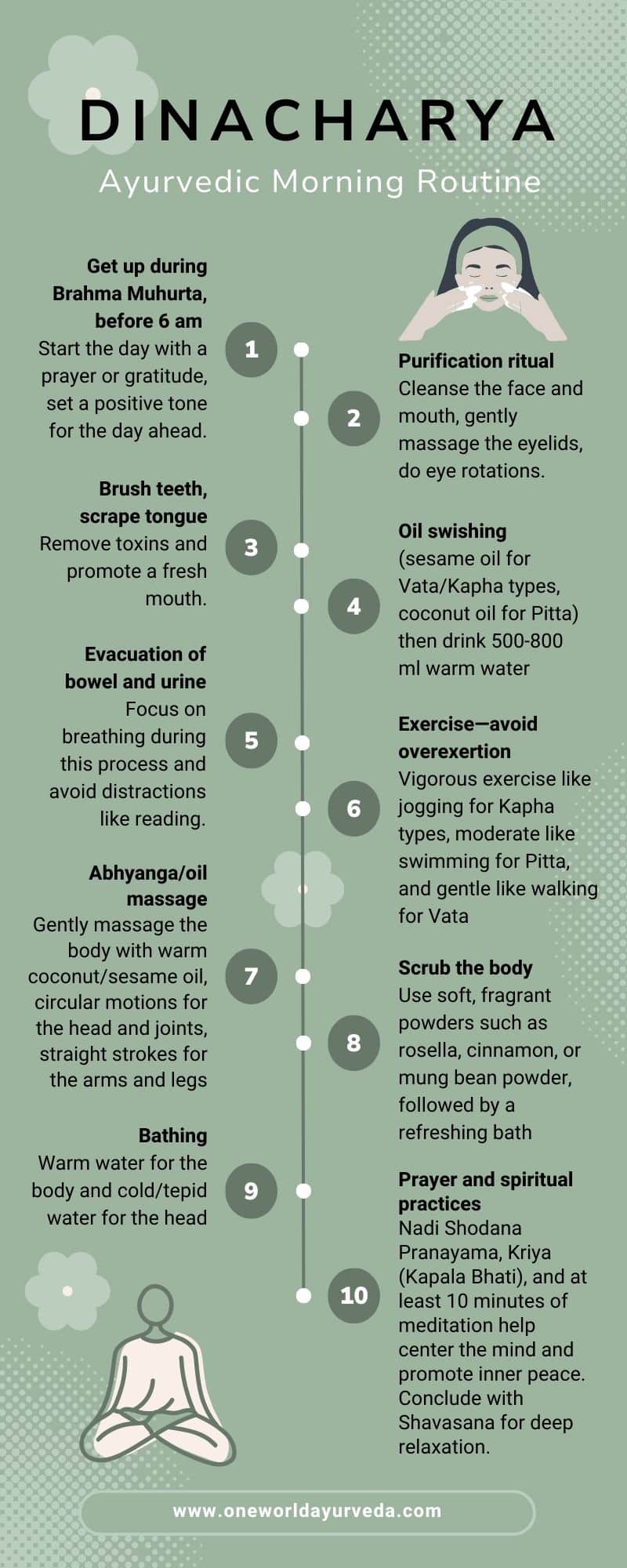
One of the most powerful Ayurvedic practices is Dinacharya, or daily routine. According to Ayurveda, how you start and end your day directly influences digestion, immunity, mental clarity, and hormonal balance.
Waking up early—ideally before sunrise—aligns the body with natural circadian rhythms. Gentle cleansing practices such as warm water intake support digestion and toxin elimination. Oil pulling and tongue scraping improve oral health and reduce microbial load.
Regular meal timing stabilizes digestive fire (Agni), which is central to overall health in Ayurveda. Skipping meals or eating at irregular times weakens digestion and leads to toxin accumulation (Ama).
Daily self-massage using warm herbal oils nourishes the nervous system, improves circulation, and reduces stress hormones. This practice is especially valuable for individuals dealing with anxiety, joint stiffness, or fatigue.
Ayurvedic Nutrition: Eating for Balance, Not Restriction
Ayurvedic nutrition is not about calorie counting or rigid diets. It is about digestibility, compatibility, and timing. WellHealth Ayurvedic health tips encourage eating according to dosha type, season, and digestive capacity.
Warm, freshly prepared meals are preferred over cold or processed foods. Spices such as turmeric, cumin, coriander, ginger, and fennel enhance digestion and reduce inflammation. These spices are not merely flavor enhancers; they are functional medicinal agents in Ayurveda.
Eating mindfully—without distractions—improves nutrient absorption and prevents overeating. Ayurveda also discourages incompatible food combinations that strain digestion, such as dairy with fruits or heavy proteins with sugary foods.
Proper digestion is considered more important than nutritional complexity. Even the healthiest food can become toxic if digestion is weak.
Ayurvedic Herbs for Immunity and Vitality
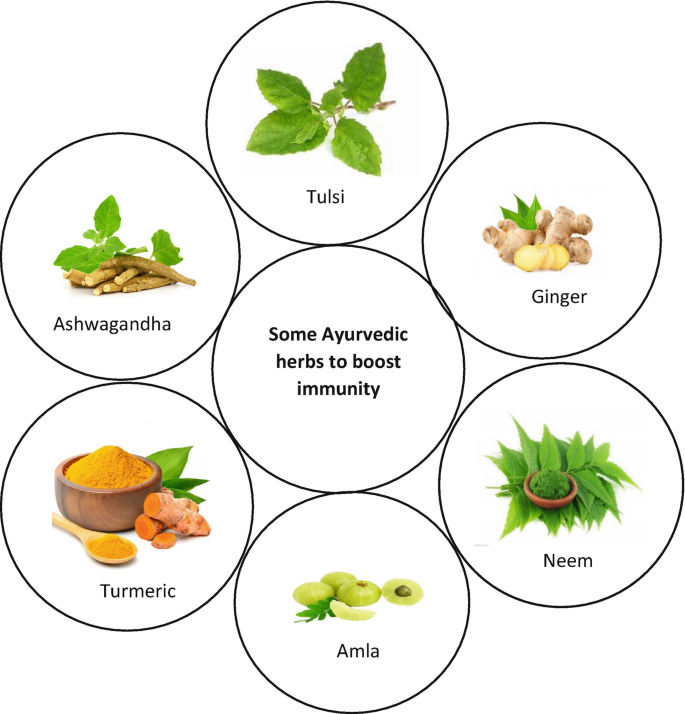
Herbs play a supportive role in Ayurveda, complementing lifestyle and dietary practices. WellHealth Ayurvedic health tips emphasize rasayana herbs, which promote longevity, immunity, and tissue regeneration.
Ashwagandha supports stress resilience and hormonal balance. Tulsi enhances respiratory health and immune defense. Amla provides antioxidant protection and improves digestion. Giloy is widely known for its immune-modulating properties.
Herbal use in Ayurveda is personalized and seasonal. Rather than continuous consumption, herbs are traditionally used strategically to restore balance.
For authoritative and updated information on traditional medicine systems, you can explore external resources from the Ministry of AYUSH, Government of India at
👉 https://www.ayush.gov.in/ (external dofollow link).
Gut Health and Detoxification in Ayurveda
Ayurveda considers digestion the cornerstone of health. Poor digestion leads to toxin accumulation, which eventually manifests as disease. WellHealth Ayurvedic health tips prioritize digestive strength before focusing on complex therapies.
Simple practices such as warm water intake, spice-infused teas, and mindful eating habits strengthen digestive fire. Seasonal detoxification through gentle dietary simplification helps reset metabolism without extreme fasting.
Unlike modern detox trends, Ayurveda promotes gradual cleansing that supports rather than shocks the body. Balanced digestion improves immunity, mental clarity, skin health, and emotional stability.
Mental Health and Emotional Balance Through Ayurveda
Ayurveda recognizes the mind as inseparable from physical health. Emotional stress, unresolved trauma, and chronic anxiety disturb doshic balance and weaken immunity.
Meditation, breath awareness, and grounding routines are integral to Ayurvedic mental wellness. A calm nervous system supports hormonal balance, digestion, and immune function.
Ayurveda also emphasizes Sattvic living, which includes positive thinking, ethical behavior, meaningful relationships, and mental discipline. These subtle factors profoundly influence long-term health outcomes.
Seasonal Living (Ritucharya): Aligning with Nature
Seasonal awareness is a key aspect of WellHealth Ayurvedic health tips. Each season influences doshic balance differently, requiring lifestyle and dietary adjustments.
For example, winter supports strength-building but demands heavier, warming foods. Summer requires cooling practices and hydration. Seasonal alignment reduces disease risk and improves energy stability throughout the year.
Modern lifestyles often ignore seasonal rhythms, leading to chronic imbalance. Ayurveda restores this connection, allowing the body to adapt naturally.
Preventive Health and Longevity Through Ayurveda
Ayurveda is fundamentally preventive. Regular routines, balanced digestion, emotional regulation, and seasonal adaptation reduce disease risk long before symptoms arise.
Longevity in Ayurveda is not about extending lifespan alone but improving healthspan—the number of years lived with vitality, mobility, and clarity. WellHealth Ayurvedic health tips focus on sustainable habits that support graceful aging.
Integrating Ayurveda with Modern Wellness
Ayurveda does not reject modern medicine; it complements it. Diagnostic tools, preventive screenings, and emergency care coexist effectively with Ayurvedic lifestyle practices.
For readers interested in holistic wellness education, preventive care insights, and natural health strategies, explore internal wellness resources at
👉 https://javahealth.blog/ (internal link)
This integration allows individuals to benefit from both ancient wisdom and modern science without conflict.
Ayurvedic Immunity (Ojas): The Core of WellHealth
In Ayurveda, immunity is not measured only by resistance to infections; it is defined by Ojas, the subtle essence of all bodily tissues. Ojas represents vitality, endurance, emotional stability, and disease resistance. WellHealth Ayurvedic health tips place great emphasis on preserving and strengthening Ojas, especially in modern lifestyles where stress, irregular routines, and poor digestion steadily deplete it.
Ojas is built gradually through proper digestion, adequate rest, emotional balance, and nourishing foods. When digestion is weak, even nutritious food fails to convert into Ojas. This is why Ayurveda prioritizes digestive health before recommending immune herbs or tonics. Overexertion, excessive fasting, emotional stress, and lack of sleep are considered major destroyers of immunity.
Daily habits such as warm meals, regular sleep, mindful breathing, and positive mental states are powerful immunity builders. From an Ayurvedic perspective, a calm mind directly strengthens the immune system, while chronic fear, anger, or anxiety weakens it. This mind–body connection makes Ayurvedic immunity deeply holistic.
Strengthening Agni: The Digestive Fire of Health
Digestive fire, known as Agni, is central to all Ayurvedic health principles. Agni governs digestion, metabolism, nutrient absorption, and toxin elimination. When Agni is strong, the body resists disease naturally. When it is weak or irregular, toxins (Ama) accumulate and initiate illness.
WellHealth Ayurvedic health tips encourage simple yet powerful strategies to maintain Agni. Eating freshly prepared food, avoiding overeating, and consuming meals at consistent times stabilize digestion. Drinking warm water throughout the day gently stimulates digestive fire without irritation.
Spices play a therapeutic role in strengthening Agni. Ginger supports sluggish digestion, cumin enhances nutrient absorption, coriander cools excess heat, and fennel reduces bloating. These spices are used not aggressively but intelligently, based on individual constitution and season.
Ayurveda also advises against eating when emotionally disturbed. Stress diverts energy away from digestion, leading to incomplete metabolism and toxin formation. Calm eating habits are therefore considered as important as food quality itself.
Ayurvedic Detox (Ama Removal) Without Extremes
Unlike modern detox trends that rely on extreme fasting or harsh cleansing, Ayurveda promotes gentle and sustainable detoxification. Detox in Ayurveda is not seasonal punishment but supportive cleansing aligned with the body’s capacity.
Ama, or metabolic toxins, form when digestion is weak. Symptoms include fatigue, heaviness, brain fog, coated tongue, bloating, and low immunity. WellHealth Ayurvedic health tips focus on preventing Ama formation rather than aggressively removing it.
Light meals, warm liquids, digestive spices, and short-term dietary simplification help the body eliminate toxins naturally. Adequate sleep and mental relaxation are equally important, as emotional stress slows detoxification pathways.
True detoxification in Ayurveda restores clarity, energy, and digestive strength without leaving the body depleted.
Mental Health Through Ayurveda: Sattva, Rajas, and Tamas
Ayurveda explains mental health through three qualities known as Gunas: Sattva (clarity), Rajas (activity), and Tamas (inertia). Mental well-being is achieved when Sattva predominates.
WellHealth Ayurvedic health tips emphasize increasing Sattva through lifestyle choices. Clean food, positive company, ethical living, and mindfulness practices elevate mental clarity and emotional balance. Excessive stimulation, overwork, and constant digital exposure increase Rajas, leading to anxiety and restlessness. Lack of movement, poor diet, and negativity increase Tamas, resulting in depression and lethargy.
Daily meditation, conscious breathing, and exposure to natural light help stabilize mental energy. Ayurveda views emotional discipline not as suppression but as intelligent awareness of thought patterns.
Mental health is considered preventive medicine in Ayurveda, protecting digestion, immunity, and hormonal balance simultaneously.
Sleep (Nidra): The Forgotten Pillar of WellHealth
Ayurveda identifies Nidra (sleep) as one of the three pillars of life, alongside food and balanced conduct. Inadequate or irregular sleep disturbs doshas, weakens immunity, and accelerates aging.
WellHealth Ayurvedic health tips encourage sleeping early and waking early to align with natural biological rhythms. Late-night activity aggravates Vata and Pitta doshas, leading to anxiety, hormonal imbalance, and digestive issues.
Pre-sleep routines such as oil massage of the feet, limiting screen exposure, and calming the nervous system improve sleep quality naturally. Ayurveda does not view sleep as inactivity but as active restoration of tissues and mental clarity.
Ritucharya: Seasonal Living for Sustainable Health
Seasonal living, known as Ritucharya, is one of Ayurveda’s most advanced preventive health concepts. Each season influences doshic balance, requiring specific adjustments in diet, activity, and mental habits.
Ignoring seasonal changes is a major cause of chronic illness in modern life. WellHealth Ayurvedic health tips encourage adapting food choices, sleep patterns, and activity levels according to climate and environment.
For example, winter supports strength and nourishment but requires warming foods. Summer demands cooling practices and hydration. Seasonal alignment reduces stress on digestion and immunity, preventing disease naturally.
This nature-aligned approach makes Ayurveda timeless and universally relevant.
Ayurveda and Hormonal Balance
Hormonal health in Ayurveda is closely linked to digestion, stress, sleep, and emotional stability. Rather than targeting hormones directly, Ayurveda restores balance at the root level.
Chronic stress disrupts hormonal signaling by overstimulating the nervous system. Poor digestion leads to nutrient deficiencies that impair hormone synthesis. Irregular sleep alters circadian hormone rhythms.
WellHealth Ayurvedic health tips restore hormonal harmony through routine, nourishing food, emotional balance, and nervous system care. This approach supports reproductive health, thyroid function, metabolic balance, and healthy aging.
Preventive Health: Ayurveda as Lifestyle Medicine
Ayurveda is fundamentally a system of lifestyle medicine. Disease prevention is achieved by maintaining balance before symptoms appear. This proactive philosophy aligns perfectly with modern preventive healthcare goals.
Routine self-awareness, seasonal adaptation, and digestion-centered living reduce dependency on reactive treatments. Ayurveda teaches individuals to understand their bodies rather than fear symptoms.
For trusted government-backed Ayurvedic and traditional medicine information, readers can explore
👉 https://www.ayush.gov.in/ (external dofollow link)
Integrating Ayurvedic Wisdom Into Modern Life
Ayurveda does not demand withdrawal from modern life. Instead, it teaches intelligent adaptation. Simple changes—such as mindful eating, daily routine discipline, stress awareness, and seasonal alignment—create profound health shifts over time.
For deeper insights into holistic wellness, preventive health, and natural living strategies, explore internal resources at
👉 https://javahealth.blog/ (internal link)
This integration ensures that Ayurvedic wisdom remains practical, accessible, and relevant for contemporary health challenges.
Dosha-Specific WellHealth Living: Personalized Ayurveda for Modern Life
One of the most advanced and unique aspects of Ayurveda is its personalized health approach. Unlike one-size-fits-all wellness trends, WellHealth Ayurvedic health tips emphasize understanding and balancing your dominant Dosha—Vata, Pitta, or Kapha. Each dosha governs specific physical, mental, and emotional traits, and imbalance leads to disease over time.
Vata Dosha: Stability, Warmth, and Grounding
Vata governs movement, the nervous system, circulation, and creativity. When balanced, Vata supports mental agility and enthusiasm. When aggravated, it leads to anxiety, insomnia, dryness, digestive irregularity, and joint discomfort.
WellHealth Ayurvedic health tips for Vata focus on routine, warmth, and nourishment. Warm cooked foods, healthy fats, regular meal times, and calming practices stabilize Vata. Excessive fasting, cold foods, overwork, and irregular schedules should be avoided. Gentle yoga, meditation, and adequate rest are essential for long-term balance.
Pitta Dosha: Cooling, Moderation, and Emotional Balance
Pitta governs digestion, metabolism, intelligence, and hormonal balance. Balanced Pitta supports focus and leadership. Excess Pitta results in acidity, inflammation, anger, skin issues, and burnout.
Ayurvedic health tips for Pitta emphasize cooling foods, emotional moderation, and stress control. Hydration, seasonal fruits, mindful breathing, and avoiding excessive heat or competition help maintain balance. Overexertion and perfectionism are major Pitta disruptors.
Kapha Dosha: Stimulation, Lightness, and Movement
Kapha governs structure, immunity, endurance, and emotional stability. When balanced, Kapha provides strength and calmness. When aggravated, it causes weight gain, lethargy, congestion, and low motivation.
WellHealth Ayurvedic health tips for Kapha include regular movement, lighter meals, and mental stimulation. Overeating, excessive sleep, and inactivity increase Kapha imbalance. Energizing routines and purposeful activity are essential for Kapha wellness.
Personalized dosha awareness transforms Ayurveda from theory into a practical, lifelong health system.
Rasayana Therapy: Ayurveda’s Science of Longevity
Rasayana is the branch of Ayurveda dedicated to rejuvenation, longevity, and healthy aging. Rather than anti-aging in appearance alone, Rasayana focuses on cellular nourishment, immunity, cognitive health, and emotional resilience.
WellHealth Ayurvedic health tips recommend Rasayana practices only after digestion and lifestyle habits are stable. Rasayana herbs nourish tissues gradually, improving vitality without overstimulation. Practices include proper sleep, calm mental states, nourishing diets, and seasonal discipline.
Longevity in Ayurveda is defined as living longer with strength, clarity, and independence. Rasayana supports graceful aging by slowing degeneration and enhancing repair mechanisms naturally.
For authentic, government-backed guidance on Ayurvedic therapies and Rasayana practices, readers can explore the official Ministry of AYUSH portal:
👉 https://www.ayush.gov.in/ (external dofollow link)
Ayurveda for Preventive Health & Chronic Disease Management
Ayurveda excels in preventive healthcare, especially for lifestyle-related disorders such as diabetes, hypertension, obesity, digestive disorders, and stress-related conditions.
WellHealth Ayurvedic health tips emphasize correcting root causes—poor digestion, chronic stress, irregular routines, and emotional imbalance—before disease progresses. Ayurveda teaches individuals to recognize early imbalance signs rather than waiting for diagnosis.
Chronic disease management in Ayurveda is supportive, not suppressive. Through routine discipline, mindful eating, emotional regulation, and seasonal awareness, the body gradually restores balance.
This proactive model aligns strongly with modern preventive medicine goals while preserving natural healing capacity.
Mind–Body Integration: Ayurveda Beyond Physical Health
Ayurveda never separates physical health from mental and emotional states. Thoughts, emotions, and behaviors directly influence digestion, immunity, and hormonal balance.
WellHealth Ayurvedic health tips promote self-awareness as medicine. Practices such as meditation, ethical living, gratitude, and conscious communication are considered therapeutic. A peaceful mind supports efficient digestion and immune resilience.
This deep integration makes Ayurveda uniquely powerful for modern mental health challenges such as anxiety, burnout, and emotional fatigue.
Modern Lifestyle Integration: Making Ayurveda Practical
Ayurveda is not meant to replace modern life but to refine it. Small, consistent habits produce the greatest transformation. Eating warm meals, respecting sleep cycles, managing stress, and aligning with seasons require no drastic lifestyle changes.
For readers seeking continuous learning on holistic wellness, preventive health, and natural lifestyle strategies, explore in-depth internal resources at:
👉 https://javahealth.blog/ (internal link)
This integration ensures Ayurveda remains practical, adaptable, and sustainable in today’s world.
Dosha-Specific WellHealth Living: Personalized Ayurveda for Modern Life
One of the most advanced and unique aspects of Ayurveda is its personalized health approach. Unlike one-size-fits-all wellness trends, WellHealth Ayurvedic health tips emphasize understanding and balancing your dominant Dosha—Vata, Pitta, or Kapha. Each dosha governs specific physical, mental, and emotional traits, and imbalance leads to disease over time.
Vata Dosha: Stability, Warmth, and Grounding
Vata governs movement, the nervous system, circulation, and creativity. When balanced, Vata supports mental agility and enthusiasm. When aggravated, it leads to anxiety, insomnia, dryness, digestive irregularity, and joint discomfort.
WellHealth Ayurvedic health tips for Vata focus on routine, warmth, and nourishment. Warm cooked foods, healthy fats, regular meal times, and calming practices stabilize Vata. Excessive fasting, cold foods, overwork, and irregular schedules should be avoided. Gentle yoga, meditation, and adequate rest are essential for long-term balance.
Pitta Dosha: Cooling, Moderation, and Emotional Balance
Pitta governs digestion, metabolism, intelligence, and hormonal balance. Balanced Pitta supports focus and leadership. Excess Pitta results in acidity, inflammation, anger, skin issues, and burnout.
Ayurvedic health tips for Pitta emphasize cooling foods, emotional moderation, and stress control. Hydration, seasonal fruits, mindful breathing, and avoiding excessive heat or competition help maintain balance. Overexertion and perfectionism are major Pitta disruptors.
Kapha Dosha: Stimulation, Lightness, and Movement
Kapha governs structure, immunity, endurance, and emotional stability. When balanced, Kapha provides strength and calmness. When aggravated, it causes weight gain, lethargy, congestion, and low motivation.
WellHealth Ayurvedic health tips for Kapha include regular movement, lighter meals, and mental stimulation. Overeating, excessive sleep, and inactivity increase Kapha imbalance. Energizing routines and purposeful activity are essential for Kapha wellness.
Personalized dosha awareness transforms Ayurveda from theory into a practical, lifelong health system.
Rasayana Therapy: Ayurveda’s Science of Longevity
Rasayana is the branch of Ayurveda dedicated to rejuvenation, longevity, and healthy aging. Rather than anti-aging in appearance alone, Rasayana focuses on cellular nourishment, immunity, cognitive health, and emotional resilience.
WellHealth Ayurvedic health tips recommend Rasayana practices only after digestion and lifestyle habits are stable. Rasayana herbs nourish tissues gradually, improving vitality without overstimulation. Practices include proper sleep, calm mental states, nourishing diets, and seasonal discipline.
Longevity in Ayurveda is defined as living longer with strength, clarity, and independence. Rasayana supports graceful aging by slowing degeneration and enhancing repair mechanisms naturally.
For authentic, government-backed guidance on Ayurvedic therapies and Rasayana practices, readers can explore the official Ministry of AYUSH portal:
👉 https://www.ayush.gov.in/ (external dofollow link)
Ayurveda for Preventive Health & Chronic Disease Management
Ayurveda excels in preventive healthcare, especially for lifestyle-related disorders such as diabetes, hypertension, obesity, digestive disorders, and stress-related conditions.
WellHealth Ayurvedic health tips emphasize correcting root causes—poor digestion, chronic stress, irregular routines, and emotional imbalance—before disease progresses. Ayurveda teaches individuals to recognize early imbalance signs rather than waiting for diagnosis.
Chronic disease management in Ayurveda is supportive, not suppressive. Through routine discipline, mindful eating, emotional regulation, and seasonal awareness, the body gradually restores balance.
This proactive model aligns strongly with modern preventive medicine goals while preserving natural healing capacity.
Mind–Body Integration: Ayurveda Beyond Physical Health
Ayurveda never separates physical health from mental and emotional states. Thoughts, emotions, and behaviors directly influence digestion, immunity, and hormonal balance.
WellHealth Ayurvedic health tips promote self-awareness as medicine. Practices such as meditation, ethical living, gratitude, and conscious communication are considered therapeutic. A peaceful mind supports efficient digestion and immune resilience.
This deep integration makes Ayurveda uniquely powerful for modern mental health challenges such as anxiety, burnout, and emotional fatigue.
Modern Lifestyle Integration: Making Ayurveda Practical
Ayurveda is not meant to replace modern life but to refine it. Small, consistent habits produce the greatest transformation. Eating warm meals, respecting sleep cycles, managing stress, and aligning with seasons require no drastic lifestyle changes.
For readers seeking continuous learning on holistic wellness, preventive health, and natural lifestyle strategies, explore in-depth internal resources at:
👉 https://javahealth.blog/ (internal link)
This integration ensures Ayurveda remains practical, adaptable, and sustainable in today’s world.
Personalized Dosha-Based Living: The Core Strength of Ayurveda
One of the most advanced and scientifically aligned principles of Ayurveda is personalization. WellHealth Ayurvedic health tips do not promote a single routine for everyone; instead, they emphasize understanding your dominant Dosha and adjusting lifestyle habits accordingly. This approach recognizes that people respond differently to food, stress, climate, and activity levels.
Ayurveda identifies three primary doshas—Vata, Pitta, and Kapha—which are present in every individual in varying proportions. Health exists when these doshas remain in balance; disease develops when imbalance persists over time. Modern wellness science increasingly supports this idea, acknowledging individual metabolic and psychological differences rather than universal solutions.
Vata Dosha: Creating Stability in a Fast-Paced World
Vata governs movement, nervous system function, respiration, circulation, and creativity. Individuals with dominant Vata energy tend to be imaginative, energetic, and quick-thinking. However, modern lifestyles often aggravate Vata through irregular routines, excessive screen exposure, travel, stress, and lack of rest.
WellHealth Ayurvedic health tips for Vata emphasize grounding and stability. Consistent daily routines are essential. Meals should be warm, nourishing, and consumed at regular times to stabilize digestion. Healthy fats support nervous system balance and prevent dryness, a common Vata imbalance symptom.
Mental health care is especially important for Vata types. Meditation, slow breathing, and limiting overstimulation help calm anxiety and improve sleep. When Vata is balanced, mental clarity, creativity, and resilience naturally improve.
Pitta Dosha: Managing Heat, Intensity, and Burnout
Pitta governs digestion, metabolism, hormonal regulation, and intellectual sharpness. Pitta-dominant individuals are often ambitious, disciplined, and goal-oriented. However, excessive pressure, competition, and perfectionism can easily disturb Pitta balance.
WellHealth Ayurvedic health tips for Pitta focus on cooling, moderation, and emotional balance. Cooling foods, adequate hydration, and stress reduction prevent inflammation and digestive discomfort. Excessive heat exposure—both physical and emotional—should be avoided.
Emotionally, unmanaged Pitta leads to irritability, frustration, and burnout. Practices such as mindful breathing, time in nature, and balanced work schedules help restore calm. When Pitta is balanced, individuals experience strong digestion, focus, and leadership without exhaustion.
Kapha Dosha: Activating Energy and Motivation
Kapha governs structure, immunity, endurance, and emotional stability. Kapha-dominant individuals are naturally calm, compassionate, and resilient. However, sedentary habits, overeating, and excessive comfort can aggravate Kapha, leading to lethargy and weight gain.
WellHealth Ayurvedic health tips for Kapha emphasize movement, stimulation, and lightness. Regular physical activity is non-negotiable for Kapha balance. Meals should be lighter, warm, and easy to digest, avoiding heavy or overly sweet foods.
Mental stimulation is equally important. Kapha imbalance often manifests as emotional stagnation or lack of motivation. Purposeful routines, new challenges, and active engagement restore vitality and enthusiasm.
Rasayana: Ayurveda’s Timeless Science of Longevity
Rasayana therapy is Ayurveda’s advanced approach to healthy aging, rejuvenation, and longevity. Unlike modern anti-aging concepts that focus primarily on appearance, Rasayana targets cellular nourishment, immune strength, cognitive clarity, and emotional stability.
WellHealth Ayurvedic health tips emphasize that Rasayana is effective only when digestion, routine, and mental balance are already stable. Rejuvenation cannot occur in a body overwhelmed by toxins, stress, or irregular habits.
Rasayana practices include nourishing diets, adequate sleep, calm emotional states, and mindful living. These practices support tissue regeneration, slow degeneration, and preserve vitality over time. Longevity in Ayurveda is measured by quality of life rather than years lived.
For authentic and authoritative guidance on Ayurvedic therapies and longevity practices, readers can refer to the official Ministry of AYUSH portal:
👉 https://www.ayush.gov.in/ (external dofollow link)
Ayurveda and Preventive Healthcare: Treating the Root Cause
Ayurveda is fundamentally a preventive healthcare system. It identifies imbalance at an early stage—long before disease manifests—and corrects it through lifestyle adjustments rather than aggressive interventions.
WellHealth Ayurvedic health tips focus on maintaining strong digestion, emotional balance, and routine discipline to prevent chronic conditions such as metabolic disorders, digestive diseases, stress-related illnesses, and immune dysfunction.
Preventive Ayurveda empowers individuals to recognize early warning signs such as fatigue, digestive discomfort, mood instability, or sleep disturbances. Addressing these signals early prevents long-term complications and reduces dependence on reactive treatments.
Mind–Body Harmony: Ayurveda’s Psychological Intelligence
Ayurveda recognizes that mental health is inseparable from physical health. Chronic stress, unresolved emotions, and negative thought patterns disrupt digestion, weaken immunity, and accelerate aging.
WellHealth Ayurvedic health tips promote Sattvic living, which emphasizes clarity, calmness, ethical behavior, and emotional awareness. Meditation, self-reflection, gratitude, and conscious communication are considered essential wellness practices.
By calming the mind, the body’s healing mechanisms function more efficiently. This integrated approach makes Ayurveda particularly effective for modern challenges such as anxiety, burnout, and emotional fatigue.
Integrating Ayurvedic Wisdom Into Modern Life
Ayurveda does not require withdrawal from modern society. Instead, it offers intelligent adaptation. Small, consistent habits—such as warm meals, regular sleep schedules, stress awareness, and seasonal alignment—create profound health improvements over time.
For readers seeking ongoing guidance on holistic wellness, preventive health strategies, and natural living, explore in-depth internal resources at:
👉 https://javahealth.blog/ (internal link)
This integration ensures Ayurvedic wisdom remains practical, evidence-aligned, and sustainable for contemporary lifestyles.
Frequently Asked Questions (FAQs)
1. What makes Ayurvedic health tips different from modern wellness advice?
Ayurvedic health tips differ fundamentally because Ayurveda focuses on root causes rather than symptoms. Modern wellness often treats problems in isolation—such as digestion, immunity, or mental health—while Ayurveda views the body as an interconnected system. According to Ayurveda, poor digestion, chronic stress, irregular routines, and emotional imbalance are the underlying causes of most diseases. WellHealth Ayurvedic health tips aim to restore balance at the foundational level, preventing disease before it manifests and promoting long-term vitality instead of short-term relief.
2. Is Ayurveda scientifically relevant in today’s modern lifestyle?
Yes, Ayurveda is highly relevant today, perhaps more than ever. Many modern health issues—such as lifestyle diseases, stress disorders, poor immunity, and digestive problems—are directly linked to irregular routines and unhealthy habits. Ayurveda addresses these challenges through structured daily routines, mindful nutrition, stress regulation, and seasonal living. While Ayurveda is ancient, its principles align with modern research on circadian rhythm, gut health, preventive medicine, and mind–body science.
3. How does Ayurveda improve immunity naturally?
Ayurveda strengthens immunity by building Ojas, the subtle energy responsible for vitality and resistance to disease. Instead of forcing immunity through stimulants, Ayurveda focuses on strong digestion, quality sleep, emotional balance, and nourishing food. When digestion is efficient, nutrients are properly absorbed and converted into immune strength. Chronic stress, poor sleep, and irregular eating weaken immunity in Ayurveda. WellHealth Ayurvedic health tips therefore treat lifestyle discipline as the most powerful immune booster.
4. Can Ayurvedic health tips help with digestion and gut health?
Digestive health is the center of Ayurveda. The digestive fire, known as Agni, determines how well food is metabolized and toxins are eliminated. Ayurvedic health tips strengthen digestion by encouraging warm meals, proper meal timing, mindful eating, and digestive spices. Poor digestion leads to toxin buildup, which eventually causes disease. Ayurveda restores gut balance naturally, improving energy, immunity, mental clarity, and skin health simultaneously.
5. Is Ayurvedic living suitable for busy professionals?
Absolutely. Ayurveda does not require drastic lifestyle changes or time-consuming rituals. Even small habits—such as eating on time, sleeping consistently, managing stress, and choosing warm foods—create significant health benefits. WellHealth Ayurvedic health tips are adaptable and practical, making them suitable for modern professionals, entrepreneurs, and families who seek sustainable wellness without extreme routines.
6. How does Ayurveda support mental health and emotional balance?
Ayurveda considers mental health inseparable from physical health. Emotional stress disrupts digestion, weakens immunity, and accelerates aging. Ayurvedic health tips promote mental balance through meditation, breathing practices, ethical living, and self-awareness. Ayurveda explains mental health through the balance of clarity, activity, and rest. When the mind is calm, the body heals more efficiently. This holistic approach makes Ayurveda effective for anxiety, burnout, and emotional fatigue.
7. Can Ayurveda help prevent lifestyle diseases like diabetes and hypertension?
Yes. Ayurveda excels in prevention by correcting imbalance before disease progresses. Lifestyle diseases often develop due to poor digestion, chronic stress, irregular routines, and emotional imbalance. WellHealth Ayurvedic health tips restore metabolic balance through mindful eating, daily routine discipline, stress regulation, and seasonal awareness. While Ayurveda does not replace medical treatment, it significantly supports prevention and long-term disease management.
8. Is Ayurveda only about herbs and home remedies?
No. Herbs are only one component of Ayurveda. Lifestyle, routine, digestion, sleep, mental health, and seasonal living are far more important. Herbs are traditionally used to support balance, not replace healthy habits. Without proper digestion and routine, herbs alone cannot deliver lasting benefits. Ayurveda teaches that daily discipline is more powerful than any supplement.
9. How long does it take to see results with Ayurvedic living?
Results depend on consistency and the individual’s starting point. Many people experience improvements in digestion, sleep, and energy within a few weeks. Deeper benefits—such as immunity strengthening, hormonal balance, and emotional stability—develop gradually over months. Ayurveda emphasizes sustainable progress rather than instant transformation.
10. Is Ayurveda safe for long-term practice?
Yes. Ayurveda is designed for lifelong practice because it works in harmony with natural biological rhythms. Unlike extreme diets or aggressive detox methods, Ayurvedic health tips promote balance and moderation. When practiced correctly, Ayurveda strengthens the body rather than exhausting it, making it safe for long-term wellness.
11. Can Ayurveda and modern medicine be used together?
Yes. Ayurveda complements modern medicine effectively. Modern healthcare excels in diagnosis and emergency care, while Ayurveda supports prevention, recovery, and lifestyle correction. Many people use Ayurveda alongside conventional treatments to improve digestion, immunity, mental health, and quality of life. Integration, not replacement, is the most effective approach.
12. Does Ayurveda support healthy aging and longevity?
Ayurveda includes a specialized branch known as Rasayana, which focuses on rejuvenation, longevity, and healthy aging. Rasayana practices nourish tissues, strengthen immunity, preserve cognitive function, and slow degeneration. WellHealth Ayurvedic health tips emphasize graceful aging by improving healthspan—the number of years lived with vitality and independence.
13. How important is sleep in Ayurvedic health?
Sleep is considered one of the three pillars of life in Ayurveda. Poor sleep weakens immunity, digestion, mental clarity, and hormonal balance. Ayurvedic health tips encourage early sleep, calming pre-bed routines, and nervous system relaxation. Quality sleep is viewed as active healing, not inactivity.
14. Can Ayurveda help with stress and burnout?
Yes. Ayurveda addresses stress at its root by calming the nervous system and stabilizing routines. Chronic stress disrupts digestion and immunity, leading to fatigue and burnout. Practices such as meditation, oil massage, breathing exercises, and routine discipline restore resilience and emotional balance naturally.
15. Is seasonal living really important in Ayurveda?
Seasonal living, or Ritucharya, is a core Ayurvedic principle. Each season affects the body differently, requiring changes in diet, activity, and lifestyle. Ignoring seasonal changes creates imbalance and disease. Ayurveda teaches adaptation rather than resistance, helping the body remain resilient year-round.
16. Can Ayurveda help with weight management?
Ayurveda approaches weight management through digestion and metabolism, not calorie restriction. Poor digestion and hormonal imbalance contribute to weight gain. Ayurvedic health tips restore metabolic efficiency through routine, mindful eating, and dosha-appropriate foods, supporting sustainable weight balance.
17. Is Ayurveda religious or spiritual in nature?
Ayurveda is a health science, not a religion. While it encourages ethical living and self-awareness, it does not require belief in any religious system. Its principles are universal and adaptable to all cultures and belief systems.
18. What is the biggest mistake people make when following Ayurveda?
The biggest mistake is treating Ayurveda as a quick-fix remedy system. Ayurveda works best when practiced consistently as a lifestyle. Skipping routine discipline and relying only on herbs limits its effectiveness.
19. Can families practice Ayurveda together?
Yes. Ayurveda encourages family-wide routines such as regular meals, seasonal awareness, and balanced daily habits. These practices support immunity, emotional bonding, and long-term health for all age groups.
20. How does Ayurveda define true health and WellHealth?
Ayurveda defines health as a balanced state of body, mind, digestion, senses, and emotions. True WellHealth is not just the absence of disease but the presence of clarity, energy, resilience, and inner harmony. This comprehensive definition makes Ayurveda timeless and deeply relevant.
Conclusion:
WellHealth Ayurvedic health tips are not temporary remedies or short-term wellness trends—they represent a complete, sustainable way of life. Ayurveda teaches that true health is achieved when the body, mind, digestion, emotions, and daily habits exist in harmony with nature. Rather than reacting to disease, Ayurveda empowers individuals to prevent imbalance before it turns into illness.
Through personalized dosha-based living, strong digestion, mindful nutrition, emotional balance, quality sleep, and seasonal awareness, Ayurveda builds health from the root level. Its strength lies in simplicity and consistency. Small, conscious daily practices gradually strengthen immunity, improve mental clarity, balance hormones, and support graceful aging without forcing the body or exhausting it.
In today’s fast-moving, stress-driven world, Ayurvedic wisdom offers something deeply valuable—stability, awareness, and resilience. It reminds us that health is not created through extremes, but through alignment with natural rhythms and intelligent self-care. When practiced regularly, Ayurvedic living transforms health from a constant struggle into a natural state of balance.
WellHealth, guided by Ayurveda, is not just about living longer—it is about living better. With clarity of mind, strength of body, and calmness of spirit, Ayurveda becomes a lifelong companion on the journey toward vitality, longevity, and holistic well-being.