
Doctor Health Tips: An Advanced Guide to Everyday Wellness, Disease Prevention & Long-Term Health
Introduction: Why Doctor Health Tips Matter More Than Ever
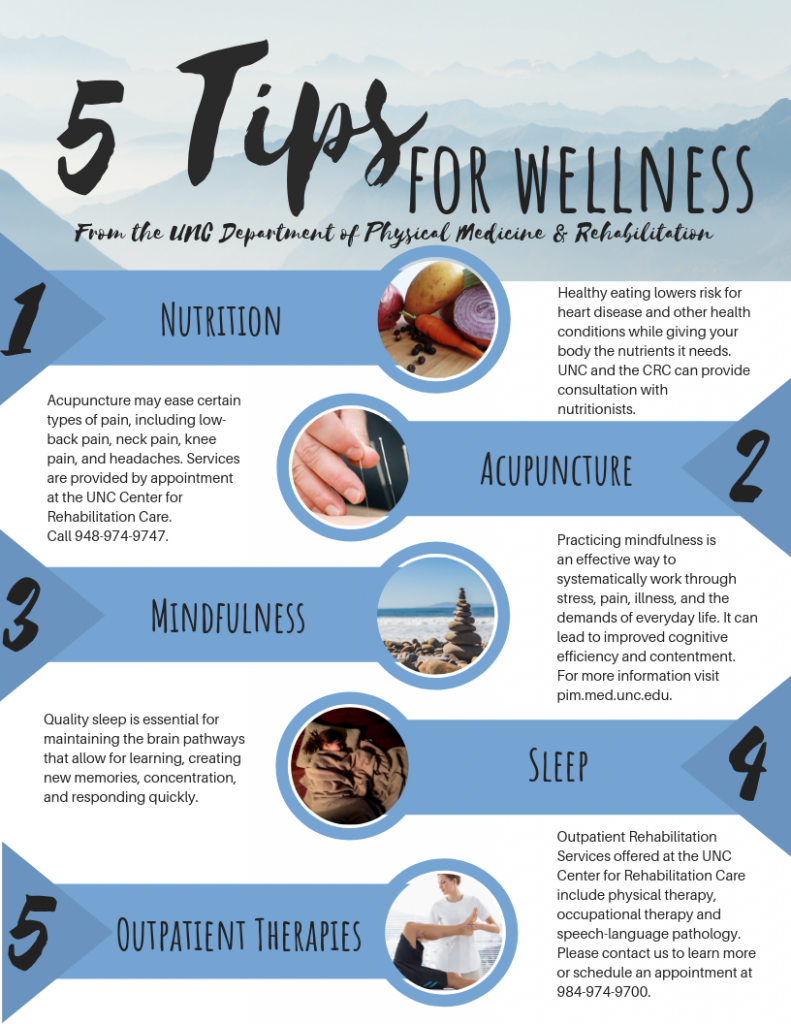
In today’s fast-paced world, health information is everywhere—but not all of it is reliable. Social media trends, quick fixes, and unverified advice often overshadow professional medical guidance. This is why doctor health tips remain the most trusted foundation for maintaining long-term well-being. Doctors combine scientific evidence, clinical experience, and preventive insight to guide individuals toward sustainable health rather than temporary solutions.
Being healthy is not just about treating illness; it is about preventing disease, managing stress, maintaining balance, and supporting the body before problems arise. Advanced health & wellness now strongly emphasizes preventive care, lifestyle modification, and early awareness—principles long recommended by medical professionals.
This comprehensive blog explores doctor-approved health tips from an advanced wellness perspective, focusing on daily habits, mental health, physical care, and long-term disease prevention. The goal is to help readers build a health-focused lifestyle grounded in medical science and practical consistency.
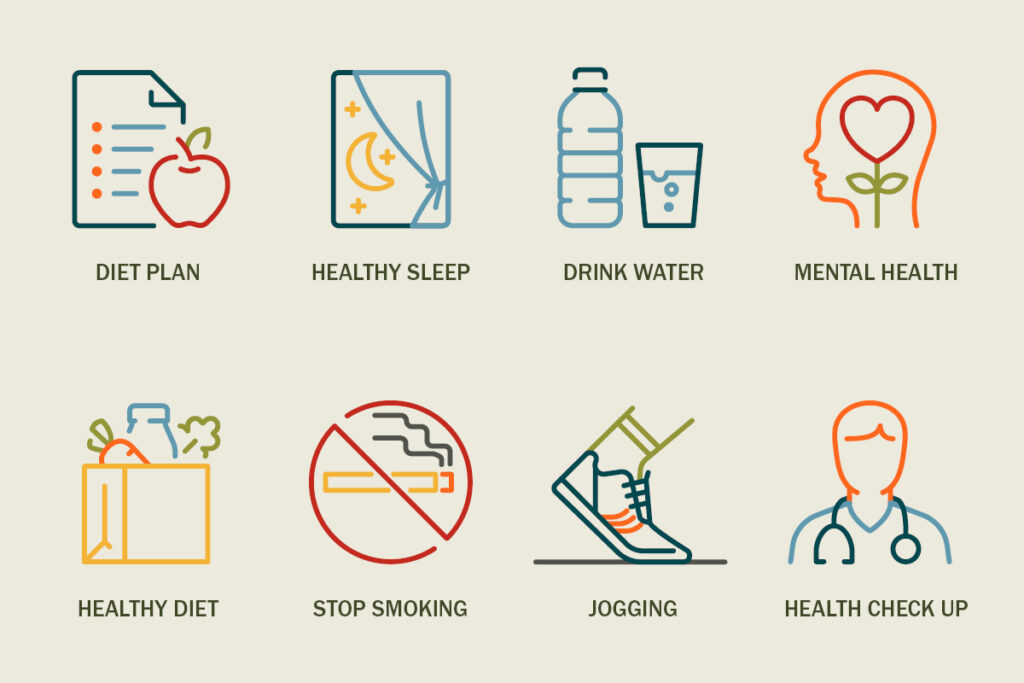
Doctor Health Tips Start With Prevention, Not Treatment
One of the most important messages doctors emphasize is that prevention is always better than cure. Many chronic diseases—such as heart disease, diabetes, obesity, hypertension, and stress-related disorders—develop gradually over years of lifestyle imbalance.
Doctor health tips focus on recognizing early warning signs rather than waiting for serious symptoms. Fatigue, poor sleep, recurring digestive issues, mood changes, or frequent infections are often the body’s early signals of imbalance. Addressing these signs early through lifestyle adjustments can prevent long-term medical complications.
Preventive healthcare reduces dependency on medication, lowers healthcare costs, and improves quality of life. Doctors consistently advise regular checkups, routine screenings, and healthy habits as the cornerstone of long-term wellness.
Balanced Nutrition: A Doctor-Recommended Health Foundation
Doctors agree that nutrition is one of the most powerful tools for maintaining health. However, medical nutrition advice differs from diet trends. Instead of extreme restriction, doctor health tips emphasize balanced, nutrient-dense eating that supports digestion, metabolism, and immunity.
A healthy diet includes whole foods such as vegetables, fruits, whole grains, lean proteins, and healthy fats. These foods provide essential vitamins, minerals, antioxidants, and fiber necessary for cellular repair and immune defense. Doctors also stress moderation—overeating, even healthy foods, can strain digestion and metabolism.
Equally important is meal timing. Eating at regular intervals supports blood sugar stability and digestive efficiency. Skipping meals, late-night eating, or frequent snacking disrupts metabolic balance and increases disease risk over time.
Hydration: A Simple Yet Critical Doctor Health Tip
Hydration is one of the most underestimated aspects of health. Doctors consistently highlight that even mild dehydration can affect digestion, kidney function, circulation, cognitive performance, and energy levels.
Proper hydration supports nutrient transport, detoxification, temperature regulation, and joint lubrication. Doctor health tips recommend drinking water consistently throughout the day rather than consuming large amounts at once. Herbal teas and natural fluids can also contribute to hydration, while sugary drinks and excessive caffeine should be limited.
Listening to thirst signals and maintaining light-colored urine are simple medical indicators of adequate hydration.
Physical Activity: Doctor-Approved Movement for Health
Doctors emphasize that regular physical activity is essential, but it does not require extreme exercise routines. Health-focused movement aims to support cardiovascular health, muscle strength, joint mobility, and mental well-being.
Walking, stretching, strength training, yoga, and moderate aerobic activity improve circulation, metabolism, and immune function. Doctors caution against prolonged inactivity, which increases the risk of heart disease, diabetes, and musculoskeletal problems.
Equally, overtraining without rest can harm health by increasing stress hormones and weakening immunity. Doctor health tips promote balanced movement—exercise that energizes rather than exhausts the body.
Sleep: A Non-Negotiable Medical Health Tip
Sleep is one of the most critical yet neglected doctor health recommendations. During sleep, the body repairs tissues, balances hormones, strengthens immunity, and consolidates memory. Chronic sleep deprivation increases the risk of obesity, heart disease, diabetes, depression, and weakened immunity.
Doctors advise maintaining consistent sleep schedules, reducing screen exposure before bed, and creating a calm sleep environment. Quality sleep improves concentration, emotional regulation, and physical recovery.
Medical research confirms that sleep is not optional—it is a biological necessity for survival and long-term health.
Mental Health: A Core Part of Doctor Health Tips
Modern medicine recognizes mental health as inseparable from physical health. Chronic stress, anxiety, and emotional overload disrupt hormonal balance, digestion, immunity, and cardiovascular health.
Doctor health tips emphasize stress management, emotional awareness, and mental balance as essential health practices. Techniques such as mindfulness, breathing exercises, physical activity, and adequate rest help regulate the nervous system.
Ignoring mental health often leads to physical illness. Supporting mental well-being improves overall health outcomes and resilience.
Regular Health Checkups and Screenings
Doctors consistently recommend routine health checkups—even when no symptoms are present. Regular screenings help detect issues such as high blood pressure, diabetes, cholesterol imbalance, and nutritional deficiencies early.
Early detection allows for lifestyle correction before medication becomes necessary. Doctor health tips encourage individuals to understand their health markers rather than fear them.
Preventive checkups are a key element of responsible self-care.
Doctor Health Tips for Strong Immunity
A strong immune system depends on sleep quality, nutrition, stress management, hydration, and physical activity. Doctors caution against relying solely on supplements while neglecting lifestyle foundations.
Immune resilience improves when the body is well-rested, well-nourished, and emotionally balanced. Chronic stress and sleep deprivation are among the strongest immune suppressors.
For globally trusted, evidence-based guidance on immunity, disease prevention, and public health, readers can refer to the World Health Organization:
👉 https://www.who.int/ (external dofollow link)
Lifestyle Discipline: The Key to Long-Term Health
Doctors often emphasize that health is built through daily discipline, not occasional effort. Consistent routines around sleep, meals, movement, and stress management create stability for the body.
Extreme health measures rarely work long-term. Simple, repeatable habits practiced consistently produce the greatest medical benefit.
Being healthy is not about perfection—it is about alignment and consistency.
Learning Health the Right Way
Doctor health tips are rooted in science, experience, and prevention. Learning from reliable medical sources helps individuals avoid misinformation and harmful practices.
For in-depth articles on holistic wellness, preventive healthcare, and doctor-backed lifestyle guidance, explore internal educational resources at:
👉 https://javahealth.blog/ (internal link)
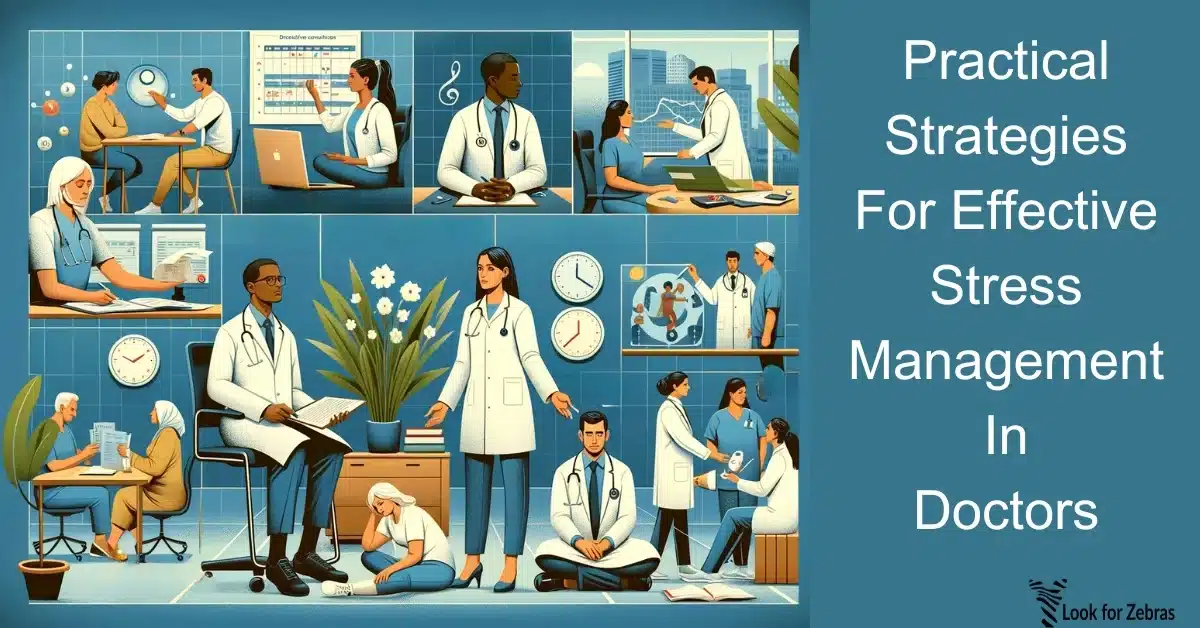
Doctor Health Tips
Heart Health, Digestion, Stress Control, Hormonal Balance & Disease Prevention
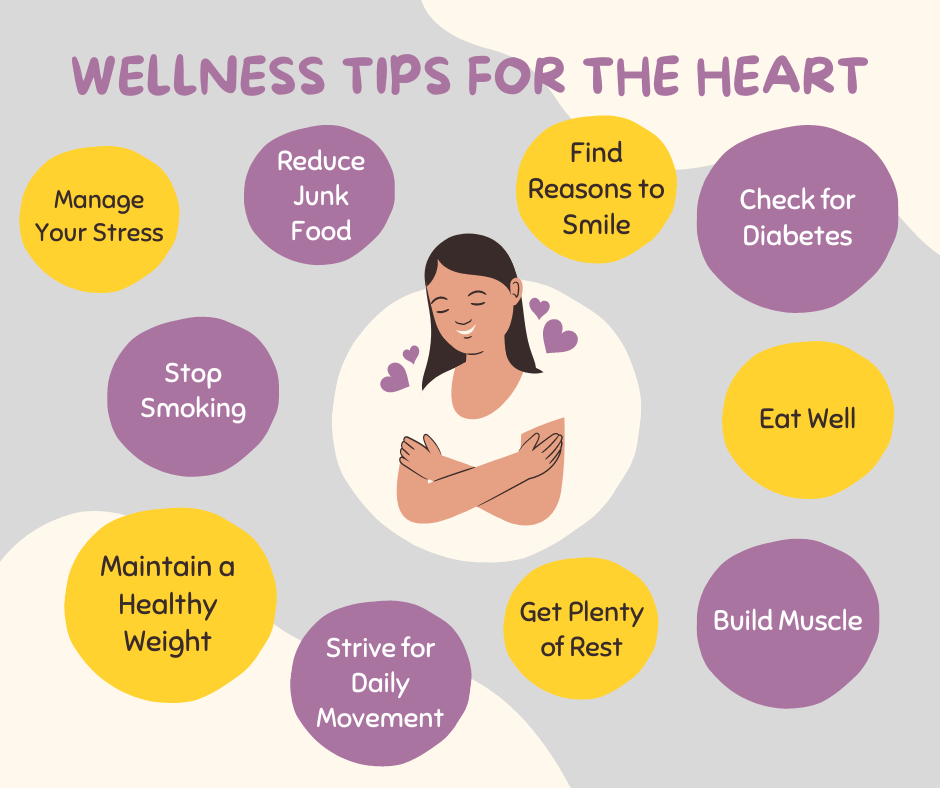
Doctor Health Tips for Heart Health and Cardiovascular Strength
Heart health is one of the top priorities in medical wellness, as cardiovascular disease remains one of the leading causes of long-term illness worldwide. Doctors consistently emphasize that heart health is built through daily lifestyle choices, not emergency treatment alone.
Doctor health tips for a strong heart include maintaining stable blood pressure, managing cholesterol levels, staying physically active, and controlling stress. A diet rich in vegetables, fruits, whole grains, lean protein, and healthy fats supports arterial health and reduces inflammation. Doctors strongly advise limiting excessive salt, refined sugar, and ultra-processed foods, as these contribute to hypertension and metabolic strain.
Regular movement plays a critical role in heart health. Brisk walking, cycling, swimming, and light strength training improve circulation and strengthen the heart muscle. Doctors recommend consistency over intensity, as moderate daily activity provides greater long-term protection than sporadic intense workouts.
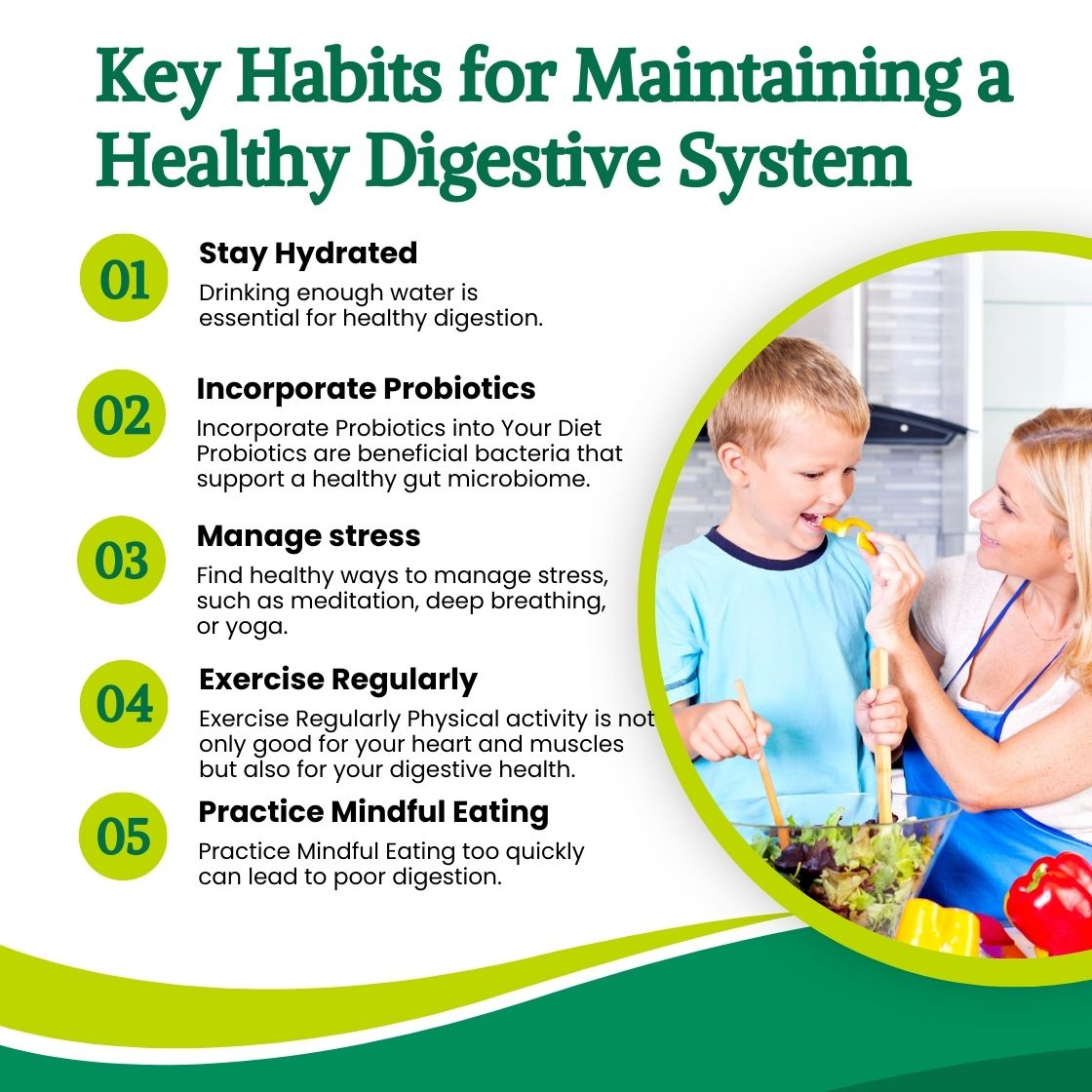
Digestive Health: A Doctor’s Perspective on Gut Wellness
Doctors increasingly recognize digestion as a central pillar of overall health. The digestive system influences immunity, energy levels, nutrient absorption, and even mental well-being. Poor digestion often presents as bloating, acidity, constipation, fatigue, or frequent illness—signals that should never be ignored.
Doctor health tips for digestion focus on regular meal timing, balanced portions, and mindful eating. Eating too quickly, skipping meals, or overeating places unnecessary strain on the digestive system. Doctors also recommend adequate hydration and fiber intake to support healthy gut function.
Stress has a direct impact on digestion. Chronic anxiety disrupts gut motility and increases digestive discomfort. Medical professionals emphasize calming routines, relaxed eating environments, and stress management to restore gut balance naturally.
Stress Management: A Medical Necessity, Not a Luxury
Stress is unavoidable, but unmanaged stress is harmful. Doctors now classify chronic stress as a major risk factor for heart disease, digestive disorders, hormonal imbalance, immune suppression, and mental health conditions.
Doctor health tips for stress management focus on regulating the nervous system. Simple practices such as deep breathing, physical movement, adequate sleep, and regular breaks during work help reduce stress hormone levels. Doctors also advise limiting constant digital exposure, as overstimulation keeps the body in a persistent fight-or-flight state.
Learning how to recover from stress is as important as avoiding it. A healthy body returns to calm after pressure, rather than remaining tense for long periods.
Hormonal Balance Through Doctor-Approved Lifestyle Habits
Hormones regulate nearly every function in the body, including metabolism, mood, sleep, appetite, and immune response. Doctors emphasize that hormonal imbalance often develops due to poor sleep, chronic stress, irregular eating, and sedentary habits.
Doctor health tips for hormonal balance include consistent sleep schedules, balanced nutrition, regular physical activity, and stress control. Extreme dieting, excessive caffeine, and overtraining disrupt hormonal signals and increase fatigue.
Medical experts highlight that hormonal health improves gradually when lifestyle patterns stabilize. Restoring balance does not require aggressive interventions—it requires consistency and patience.
Doctor Health Tips for Preventing Lifestyle Diseases
Lifestyle diseases such as diabetes, hypertension, obesity, and heart disease develop silently over time. Doctors emphasize that these conditions are largely preventable through early lifestyle correction.
Preventive doctor health tips include maintaining a healthy weight, monitoring blood pressure and blood sugar, staying physically active, and managing stress. Regular medical screenings help detect early changes before disease progression.
Doctors encourage patients to view prevention as an investment rather than an obligation. Small daily habits significantly reduce the risk of serious medical conditions later in life.
Immune Health: What Doctors Recommend
Doctors stress that immunity cannot be forced—it must be supported. A healthy immune system depends on quality sleep, proper nutrition, hydration, stress management, and physical activity.
Doctor health tips warn against over-reliance on supplements without addressing lifestyle foundations. Supplements may support immunity, but they cannot replace sleep or balanced nutrition. Chronic stress and sleep deprivation remain the strongest immune suppressors.
For globally trusted, evidence-based medical guidance on immunity, disease prevention, and public health, readers can refer to the World Health Organization:
👉 https://www.who.int/ (external dofollow link)
Daily Medical Habits That Protect Long-Term Health
Doctors often emphasize that long-term health is shaped by daily routines, not occasional effort. Eating on time, sleeping consistently, moving daily, managing stress, and staying hydrated form the backbone of medical wellness.
Skipping these basics while chasing advanced treatments often leads to poor outcomes. Doctor health tips consistently return to fundamentals because they work.
Health improves when routines support the body’s natural rhythms rather than disrupt them.
The Importance of Doctor-Guided Health Awareness
Medical professionals encourage individuals to become informed about their own health. Understanding lab values, symptoms, and lifestyle impacts empowers better decision-making.
Reliable information prevents misinformation-driven choices that can harm health. Learning from doctor-backed resources ensures safety and long-term effectiveness.
For continued learning on holistic wellness, preventive healthcare, and doctor-approved lifestyle strategies, explore internal educational resources at:
👉 https://javahealth.blog/ (internal link)

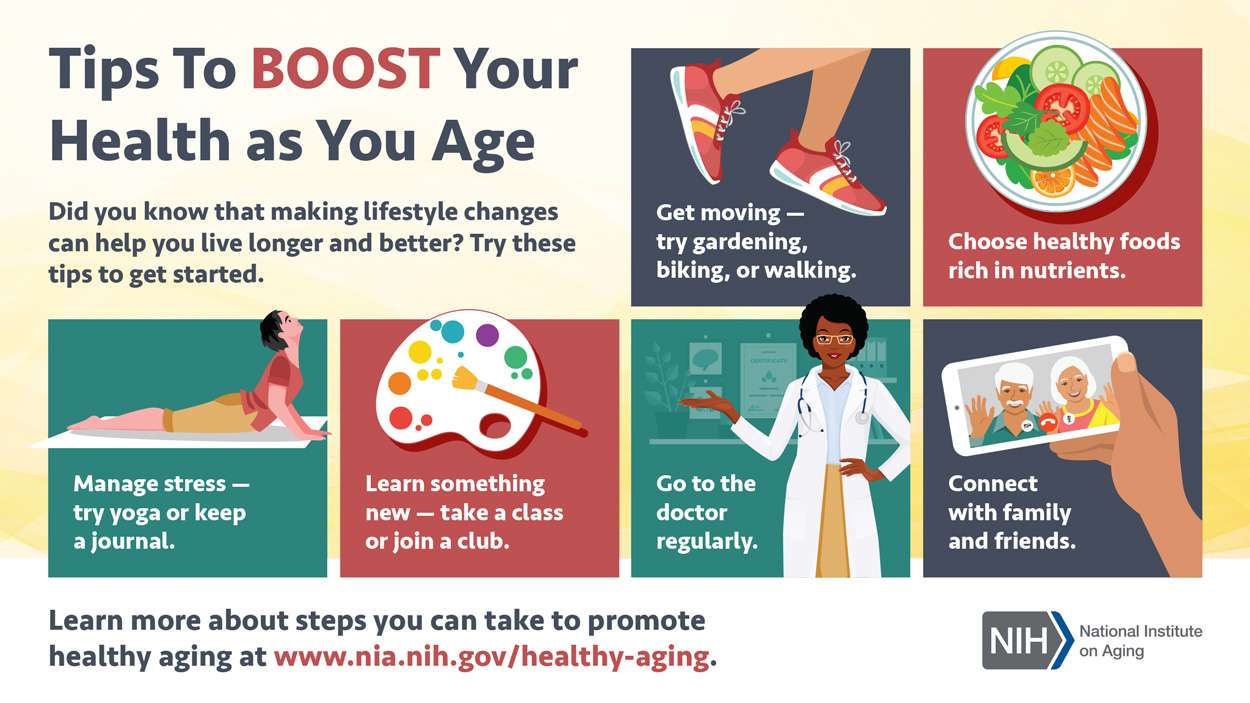
Doctor Health Tips
Mental Health, Healthy Aging, Daily Medical Routines & Lifelong Wellness
Doctor Health Tips for Mental Health and Emotional Resilience
Modern medicine clearly recognizes that mental health is inseparable from physical health. Doctors now treat mental well-being as a core medical priority rather than a secondary concern. Chronic stress, anxiety, and emotional overload are strongly linked to heart disease, digestive disorders, immune suppression, and hormonal imbalance.
Doctor health tips for mental health focus on nervous system regulation. This includes maintaining regular sleep patterns, reducing constant digital stimulation, engaging in physical activity, and practicing stress-reduction techniques. Doctors frequently recommend mindfulness practices, controlled breathing, and structured rest periods to help the brain recover from continuous pressure.
Emotional resilience—the ability to process emotions without being overwhelmed—is another key medical marker of health. Suppressing emotions or living in constant emotional tension increases inflammation and weakens immunity. Doctors encourage emotional awareness, healthy expression, and social connection as protective factors for long-term wellness.
The Doctor’s View on Healthy Aging and Longevity
Aging is inevitable, but how we age is strongly influenced by lifestyle choices. Doctors emphasize that healthy aging is not about avoiding age—it is about preserving function, independence, and quality of life for as long as possible.
Doctor health tips for healthy aging include maintaining muscle mass through regular movement, protecting joint mobility, supporting bone health, and preserving cognitive function. Strength training, balance exercises, and walking are widely recommended by medical professionals to reduce the risk of falls, frailty, and loss of independence.
Cognitive health is equally important. Doctors advise lifelong mental engagement through reading, learning, problem-solving, and social interaction. Emotional stability and purpose in life have also been shown to improve longevity and mental sharpness in older adults.
Healthy aging is best supported when preventive habits are established early, rather than corrected late.
Doctor-Approved Daily Health Routines
Doctors consistently emphasize that health is built through daily routines, not occasional effort. Simple, repeatable habits provide more medical benefit than extreme or short-lived interventions.
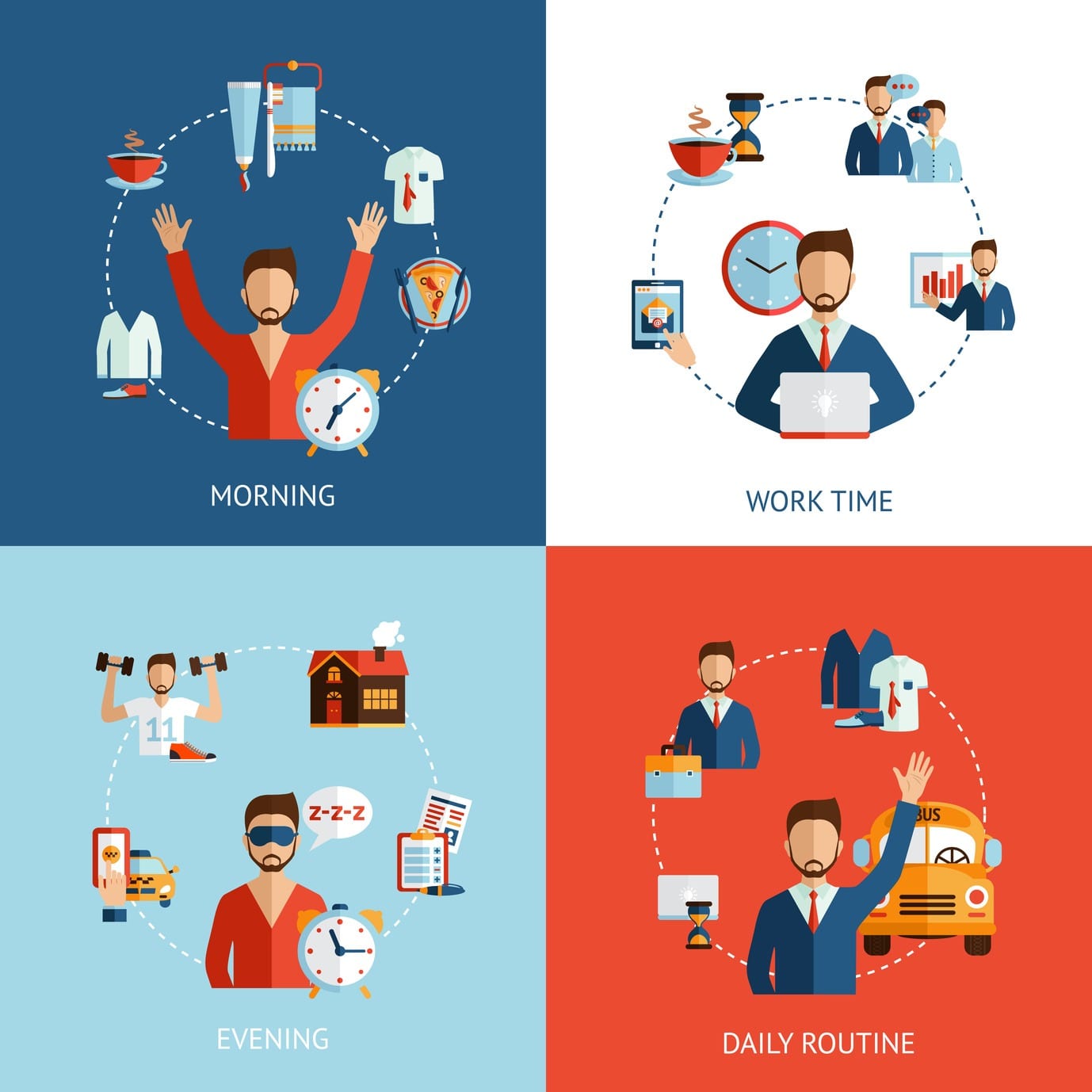
A doctor-approved daily routine often includes waking and sleeping at consistent times, eating balanced meals on schedule, staying hydrated, engaging in some form of movement, and allowing time for mental rest. These habits regulate circadian rhythms, stabilize hormones, and reduce chronic stress.
Doctors also advise building short recovery periods into the day. Brief walks, breathing breaks, or moments of stillness allow the nervous system to reset. Over time, these small practices significantly reduce burnout and improve overall health.
Doctor Health Tips for Work–Life Balance
Medical professionals increasingly warn about the health risks of chronic overwork. Prolonged stress without recovery increases the risk of cardiovascular disease, depression, metabolic disorders, and immune dysfunction.
Doctor health tips for work–life balance focus on setting boundaries, taking regular breaks, and separating work time from recovery time. Productivity without rest leads to diminishing returns and long-term health consequences.
Doctors recommend viewing rest as a medical necessity, not a reward. Proper recovery supports brain function, emotional regulation, and physical resilience.
Social Connection: A Medical Requirement for Health
Doctors now recognize social isolation as a serious health risk. Strong social connections improve immune function, reduce stress hormones, and increase life expectancy.
Doctor health tips encourage maintaining meaningful relationships, communicating openly, and seeking support when needed. Even simple social interactions—such as conversations, shared meals, or community involvement—have measurable health benefits.
Healthy relationships provide emotional safety, which allows the nervous system to relax and the body to heal more effectively.
Preventive Medical Care Across Life Stages
Doctors emphasize that preventive care must evolve with age and life circumstances. What supports health in early adulthood may differ from what is needed later in life, but the principle of prevention remains constant.
Routine screenings, vaccinations, and health assessments allow early detection of potential issues. Doctors encourage individuals to understand their health metrics rather than avoid them. Knowledge enables timely lifestyle adjustments and reduces the need for aggressive medical interventions.
Preventive care is one of the most effective strategies for reducing long-term disease risk and maintaining quality of life.
For globally trusted, science-based medical guidance on preventive care, public health, and wellness, readers can refer to the World Health Organization:
👉 https://www.who.int/ (external dofollow link)
Integrating Medical Advice Into Daily Life
Doctor health tips are most effective when they are applied consistently, not just understood intellectually. Health improves when medical advice is integrated into real-life routines rather than treated as occasional guidance.
Doctors encourage patients to focus on progress, not perfection. Missing a healthy habit occasionally does not harm health—chronic neglect does. Returning to balance is more important than rigid adherence.
Consistency builds resilience. Over time, healthy routines become automatic, reducing decision fatigue and improving long-term outcomes.
Health Literacy: Learning to Care for Yourself Properly
Doctors emphasize the importance of health literacy—understanding basic health concepts, recognizing early symptoms, and making informed decisions. Health literacy reduces fear, misinformation, and unnecessary medical interventions.
Learning from reliable, doctor-backed sources empowers individuals to take responsibility for their health. It also improves communication with healthcare providers, leading to better outcomes.
For continued education on doctor-approved wellness strategies, preventive healthcare, and holistic lifestyle guidance, explore internal educational resources at:
👉 https://javahealth.blog/ (internal link)
Doctor Health Tips as a Lifelong Strategy
Doctor health tips are not quick fixes or short-term solutions. They represent a lifelong approach to wellness grounded in science, prevention, and practical consistency. By focusing on daily habits—such as sleep, nutrition, movement, stress management, and emotional balance—medical professionals help individuals build health from the foundation up.
This advanced guide has shown that true health is proactive rather than reactive. It is shaped by small, repeatable actions practiced over time. When medical guidance is combined with personal responsibility and lifestyle awareness, health becomes resilient rather than fragile.
In a world filled with misinformation and extremes, doctor-backed health advice offers clarity, safety, and sustainability. When health is treated as a daily practice instead of an emergency response, well-being becomes stable, adaptable, and long-lasting.
Long & Detailed FAQs
1. What are doctor health tips, and why are they important?
Doctor health tips are evidence-based recommendations provided by medical professionals to help individuals maintain health, prevent disease, and manage lifestyle-related risks. Unlike general online advice, doctor health tips are grounded in clinical research and real patient outcomes. They emphasize prevention, early detection, and sustainable habits that protect long-term physical and mental well-being.
2. How are doctor health tips different from general health advice online?
Most online health advice is generic or trend-driven, while doctor health tips are personalized, science-backed, and safety-focused. Doctors consider age, medical history, lifestyle, and risk factors before making recommendations. This reduces misinformation and prevents harmful practices such as extreme diets, overuse of supplements, or unsafe exercise routines.
3. Can doctor health tips help prevent chronic diseases?
Yes. Doctors consistently confirm that many chronic diseases—such as heart disease, diabetes, hypertension, obesity, and stress-related disorders—are largely preventable. Doctor health tips focus on early lifestyle correction, including balanced nutrition, regular activity, stress management, and routine screenings. Prevention significantly lowers disease risk and improves life expectancy.
4. How often should I follow doctor health tips if I feel fine?
Doctor health tips are meant to be followed daily, not only when symptoms appear. Feeling “fine” does not always indicate good health, as many conditions develop silently. Preventive habits such as proper sleep, hydration, movement, and stress control protect health before problems arise.
5. Do doctor health tips focus more on lifestyle or medication?
Doctors prioritize lifestyle first whenever possible. Medication is often necessary for treatment, but lifestyle correction is essential for long-term health. Doctor health tips emphasize nutrition, sleep, physical activity, emotional balance, and preventive care as the foundation of wellness. Medication works best when lifestyle habits support it.
6. Why do doctors emphasize sleep so much?
Sleep is critical for immune function, hormonal balance, brain health, and tissue repair. Doctors warn that chronic sleep deprivation increases the risk of heart disease, diabetes, depression, and weakened immunity. Doctor health tips treat sleep as a medical necessity, not a luxury, recommending consistent sleep schedules and healthy nighttime routines.
7. Can doctor health tips improve mental health?
Yes. Doctors now recognize mental health as inseparable from physical health. Chronic stress, anxiety, and emotional overload directly affect digestion, immunity, and heart health. Doctor health tips for mental well-being include stress regulation, emotional awareness, physical activity, social connection, and adequate rest.
8. Are doctor health tips suitable for all age groups?
Doctor health tips are adaptable for all ages. Children benefit from healthy routines and nutrition, adults from stress management and disease prevention, and older individuals from mobility, balance, and cognitive support. While specific recommendations vary, the principles of prevention and balance apply universally.
9. How important are regular health checkups according to doctors?
Doctors strongly emphasize regular health checkups even in the absence of symptoms. Routine screenings help detect issues such as high blood pressure, blood sugar imbalance, cholesterol problems, and nutritional deficiencies early. Early detection allows lifestyle correction before serious medical intervention is required.
10. Can doctor health tips help boost immunity naturally?
Yes. Doctors confirm that immunity depends primarily on sleep quality, nutrition, hydration, stress management, and physical activity. While supplements may help in specific cases, lifestyle foundations are far more important. Chronic stress and poor sleep are the biggest immune suppressors.
11. Why do doctors warn against extreme diets and fitness routines?
Extreme diets and overtraining place unnecessary stress on the body and nervous system. Doctors warn that such approaches often lead to hormonal imbalance, nutrient deficiencies, burnout, and injury. Doctor health tips promote balanced, sustainable habits that can be maintained long-term without harming health.
12. How do doctor health tips address digestive health?
Doctors consider digestion central to overall health. Poor digestion affects immunity, energy, and mental clarity. Doctor health tips for digestion include regular meals, balanced portions, adequate hydration, stress management, and mindful eating. Digestive discomfort is treated as an early warning sign, not something to ignore.
13. Can stress really cause physical illness, according to doctors?
Yes. Medical research clearly links chronic stress to heart disease, digestive disorders, immune suppression, hormonal imbalance, and mental health conditions. Doctors emphasize stress management as a medical necessity, not a lifestyle luxury.
14. Are doctor health tips different for men and women?
Some health recommendations differ due to hormonal, metabolic, and reproductive differences. However, core doctor health tips—such as balanced nutrition, sleep, stress management, movement, and preventive care—apply to everyone. Doctors adjust guidance based on individual needs rather than gender alone.
15. How do doctor health tips support healthy aging?
Doctors emphasize that aging is influenced by lifestyle more than genetics. Regular movement, cognitive engagement, emotional balance, and preventive care slow physical and mental decline. Doctor health tips aim to preserve independence, mobility, and quality of life as people age.
16. Can someone with a medical condition still follow doctor health tips?
Absolutely. Doctor health tips are especially important for individuals with medical conditions. Lifestyle support improves treatment outcomes, reduces complications, and enhances quality of life. Health is about function and balance, not the absence of diagnosis.
17. How reliable are online doctor health tips compared to in-person advice?
Online doctor-backed resources can be highly reliable if sourced from credible medical organizations or licensed professionals. However, doctors recommend combining general guidance with personalized medical consultation for best results.
For globally trusted, evidence-based medical guidance on health and disease prevention, readers can refer to the World Health Organization:
👉 https://www.who.int/ (external dofollow link)
18. Are doctor health tips expensive to follow?
No. Most doctor health tips involve low-cost habits such as regular sleep, walking, hydration, stress management, and balanced meals. Preventive health reduces long-term medical expenses by avoiding advanced disease.
19. What is the biggest mistake people make when following doctor health tips?
The biggest mistake is inconsistency. Following healthy habits occasionally while ignoring them most of the time limits results. Doctors emphasize consistency over intensity—small daily habits matter more than short bursts of effort.
20. What is the ultimate goal of doctor health tips?
The ultimate goal of doctor health tips is long-term well-being, disease prevention, and quality of life. Doctors aim to help individuals live with energy, resilience, emotional balance, and functional independence—not just avoid illness.
Conclusion:
Doctor health tips provide a reliable and science-backed roadmap for achieving long-term well-being. Rather than focusing on quick fixes or temporary solutions, medical guidance emphasizes prevention, consistency, and balance. As explored throughout this guide, true health is built through daily habits that support the body and mind before illness develops.
A healthy life guided by doctor health tips includes regular sleep, balanced nutrition, adequate hydration, consistent physical activity, stress management, and emotional awareness. These habits work together to strengthen immunity, stabilize hormones, protect heart health, and improve mental clarity. When lifestyle choices align with medical advice, the body becomes more resilient and capable of adapting to stress, aging, and environmental challenges.
Modern medicine clearly recognizes that mental and emotional well-being are inseparable from physical health. Doctor health tips encourage individuals to manage stress, maintain meaningful social connections, and prioritize recovery as essential components of overall wellness. Health is not defined by perfection or the absence of challenges—it is defined by the ability to function, recover, and maintain balance over time.
Preventive care remains one of the most powerful messages from doctors. Addressing early warning signs such as fatigue, sleep disturbances, digestive discomfort, or mood changes can prevent the progression of serious medical conditions. Regular checkups, health awareness, and lifestyle alignment reduce long-term health risks and improve quality of life.
For readers who want to continue learning about doctor-approved wellness strategies, preventive healthcare, and holistic lifestyle guidance, explore trusted resources at:
👉 https://javahealth.blog/ (internal link)
For globally recognized, evidence-based medical guidance on disease prevention and public health, you can also refer to the World Health Organization:
👉 https://www.who.int/ (external dofollow link)
Ultimately, doctor health tips are not just recommendations—they are lifelong principles. When medical guidance is applied consistently in everyday life, health becomes sustainable, resilient, and empowering. Instead of reacting to illness, individuals gain the ability to protect, strengthen, and maintain their well-being for years to come.