Healthier Life: An Advanced Guide to Building Long-Term Wellness, Balance & Vitality
Introduction: What Does a Healthier Life Really Mean?
In today’s world, the idea of a healthier life is often misunderstood. Many people associate health with short-term goals such as weight loss, fitness challenges, or strict diets. While these may offer temporary improvements, they rarely create lasting well-being. A truly healthier life is not a quick fix—it is a long-term lifestyle built on balance, awareness, and consistency.
Living a healthier life means supporting the body and mind in a way that allows them to function efficiently over time. It is about having steady energy, mental clarity, emotional resilience, and the ability to adapt to stress and change. Advanced health & wellness approaches now focus less on extremes and more on sustainable daily habits that protect long-term health.
This comprehensive guide explores what it truly means to live a healthier life from an advanced wellness perspective. Rather than offering trends or shortcuts, it focuses on foundational principles that support physical health, mental well-being, emotional balance, and preventive care.
A Healthier Life Is Built on Balance, Not Perfection
One of the most important principles of a healthier life is balance. Perfection is neither realistic nor healthy. The body thrives on rhythm and moderation, not rigid control. When lifestyle habits become extreme—such as excessive dieting, overtraining, or chronic overworking—the body responds with stress and imbalance.
A healthier life allows room for flexibility while maintaining consistency. Occasional indulgence does not ruin health; chronic neglect does. Advanced wellness emphasizes returning to balance rather than maintaining unrealistic standards.
Living healthier means understanding your limits, listening to your body’s signals, and making adjustments before imbalance becomes illness.
Physical Health as the Foundation of a Healthier Life
Physical health forms the structural base of a healthier life. It includes how efficiently the body’s systems—such as digestion, circulation, immunity, and metabolism—function together. Physical health is not defined by appearance alone, but by how well the body performs daily tasks and recovers from stress.
A physically healthy body maintains stable energy, supports regular digestion, heals efficiently, and adapts to physical demands. Nutrition, hydration, movement, and rest all directly influence physical health. When these elements are inconsistent, the body compensates temporarily but eventually shows signs of imbalance.
Living a healthier life requires supporting physical health consistently rather than reacting only when symptoms appear.
Mental Clarity and a Healthier Life
Mental health is a critical yet often underestimated component of a healthier life. The mind influences decision-making, stress perception, emotional regulation, and even physical healing. Chronic mental stress places the body in a constant survival state, disrupting sleep, digestion, immunity, and hormonal balance.
A healthier life supports mental clarity through adequate rest, reduced overstimulation, emotional awareness, and mindful routines. Clear thinking improves productivity, reduces anxiety, and supports better lifestyle choices.
Advanced wellness recognizes that a calm, focused mind is essential for sustainable health.
Emotional Balance: The Invisible Pillar of Wellness
Emotional health plays a powerful role in determining whether life feels manageable or overwhelming. Unprocessed emotions create internal stress that directly affects physical systems. Over time, emotional imbalance contributes to fatigue, poor sleep, digestive discomfort, and weakened immunity.
Living a healthier life does not mean avoiding negative emotions—it means understanding and processing them constructively. Emotional awareness allows individuals to respond rather than react, preserving energy and stability.
A healthier life supports emotional balance through self-reflection, healthy communication, and stress regulation.
Lifestyle Habits That Shape a Healthier Life
Health is created in daily routines, not in occasional efforts. Sleep patterns, eating habits, movement, screen use, and stress management all shape long-term health outcomes.
A healthier life includes consistent sleep timing, regular meals, daily movement, and intentional rest. These habits regulate the body’s internal rhythms, improve hormonal balance, and reduce chronic stress.
Advanced wellness focuses on habits that can be maintained for years, not weeks. Sustainability is the key to real health improvement.
Preventive Care: The Core of a Healthier Life
A healthier life is proactive rather than reactive. Preventive care focuses on recognizing early signs of imbalance—such as persistent fatigue, poor sleep, mood changes, or digestive discomfort—before they develop into chronic conditions.
Preventive health reduces the need for aggressive medical intervention and improves quality of life over time. Global health organizations emphasize prevention as a primary strategy for reducing disease burden.
For science-based guidance on preventive health, wellness, and lifestyle balance, readers can refer to the World Health Organization:
👉 https://www.who.int/ (external dofollow link)
The Role of Consistency in Living Healthier
Consistency is more powerful than intensity when it comes to health. Small actions repeated daily shape long-term outcomes more effectively than extreme measures taken occasionally.
Living a healthier life means showing up for basic habits even when motivation is low. Consistent sleep, balanced meals, movement, and stress awareness gradually strengthen the body’s resilience.
Advanced wellness teaches that health improves quietly over time, not dramatically overnight.
Learning to Support Your Health Correctly
Information overload has made health confusing for many people. Learning to live a healthier life requires reliable, evidence-based guidance rather than trends.
For readers who want to explore practical strategies for holistic wellness, preventive health, and lifestyle balance, visit:
👉 https://javahealth.blog/ (internal link)
Nutrition, Sleep, Movement, Stress Control & Daily Wellness Foundations
Nutrition: The Cornerstone of a Healthier Life
Nutrition is one of the most influential factors in living a healthier life, yet it is often misunderstood. Advanced health & wellness does not view nutrition as restriction or dieting, but as consistent nourishment that supports digestion, energy, immunity, and long-term balance.
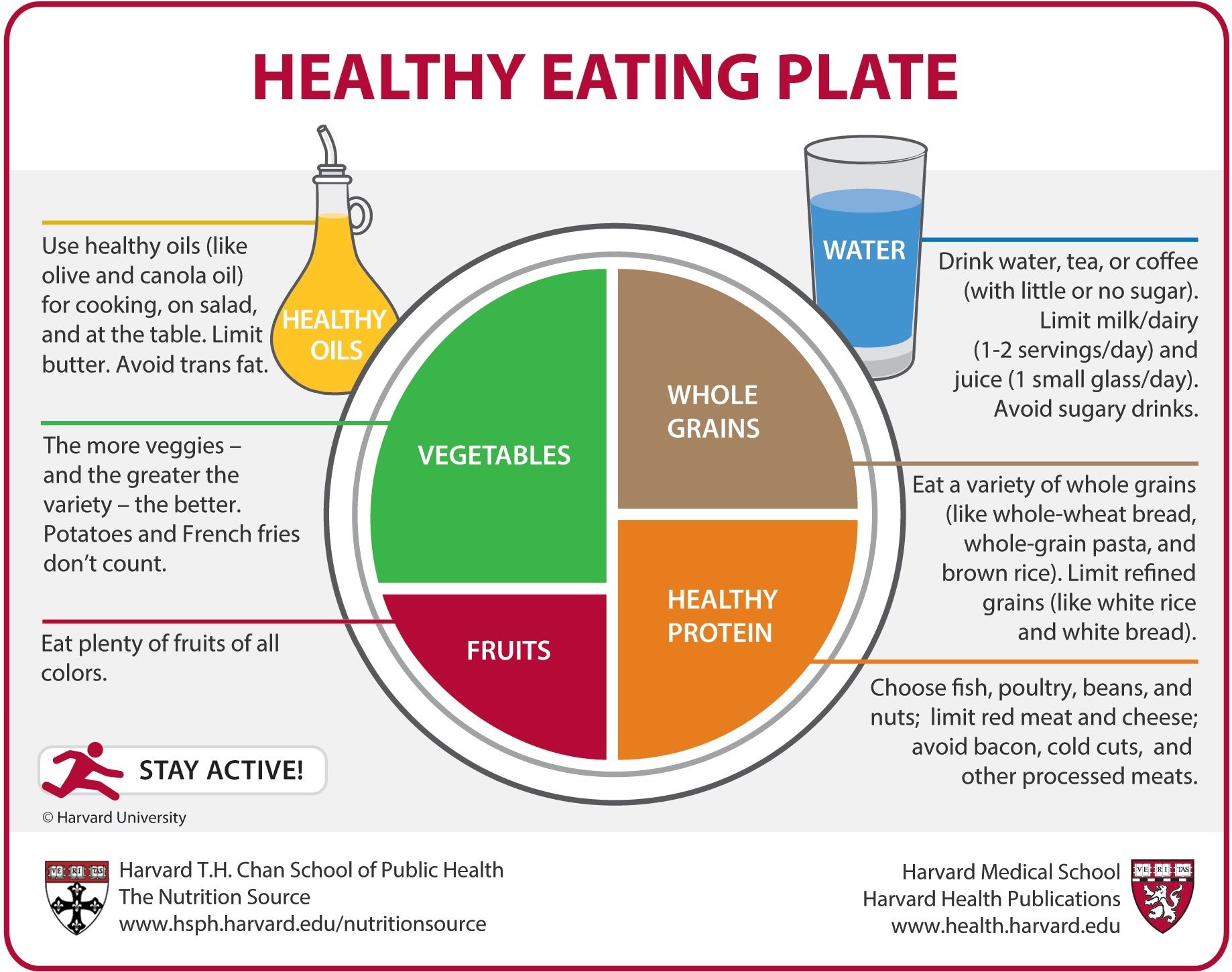
A healthier life is supported by whole, minimally processed foods that provide essential vitamins, minerals, fiber, and antioxidants. Vegetables, fruits, whole grains, lean proteins, and healthy fats work together to fuel the body and support cellular repair. Rather than focusing on calorie counting, advanced wellness emphasizes food quality, portion awareness, and regular eating patterns.
Equally important is digestive health. Even nutritious food cannot support health if digestion is weak. Eating slowly, avoiding late-night meals, and maintaining regular meal timing allow the digestive system to function efficiently. Stable digestion leads to better energy, clearer thinking, and stronger immunity.
Hydration: A Simple Habit With Powerful Health Benefits
Hydration is one of the simplest yet most overlooked components of a healthier life. Water supports circulation, digestion, detoxification, joint lubrication, temperature regulation, and cognitive function. Mild dehydration alone can cause fatigue, headaches, poor concentration, and digestive discomfort.
A healthier life includes drinking water consistently throughout the day rather than in large amounts at once. Doctors and wellness experts recommend listening to thirst cues and maintaining light-colored urine as a general indicator of proper hydration. Herbal teas and natural fluids can support hydration, while excessive sugary drinks and caffeine should be limited.
Hydration supports every system in the body, making it a foundational habit for long-term wellness.
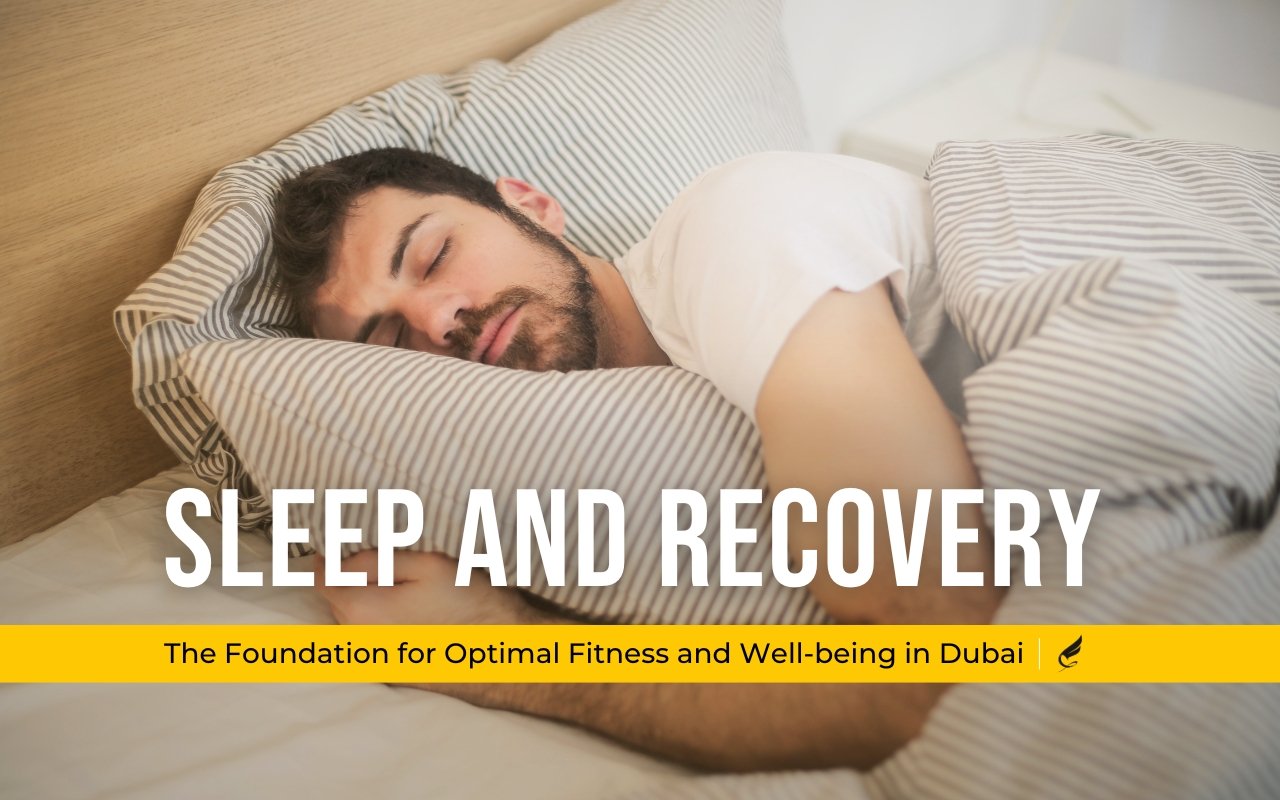
Sleep and Recovery: The Body’s Natural Healing Process
Sleep is one of the most powerful tools for building a healthier life. During sleep, the body repairs tissues, balances hormones, strengthens immunity, and clears waste from the brain. Chronic sleep deprivation quietly undermines nearly every aspect of health.
Advanced wellness emphasizes sleep quality and consistency, not just duration. Going to bed and waking up at the same time daily supports circadian rhythms and hormonal balance. Reducing screen exposure before bed, creating a calm sleep environment, and allowing the body to wind down are essential practices for restorative sleep.
A healthier life prioritizes recovery just as much as productivity. Without proper sleep, even the best nutrition and exercise routines cannot fully support health.
Movement: Supporting Health Without Burnout
Movement is essential for a healthier life, but it does not require extreme exercise or exhaustion. Health-focused movement supports circulation, muscle strength, joint mobility, metabolism, and mental well-being.
Walking, stretching, light strength training, yoga, and moderate aerobic activity help maintain physical resilience and emotional balance. Advanced health & wellness emphasizes consistency over intensity. Overtraining without recovery increases stress hormones and weakens immunity, while gentle daily movement supports long-term vitality.
A healthier life includes movement that energizes the body rather than drains it.
Stress Management: Protecting the Nervous System
Stress is unavoidable, but unmanaged stress is one of the greatest threats to long-term health. Chronic stress keeps the body in a constant fight-or-flight state, disrupting digestion, sleep, immunity, and hormonal balance.
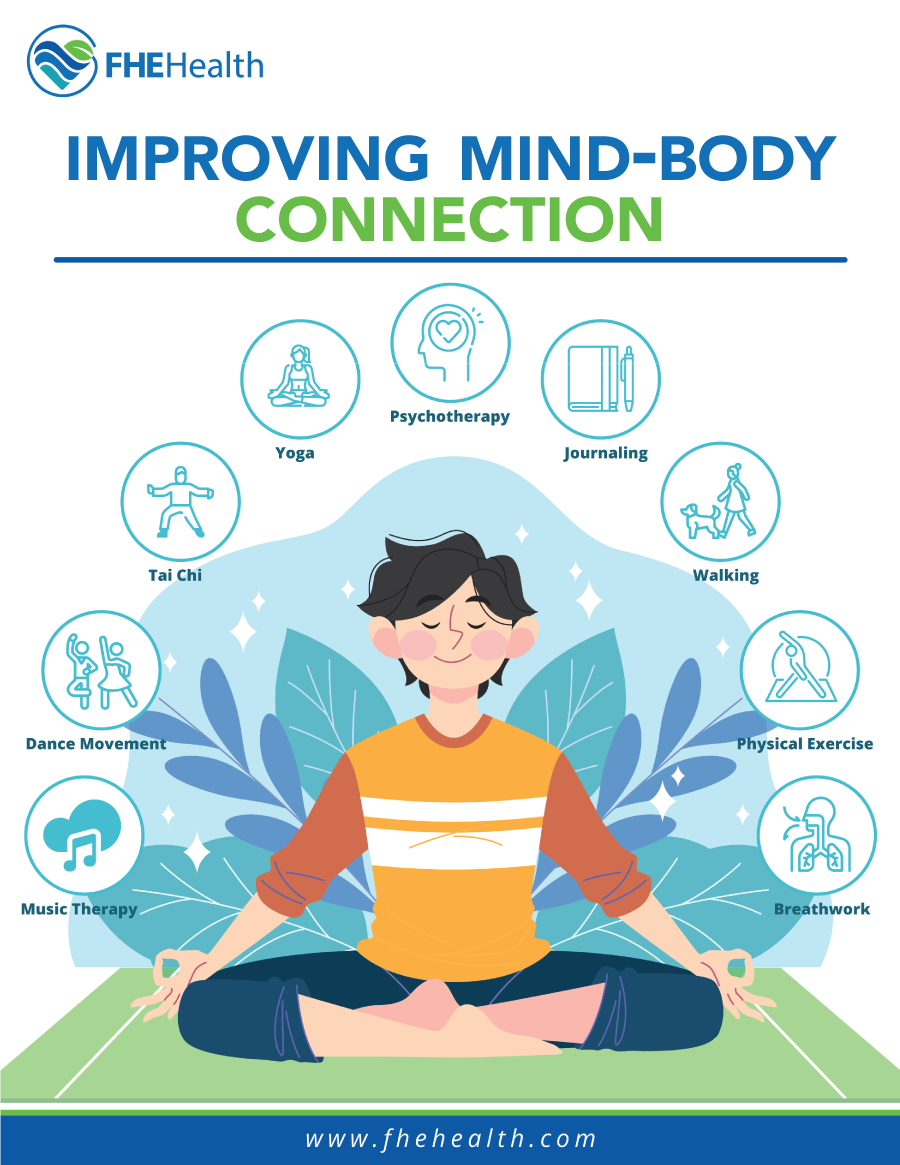
Living a healthier life means learning how to recover from stress, not eliminate it completely. Simple practices such as deep breathing, mindfulness, physical movement, time in nature, and structured rest calm the nervous system and reduce internal strain.
Advanced wellness recognizes that stress management is not a luxury—it is a biological necessity for sustainable health.
Daily Routines That Support a Healthier Life
A healthier life is shaped by daily routines rather than occasional effort. Consistent wake-up times, regular meals, daily movement, hydration, and rest periods help regulate the body’s internal systems.
Routines reduce decision fatigue and allow healthy behaviors to become automatic. When the body operates on predictable rhythms, energy stabilizes, mood improves, and resilience increases.
Advanced wellness focuses on building routines that fit real life rather than forcing rigid schedules that lead to burnout.
Why Balance Matters More Than Extremes
Extreme approaches to health often fail because they cannot be maintained. Extreme dieting, overexercising, or constant productivity create stress and imbalance rather than wellness.
A healthier life is built on moderation, self-awareness, and adaptability. Occasional disruption does not ruin health; long-term imbalance does. Returning to healthy routines after disruption is more important than never deviating at all.
Balance creates sustainability, and sustainability creates real health.
Preventive Wellness Through Lifestyle Alignment
Preventive wellness is a key theme in advanced health & wellness. A healthier life focuses on correcting imbalance early rather than waiting for disease. Fatigue, poor sleep, mood changes, or digestive discomfort are signals that lifestyle alignment needs attention.
Global health organizations emphasize prevention as the most effective way to reduce disease risk and improve quality of life. For evidence-based guidance on preventive health and wellness, readers can consult the World Health Organization:
👉 https://www.who.int/ (external dofollow link)
Learning to Live Healthier With Reliable Guidance
Living a healthier life requires reliable information, not trends. Understanding how nutrition, sleep, movement, and stress interact empowers individuals to make informed decisions.
For deeper insights into holistic wellness, preventive health strategies, and lifestyle balance, explore educational resources at:
👉 https://javahealth.blog/ (internal link)


Mental Resilience, Social & Environmental Health, Healthy Aging & Lifelong Vitality
Mental and Emotional Resilience: The Core of a Healthier Life
A healthier life is not only built on physical habits but also on mental and emotional resilience. Modern health science clearly shows that chronic stress, unresolved emotions, and mental overload can gradually damage physical health, even when diet and exercise appear adequate.
Mental resilience refers to the ability to adapt to stress, manage emotions, and recover from psychological challenges without prolonged imbalance. A healthier life supports mental health through adequate rest, emotional awareness, realistic expectations, and intentional breaks from constant stimulation. When the mind remains under continuous pressure, the nervous system stays in survival mode, disrupting digestion, sleep, immunity, and hormonal balance.
Emotional resilience does not mean suppressing feelings. It means understanding emotions, processing them constructively, and responding rather than reacting. People who develop emotional awareness tend to experience lower stress levels, improved relationships, and better long-term health outcomes. Mental and emotional balance act as protective factors against burnout, anxiety, and stress-related illness.
Social Health: Human Connection as a Health Requirement
Social health is a fundamental yet often overlooked pillar of a healthier life. Humans are biologically wired for connection, and meaningful relationships play a powerful role in emotional stability, immune strength, and longevity. Studies consistently show that people with supportive social connections tend to live longer and experience better mental health.
A healthier life does not require a large social circle, but it does require quality relationships. Trust, respect, and emotional safety reduce stress hormones and promote a sense of belonging. On the other hand, chronic loneliness, unresolved conflict, or toxic relationships increase stress, inflammation, and emotional strain.
Social health also involves boundaries. Protecting personal energy and stepping away from harmful dynamics is an important act of self-care. A healthier life includes nurturing supportive relationships while maintaining emotional independence and balance.
Environmental Health: How Your Surroundings Shape Well-Being
The environment in which you live and work has a direct impact on your health. Environmental health includes factors such as air quality, noise levels, lighting, cleanliness, digital exposure, and access to natural spaces. These elements influence stress levels, sleep quality, focus, and emotional regulation.
A healthier life is supported by environments that allow the nervous system to relax. Natural light, fresh air, greenery, organized spaces, and reduced noise help regulate stress responses. Even small changes—such as spending time outdoors, decluttering living spaces, or limiting screen use before bed—can significantly improve well-being.
Advanced wellness recognizes that health is not only about what you eat or how you move, but also about where and how you live. Designing supportive environments reduces mental load and promotes long-term balance.
Healthy Aging: Building a Healthier Future Today
Healthy aging is a natural outcome of a healthier life practiced consistently over time. Aging itself is inevitable, but the rate at which physical and mental decline occurs is strongly influenced by lifestyle choices. A healthier life supports aging by preserving mobility, cognitive function, emotional stability, and independence.
Regular movement helps maintain muscle mass, joint flexibility, and bone strength. Mental engagement through learning, creativity, and social interaction supports brain health. Emotional balance reduces the risk of anxiety and depression later in life. Together, these factors contribute to aging with vitality rather than limitation.
Advanced health & wellness emphasizes starting healthy habits early, as prevention compounds over time. A healthier life today becomes a healthier aging process tomorrow.
Purpose, Meaning, and Long-Term Wellness
Purpose is a powerful yet underestimated factor in health. People who feel a sense of meaning in life tend to experience lower stress, stronger immunity, and better emotional health. Purpose does not require major achievements; it can come from meaningful work, personal growth, relationships, creativity, or service.
A healthier life includes aligning daily actions with personal values. When actions and values are aligned, internal conflict decreases, reducing chronic stress and emotional strain. Purpose provides motivation to care for health consistently rather than temporarily.
Living with intention strengthens both mental and physical resilience over time.
Balance Over Extremes: The Sustainable Path to Health
One of the most important lessons in advanced wellness is that extremes undermine health. Extreme dieting, excessive exercise, constant productivity, or emotional suppression may appear disciplined, but they strain the body’s adaptive systems.
A healthier life is built on balance, moderation, and adaptability. Occasional disruptions do not damage health; persistent imbalance does. Returning to healthy routines after stress or setbacks is more important than avoiding disruption entirely.
Balance allows health to be sustained across different life stages and circumstances.
Preventive Living: The Ultimate Health Strategy
Preventive living is the essence of a healthier life. Instead of reacting to illness, preventive wellness focuses on early awareness and lifestyle alignment. Subtle signs such as fatigue, poor sleep, mood changes, digestive discomfort, or reduced motivation often indicate imbalance long before disease develops.
Global health authorities emphasize prevention as the most effective approach to reducing long-term disease risk and improving quality of life. For evidence-based guidance on preventive health, lifestyle balance, and well-being, readers can refer to the World Health Organization:
👉 https://www.who.int/ (external dofollow link)
Integrating Health Into Everyday Life
A healthier life is not built through isolated efforts—it is created through integration. When nutrition, sleep, movement, mental health, social connection, and environment work together, health becomes stable and self-reinforcing.
Consistency matters more than intensity. Small, repeatable habits practiced daily shape long-term outcomes far more effectively than drastic changes practiced briefly.
For readers who want to explore deeper insights into holistic wellness, preventive health, and lifestyle balance, visit:
👉 https://javahealth.blog/ (internal link)
Healthier Life as a Way of Living
A healthier life is not a destination you reach and maintain effortlessly—it is a way of living that evolves with time. It is built on awareness, balance, and intentional daily habits that support both body and mind.
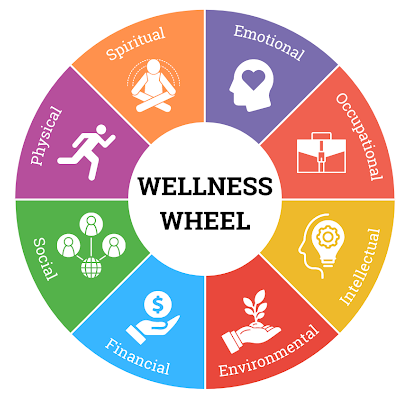
This advanced guide has shown that health is multidimensional. Physical habits, mental resilience, emotional balance, social connection, environment, and purpose all contribute to long-term well-being. When these elements are aligned, health becomes resilient rather than fragile.
In a world filled with pressure, misinformation, and extremes, choosing a healthier life means choosing sustainability over shortcuts. When health-supportive habits become part of everyday living, wellness stops being something you chase and becomes something you live—consistently, calmly, and confidently.

Healthier Life – Long & In-Depth FAQs
This extended FAQ section is written to add depth, clarity, and SEO authority to your blog on living a healthier life. Each answer is explained in clear paragraph style, aligned with advanced health & wellness principles, preventive care, and sustainable lifestyle habits.
1. What does living a healthier life truly mean?
Living a healthier life means maintaining balance across physical health, mental clarity, emotional stability, lifestyle habits, and environment. It is not about perfection or strict routines but about supporting the body and mind so they can function efficiently over time. A healthier life allows you to adapt to stress, recover from illness, and maintain energy and focus in daily life. It is a long-term process rather than a short-term goal.
2. Is a healthier life the same as being fit or slim?
No. Fitness and body weight are only small components of overall health. A person can be slim or physically fit yet struggle with poor sleep, chronic stress, digestive problems, or emotional imbalance. A healthier life includes fitness, but it also prioritizes mental well-being, recovery, immunity, and resilience. Health is measured by function and adaptability, not appearance.
3. How long does it take to start living a healthier life?
A healthier life does not begin on a specific date—it begins the moment consistent, supportive habits are introduced. Some benefits, such as improved energy or sleep, may appear within weeks. Deeper changes, such as hormonal balance, emotional resilience, and long-term disease prevention, develop over months or years. Health improves gradually through consistency rather than instant transformation.
4. Can small habits really create a healthier life?
Yes. Small habits practiced daily have a greater long-term impact than extreme changes practiced briefly. Regular sleep, balanced meals, daily movement, hydration, and stress awareness gradually strengthen the body’s systems. Over time, these habits compound, creating resilience and stability. A healthier life is built quietly through repetition.
5. How important is mental health in living a healthier life?
Mental health is essential. Chronic stress, anxiety, or emotional overload disrupt sleep, digestion, immunity, and hormonal balance. A healthier life supports mental clarity through rest, emotional awareness, reduced overstimulation, and meaningful routines. Mental balance allows better decision-making and supports physical healing.
6. Can emotional health affect physical health?
Absolutely. Emotions are closely connected to the nervous system. Suppressed or unmanaged emotions increase internal stress, which can lead to fatigue, digestive issues, weakened immunity, and sleep problems. A healthier life includes emotional awareness, healthy expression, and stress regulation, all of which protect physical well-being.
7. Is it possible to live a healthier life with a busy schedule?
Yes. A healthier life does not require extra hours—it requires better alignment. Simple habits such as consistent sleep, regular meals, short movement breaks, hydration, and mental pauses can fit into even busy schedules. In fact, people with demanding routines benefit the most from healthy structure and balance.
8. How does sleep contribute to a healthier life?
Sleep is one of the most powerful foundations of health. During sleep, the body repairs tissues, balances hormones, strengthens immunity, and restores brain function. Poor sleep undermines nearly every aspect of health. A healthier life prioritizes sleep quality and consistency rather than sacrificing rest for productivity.
9. Does nutrition alone guarantee a healthier life?
No. Nutrition is essential, but it works best when combined with good digestion, sleep, movement, and stress management. Even the healthiest diet cannot compensate for chronic stress or sleep deprivation. A healthier life focuses on overall lifestyle alignment rather than isolated habits.
10. How much physical activity is needed for a healthier life?
A healthier life requires regular movement, not extreme exercise. Walking, stretching, strength training, and moderate aerobic activity support circulation, metabolism, joint health, and mental well-being. Overtraining without recovery can harm health. Consistent, enjoyable movement is more beneficial than exhausting routines.
11. Why is stress management critical for long-term health?
Chronic stress keeps the body in survival mode, disrupting digestion, immunity, sleep, and hormonal balance. Over time, unmanaged stress increases the risk of chronic disease. A healthier life includes learning how to recover from stress through rest, movement, breathing, mindfulness, and boundaries.
12. Can social relationships influence how healthy my life is?
Yes. Social health is a key pillar of well-being. Supportive relationships reduce stress hormones, improve emotional resilience, and increase longevity. Chronic loneliness or toxic relationships increase stress and inflammation. A healthier life includes meaningful, respectful connections and healthy boundaries.
13. How does the environment affect living a healthier life?
Your surroundings influence stress levels, sleep quality, focus, and mood. Poor lighting, noise, clutter, and constant digital exposure strain the nervous system. Natural light, fresh air, greenery, and organized spaces support recovery and balance. A healthier life includes creating environments that support well-being.
14. Is a healthier life expensive to maintain?
No. Most health-supportive habits are low-cost or free. Regular sleep, walking, home-cooked meals, hydration, and stress awareness require consistency, not money. Ignoring health often leads to higher medical costs later. Prevention is far more affordable than treatment.
15. Can someone with a medical condition live a healthier life?
Yes. A medical diagnosis does not prevent someone from living a healthier life. In fact, lifestyle alignment often improves symptom management, recovery, and quality of life. Health is about function and balance, not the absence of diagnosis.
16. How does a healthier life support healthy aging?
Healthy aging is strongly influenced by lifestyle. Regular movement, mental engagement, emotional balance, and preventive care preserve mobility, cognitive function, and independence. A healthier life practiced consistently reduces the risk of early decline and supports vitality at every age.
17. Why is prevention emphasized in a healthier life?
Prevention addresses imbalance before disease develops. Early signs such as fatigue, poor sleep, mood changes, or digestive discomfort often appear years before chronic illness. Correcting lifestyle early reduces long-term health risks.
For global, evidence-based guidance on preventive health and wellness, readers can refer to the World Health Organization:
👉 https://www.who.int/ (external dofollow link)
18. What is the biggest mistake people make when trying to live healthier?
The biggest mistake is aiming for perfection or quick results. Extreme diets, rigid routines, and all-or-nothing thinking lead to burnout. A healthier life is built through flexibility, consistency, and returning to balance after disruption.
19. How can I stay consistent with a healthier lifestyle?
Consistency improves when habits are realistic and aligned with daily life. Start small, build routines gradually, and focus on progress rather than perfection. A healthier life becomes sustainable when habits feel supportive rather than restrictive.
20. What is the ultimate goal of living a healthier life?
The ultimate goal is long-term balance, resilience, and quality of life. A healthier life allows you to live with steady energy, mental clarity, emotional stability, and adaptability through life’s changes. Health becomes a foundation for living well—not something you constantly struggle to maintain.
Conclusion:
Living a healthier life is not about following strict rules, chasing short-term results, or trying to achieve perfection. It is a lifelong commitment to balance, awareness, and consistency. As this advanced guide has shown, true wellness is built by supporting the body, mind, and emotions together—through daily habits that are sustainable and adaptable over time.
A healthier life is reflected in steady energy, restorative sleep, emotional resilience, and the ability to manage stress without constant overwhelm. It means listening to your body’s signals, responding early to imbalance, and making informed lifestyle choices before health problems develop. Prevention, rather than reaction, becomes the foundation of long-term well-being.
Modern life often pushes people toward extremes—overwork, poor sleep, irregular eating, and chronic stress. Choosing a healthier life means choosing moderation over extremes, routine over chaos, and long-term thinking over quick fixes. Small habits practiced consistently—such as regular movement, balanced nutrition, mental rest, and emotional awareness—create powerful results when maintained over time.
Health is also deeply personal. A healthier life looks different at each stage of life, but the core principles remain the same: balance, adaptability, and self-care. Even individuals managing medical conditions can experience meaningful improvements in quality of life through supportive lifestyle habits.
For readers who want to continue learning about holistic wellness, preventive health, and sustainable lifestyle strategies, explore in-depth resources at:
👉 https://javahealth.blog/ (internal link)
For globally trusted, evidence-based guidance on health promotion, disease prevention, and well-being, you can also refer to the World Health Organization:
👉 https://www.who.int/ (external dofollow link)
Ultimately, a healthier life is not something you achieve once—it is something you practice every day. When health-supportive choices become part of your daily routine, wellness stops feeling like a struggle and becomes a natural, stable part of how you live.