Table of Contents
Introduction: Why Basic Rules Matter More Than Complex Health Trends
In today’s world, health advice is everywhere—diet plans, fitness challenges, supplements, and wellness trends promising fast results. Yet despite all this information, many people struggle with fatigue, stress, lifestyle diseases, and poor mental health. This highlights an important truth: good health does not depend on complexity—it depends on mastering basic rules consistently.
The 6 basic rules for good health are timeless principles that support physical strength, mental clarity, emotional balance, and long-term resilience. Advanced health & wellness research confirms that people who follow fundamental health rules daily experience fewer chronic illnesses, better energy levels, and improved quality of life.
This guide explains the six essential rules of good health in depth, focusing on prevention, sustainability, and balance, rather than short-term fixes.
Rule 1: Maintain a Balanced and Nourishing Diet
One of the most important basic rules for good health is eating a balanced and nourishing diet. Food is not just fuel—it is information that influences hormones, immunity, digestion, and brain function. A healthy diet supports every system in the body, from metabolism to emotional stability.
Advanced wellness emphasizes balance rather than restriction. Whole foods such as vegetables, fruits, whole grains, lean proteins, and healthy fats provide essential nutrients needed for cellular repair and energy production. Irregular eating, excessive processed foods, and extreme dieting disrupt blood sugar balance and increase inflammation.
Good health is supported not by perfection, but by consistent, mindful eating habits that nourish the body daily.
Rule 2: Prioritize Quality Sleep for Physical and Mental Health
Sleep is one of the most underestimated yet powerful rules of good health. During sleep, the body repairs tissues, balances hormones, strengthens immunity, and restores brain function. Without adequate sleep, even the best nutrition and exercise routines cannot protect long-term health.
Advanced health & wellness research shows that chronic sleep deprivation increases the risk of obesity, heart disease, diabetes, anxiety, and depression. Good health requires both sufficient sleep duration and consistent sleep timing to support circadian rhythms.
Maintaining regular sleep schedules, limiting screen exposure before bedtime, and creating a calm sleep environment are essential habits for sustaining health.
Rule 3: Engage in Regular Physical Activity Without Overexertion
Movement is a foundational rule of good health, but it does not require extreme workouts. Advanced wellness recognizes that regular, moderate physical activity is far more beneficial than occasional intense exercise.
Walking, stretching, strength training, yoga, and light cardiovascular activity improve circulation, muscle strength, joint mobility, and mental well-being. Physical activity also reduces stress hormones and supports emotional balance.
Overexercising without recovery places stress on the nervous system and weakens immunity. Good health is achieved when movement energizes the body rather than exhausts it.
Rule 4: Manage Stress to Protect Long-Term Health
Stress management is a non-negotiable rule of good health. Chronic stress affects digestion, sleep, immunity, hormonal balance, and cardiovascular health. Many lifestyle diseases are linked directly to unmanaged stress rather than poor nutrition alone.
Advanced wellness focuses on nervous system regulation. Practices such as deep breathing, mindfulness, time in nature, gentle movement, and emotional awareness help the body shift from survival mode to repair mode.
Good health requires regular stress recovery, not just stress avoidance.
Rule 5: Stay Consistently Hydrated
Hydration is a simple yet powerful health rule often overlooked. Water supports digestion, circulation, detoxification, joint health, temperature regulation, and brain function. Even mild dehydration can cause fatigue, headaches, poor focus, and digestive discomfort.
Good health requires drinking water consistently throughout the day, not only when thirst becomes intense. Herbal teas and natural fluids can support hydration, while excessive sugary drinks should be avoided.
Proper hydration allows every system in the body to function efficiently.
Rule 6: Practice Preventive Care and Healthy Daily Routines
The final and most critical rule of good health is prevention. Good health is not maintained by reacting to illness, but by preventing imbalance before disease develops. Early signs such as fatigue, poor sleep, digestive discomfort, or mood changes are signals that should not be ignored.
Preventive care includes regular health awareness, balanced routines, emotional well-being, and lifestyle alignment. Global health authorities emphasize prevention as the most effective strategy for long-term wellness. For evidence-based guidance on disease prevention and healthy living, refer to the World Health Organization:
👉 https://www.who.int/ (external dofollow link)
Learning Good Health the Right Way
In an age of misinformation, understanding basic health rules requires reliable and educational resources. Learning how daily habits influence long-term well-being empowers informed decision-making.
For practical, trustworthy content on holistic wellness, preventive health, and sustainable lifestyle habits, explore:
👉 https://javahealth.blog/ (internal link)


How the Rules Work Together, Common Mistakes & Practical Application
How the 6 Basic Rules Work Together as a Complete Health System
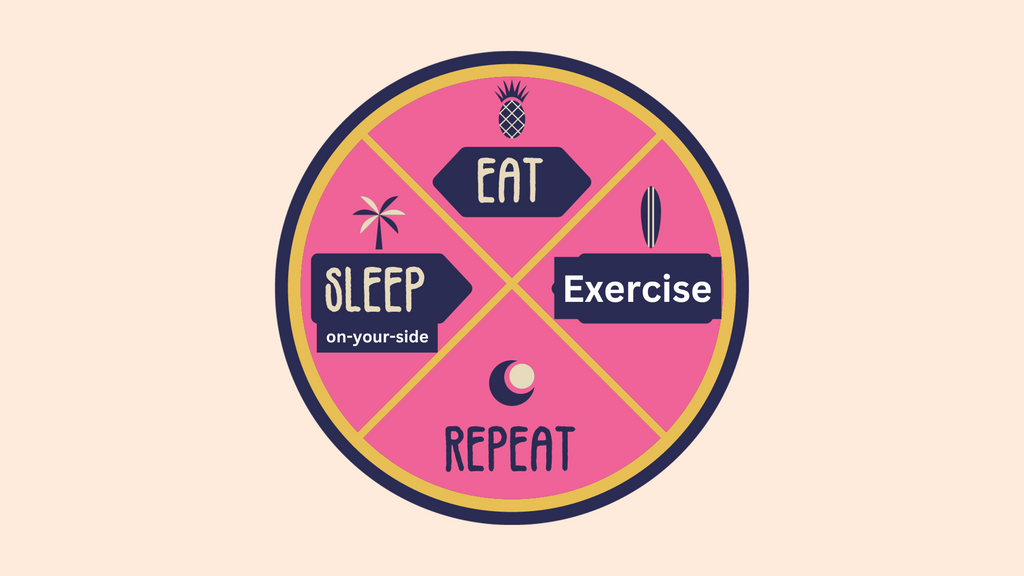
Good health is not achieved by following one rule in isolation. The six basic rules—balanced nutrition, quality sleep, regular movement, stress management, proper hydration, and preventive routines—work together as an interconnected system. When one area is neglected, others are affected. For example, poor sleep disrupts hunger hormones, increases stress, and reduces motivation to exercise. Similarly, chronic stress weakens digestion and sleep quality.
Advanced health & wellness research confirms that the body functions best when these rules are practiced consistently and simultaneously. Balance creates stability, and stability supports long-term wellness. Good health is not about doing everything perfectly but about maintaining harmony among these core principles.
Why Consistency Matters More Than Intensity
One of the most important lessons in advanced wellness is that consistency outweighs intensity. Many people follow strict health routines for short periods but abandon them due to burnout or unrealistic expectations. Good health is built quietly through small, repeatable habits practiced daily.
Eating well most of the time, sleeping consistently, moving regularly, managing stress, and staying hydrated provide stronger long-term benefits than extreme routines followed briefly. The body responds better to predictable care than to sudden, intense changes.
Common Mistake 1: Focusing Only on Diet or Exercise
A common mistake is believing that diet or exercise alone can guarantee good health. While both are essential, they cannot compensate for poor sleep, chronic stress, or emotional imbalance. Advanced wellness emphasizes lifestyle integration, not isolated habits.
People who eat well but sleep poorly or live under constant stress often struggle with fatigue, weight changes, or weakened immunity. Good health requires addressing all six rules together.
Common Mistake 2: Ignoring Early Warning Signs
Fatigue, headaches, digestive discomfort, mood changes, and sleep problems are often ignored or normalized. However, these symptoms are early signals of imbalance. Good health depends on responding early rather than waiting for illness to develop.
Preventive health strategies encourage listening to the body and making small adjustments before problems become severe. Early intervention protects long-term well-being.
Common Mistake 3: Choosing Extreme or Unsustainable Routines
Extreme diets, excessive workouts, rigid schedules, or constant productivity often undermine health rather than support it. These approaches increase stress hormones and disrupt natural rhythms.
Advanced health & wellness promotes moderation and adaptability. Good health thrives on routines that can be maintained comfortably over time, not on temporary extremes.
Applying the 6 Basic Rules in Modern Daily Life
Modern lifestyles are busy, digitally driven, and often stressful. Applying the six basic rules requires intentional choices rather than perfection. Simple practices such as consistent sleep times, home-cooked meals, walking breaks, hydration reminders, and mental rest periods make a significant difference.
Good health does not require hours of extra effort. It requires aligning daily routines with the body’s natural needs.
Mental and Emotional Health as Daily Health Practices
Mental and emotional well-being influence posture, breathing, digestion, and immunity. Chronic emotional stress increases inflammation and weakens physical resilience. Managing emotions through awareness, communication, and healthy boundaries is essential for maintaining good health.
Advanced wellness recognizes emotional regulation as a physical health strategy rather than a psychological luxury.
Social and Environmental Support for Good Health
Supportive relationships and healthy environments reinforce the six basic rules. Positive social connections reduce stress and improve emotional stability. Clean, organized, and natural environments support calmness and recovery.
Good health is easier to maintain when surroundings align with wellness goals.
Preventive Health: The Long-Term Benefit of Following the Rules
Preventive care is the most powerful outcome of following the six basic rules. Addressing imbalances early reduces the risk of chronic diseases such as heart disease, diabetes, obesity, and stress-related disorders.
Global health organizations consistently emphasize prevention as the most effective health strategy. For evidence-based guidance on prevention and healthy living, refer to the World Health Organization:
👉 https://www.who.int/ (external dofollow link)
Learning and Maintaining Good Health the Right Way
Reliable information is essential for practicing good health. Understanding how basic rules affect the body empowers individuals to make informed choices.
For practical resources on holistic wellness, preventive health, and sustainable lifestyle habits, visit:
👉 https://javahealth.blog/ (internal link)

5
6 Basic Rules for Good Health – Part 3 (Advanced & Long)
Long-Term Benefits, Healthy Aging, FAQs & Sustainable Wellness
Long-Term Benefits of Following the 6 Basic Rules for Good Health
When the six basic rules for good health are practiced consistently, their benefits extend far beyond short-term energy or weight management. Over time, these rules strengthen the body’s natural ability to heal, adapt, and protect itself. Balanced nutrition supports cellular repair, quality sleep restores hormonal balance, regular movement maintains physical strength, stress management protects the nervous system, hydration supports every organ, and preventive routines reduce disease risk.
Advanced health & wellness research confirms that people who follow foundational health rules experience improved immunity, better mental clarity, stable emotions, and reduced risk of lifestyle-related diseases. These benefits compound over years, leading to a higher quality of life rather than temporary improvements.
Good health is not built overnight—it is the result of daily alignment with these basic principles.
Healthy Aging: How the 6 Rules Protect You Over Time
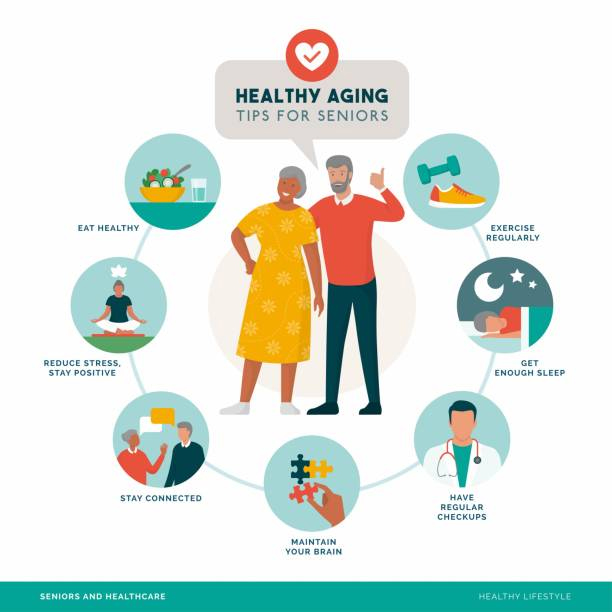
Healthy aging is not accidental; it is the outcome of long-term lifestyle choices. The six basic rules for good health play a crucial role in maintaining mobility, cognitive function, emotional balance, and independence as people age.
Regular movement preserves muscle mass and joint flexibility, reducing the risk of falls and chronic pain. Balanced nutrition supports bone health, brain function, and immune strength. Quality sleep protects memory and emotional stability. Stress management lowers the risk of heart disease and mental decline. Hydration supports circulation and digestion, while preventive care detects issues early.
By following these rules consistently, aging becomes a process of maintaining function and dignity, not simply avoiding disease.
Why Prevention Is the Strongest Health Strategy
Prevention is the most powerful benefit of following the six basic rules for good health. Most chronic illnesses develop slowly due to years of imbalance. Early warning signs—such as fatigue, poor sleep, digestive discomfort, mood changes, or recurring infections—often appear long before diagnosis.
Responding to these signals early through lifestyle adjustments protects long-term health. Preventive habits reduce healthcare costs, improve quality of life, and minimize dependency later in life.
Global health authorities strongly emphasize prevention as the foundation of public health. For evidence-based guidance on disease prevention and healthy living, refer to the World Health Organization:
👉 https://www.who.int/ (external dofollow link)
Mental and Emotional Stability Through Basic Health Rules
Mental and emotional health are deeply connected to physical well-being. Chronic stress, unresolved emotions, and mental overload disrupt sleep, digestion, immunity, and hormonal balance. The six basic rules support mental health by stabilizing the nervous system and reducing internal stress.
Adequate sleep improves emotional regulation, balanced nutrition stabilizes mood, physical activity reduces anxiety, hydration supports brain function, and preventive routines reduce uncertainty about health. Emotional resilience grows naturally when the body feels supported.
Good health is easier to maintain when the mind feels calm and stable.
Lifestyle Balance in a Modern, Busy World
Modern lifestyles are fast-paced and digitally demanding, making health maintenance challenging. However, the six basic rules are flexible enough to fit modern life. They do not require perfection—only intention and consistency.
Simple adjustments such as setting regular sleep times, preparing basic meals, taking walking breaks, practicing brief relaxation techniques, and staying hydrated can significantly improve health outcomes. The goal is not to control life but to support the body within real-life conditions.
Sustainable health adapts to life, not the other way around.
ventive health, and sustainable lifestyle habits, explore:
👉 https://javahealth.blog/ (internal link)
Learning and Maintaining Good Health With Reliable Guidance
In an era of health misinformation, understanding basic principles from trusted sources is essential. Knowledge empowers better decisions and prevents reliance on extreme or harmful trends.
For practical, trustworthy content on holistic wellness, preventive health, and sustainable lifestyle habits, explore:
👉 https://javahealth.blog/ (internal link)
Long & Detailed FAQs
1. What are the 6 basic rules for good health?
The six basic rules for good health include balanced nutrition, quality sleep, regular physical activity, effective stress management, proper hydration, and preventive care. Together, these rules support physical strength, mental clarity, emotional balance, and long-term resilience. They form a complete foundation for healthy living at any age.
2. Why are basic health rules more effective than complex health plans?
Basic health rules are effective because they are sustainable and adaptable. Complex plans often fail due to burnout or unrealistic expectations. The body responds best to consistent, simple habits practiced daily rather than extreme routines followed temporarily.
3. Can following basic health rules really prevent disease?
Yes. Many chronic diseases develop due to long-term lifestyle imbalance. Following basic health rules helps regulate blood sugar, hormones, immunity, and stress levels, significantly reducing the risk of conditions such as heart disease, diabetes, obesity, and stress-related disorders.
4. How does balanced nutrition support overall health?
Balanced nutrition provides essential nutrients that support digestion, metabolism, immune function, and brain health. Eating a variety of whole foods helps maintain stable energy levels and reduces inflammation. Consistency matters more than perfection.
5. Is sleep really that important for good health?
Absolutely. Sleep is when the body repairs tissues, balances hormones, strengthens immunity, and restores mental function. Poor sleep weakens the benefits of nutrition and exercise. Quality and consistency of sleep are essential for long-term health.
6. How much physical activity is enough for good health?
Good health does not require extreme exercise. Regular moderate activity such as walking, stretching, strength training, or yoga is sufficient to support circulation, muscle strength, joint health, and mental well-being. Overexercising can be harmful if recovery is ignored.
7. Why is stress management considered a basic health rule?
Chronic stress disrupts digestion, sleep, immunity, and hormonal balance. Managing stress allows the nervous system to shift into repair mode, protecting long-term physical and mental health. Stress management is essential, not optional.
8. How does hydration affect overall health?
Water supports circulation, digestion, detoxification, joint lubrication, temperature regulation, and brain function. Even mild dehydration can cause fatigue, headaches, and poor focus. Consistent hydration is a simple yet powerful health habit.
9. What does preventive care mean in daily life?
Preventive care involves recognizing early signs of imbalance—such as fatigue, sleep problems, or digestive discomfort—and responding before illness develops. It also includes maintaining healthy routines and staying informed about your health.
10. Are these rules suitable for all age groups?
Yes. The six basic rules apply to children, adults, and older individuals, with adjustments based on age, health status, and activity level. These principles support healthy growth, maintenance, and aging.
11. Can someone with a medical condition follow these rules?
Yes. These rules complement medical treatment and improve quality of life. Balanced nutrition, sleep, stress management, and gentle movement support recovery and symptom control even in chronic conditions.
12. How long does it take to see health improvements?
Some benefits, such as better energy or sleep, may appear within weeks. Long-term benefits like improved immunity and metabolic balance develop over months. Consistency is key.
13. Is it necessary to follow all six rules perfectly?
No. Progress matters more than perfection. Even partial improvements can significantly benefit health. The goal is gradual, sustainable change rather than strict control.
14. What is the most common mistake people make with health rules?
The most common mistake is focusing on extremes—extreme diets, overexercising, or rigid routines. These approaches increase stress and often lead to burnout. Balance and moderation are essential.
15. How do mental and emotional health affect physical health?
Mental and emotional stress directly affects the nervous system, digestion, sleep, and immunity. Emotional balance helps stabilize physical systems, making it easier to maintain good health.
16. Can basic health rules help with mental clarity and focus?
Yes. Adequate sleep, hydration, nutrition, and stress management improve brain function, memory, and concentration. Physical movement also enhances mental clarity.
17. How do daily routines support good health?
Routines stabilize the body’s internal rhythms, reduce decision fatigue, and support hormonal balance. Consistent sleep, meal times, movement, and rest make healthy choices easier to maintain.
18. Are basic health rules expensive to follow?
No. Most basic health practices—such as sleep, walking, hydration, stress reduction, and home-prepared meals—are low-cost or free. Preventive care reduces long-term medical expenses.
19. Where can I learn reliable information about good health?
Reliable information comes from evidence-based sources and educational health platforms. For global guidance on prevention and healthy living, refer to the World Health Organization:
👉 https://www.who.int/ (external dofollow link)
For practical, easy-to-understand wellness content and lifestyle guidance, visit:
👉 https://javahealth.blog/ (internal link)
20. What is the ultimate purpose of the 6 basic rules for good health?
The ultimate purpose is to create a balanced, sustainable, and resilient lifestyle. These rules help individuals maintain energy, prevent disease, age healthily, and improve quality of life over the long term.
Conclusion:
Good health is not built through shortcuts, extreme routines, or temporary motivation. It is created by consistently following simple, proven principles that support the body and mind over time. The six basic rules for good health—balanced nutrition, quality sleep, regular physical activity, effective stress management, proper hydration, and preventive care—work together as a complete system for long-term well-being.
When these rules are practiced daily, the body becomes more resilient, energy levels stabilize, immunity strengthens, and mental clarity improves. Rather than reacting to illness, individuals who follow these principles focus on prevention, addressing early signs of imbalance before they develop into serious health conditions. This proactive approach protects both physical and emotional health across all stages of life.
Modern health science confirms that balance is more effective than extremes. Sustainable routines that fit real life are far more powerful than rigid plans that lead to burnout. Small, consistent habits practiced over time create lasting results, allowing health to become stable rather than fragile.
Mental and emotional well-being are equally important. Managing stress, maintaining supportive relationships, and creating healthy environments reinforce the benefits of these basic rules. Together, they help individuals adapt to life’s challenges without compromising their health.
For continued learning on holistic wellness, preventive health, and sustainable lifestyle strategies, explore trusted resources at:
👉 https://javahealth.blog/ (internal link)
For globally recognized, evidence-based guidance on health promotion and disease prevention, refer to the World Health Organization:
👉 https://www.who.int/ (external dofollow link)
Ultimately, the six basic rules for good health are not temporary guidelines—they are lifelong principles. When followed with consistency and awareness, they transform health from a daily struggle into a natural, balanced way of living that supports energy, clarity, and long-term well-being.