Table of Contents


Get Healthy, Stay Healthy: An Advanced Health & Wellness Guide for Long-Term Well-Being
Introduction: Understanding the True Meaning of “Get Healthy, Stay Healthy”
Many people focus on getting healthy but struggle with staying healthy. This is because short-term efforts—such as crash diets, intense workout plans, or temporary lifestyle changes—may improve health briefly but rarely lead to lasting well-being. The concept of “get healthy, stay healthy” represents a shift from temporary fixes to long-term lifestyle alignment.
Advanced health & wellness emphasizes that health is not an event; it is a continuous process. Getting healthy involves restoring balance, while staying healthy requires maintaining that balance through consistent habits, awareness, and prevention. True wellness is achieved when the body and mind function efficiently, recover quickly, and adapt smoothly to life’s demands.
This comprehensive guide explores how to get healthy and stay healthy using evidence-based principles that support physical vitality, mental clarity, emotional balance, and long-term resilience.
Getting Healthy Begins With Awareness, Not Perfection
The first step to getting healthy is awareness. Many health issues develop gradually due to ignored signals such as fatigue, poor sleep, stress, digestive discomfort, or low energy. These signs are not normal inconveniences; they are early indicators that the body needs support.
Getting healthy does not require perfection or extreme discipline. It requires listening to the body, understanding its needs, and responding consistently. Advanced wellness encourages self-awareness over self-criticism. When the body feels supported, it functions more efficiently and communicates more clearly.
Awareness is the foundation that allows health to be restored and maintained.
Nutrition: The Foundation of Getting and Staying Healthy
Nutrition plays a central role in both getting healthy and staying healthy. However, advanced wellness views nutrition as nourishment rather than restriction. The goal is not to eliminate foods aggressively but to fuel the body in a balanced, sustainable way.
Whole foods such as vegetables, fruits, whole grains, lean proteins, and healthy fats provide essential nutrients that support immunity, digestion, metabolism, and cellular repair. Regular meal timing stabilizes blood sugar and energy levels, while mindful eating improves digestion and nutrient absorption.
Staying healthy requires consistency in nutrition rather than temporary dietary changes. Extreme diets may lead to short-term results, but balanced eating supports long-term wellness.
Hydration: A Simple Habit That Supports Total Health
Hydration is one of the most overlooked yet powerful habits for getting and staying healthy. Water supports circulation, digestion, detoxification, joint lubrication, temperature regulation, and cognitive function.
Even mild dehydration can cause fatigue, headaches, poor focus, and digestive discomfort. Staying healthy means drinking water regularly throughout the day rather than waiting until thirst becomes intense. Herbal teas and natural fluids can support hydration, while excessive sugary drinks and caffeine should be limited.
Hydration allows every system in the body to function more efficiently.
Sleep: The Key to Staying Healthy Long-Term
Sleep is essential for both recovery and prevention. During sleep, the body repairs tissues, balances hormones, strengthens immunity, and restores brain function. Chronic sleep deprivation quietly undermines health, even in people who eat well and exercise regularly.
Getting healthy often requires restoring sleep quality, while staying healthy depends on maintaining consistent sleep routines. Going to bed and waking up at the same time daily supports circadian rhythms and hormonal balance.
Advanced health & wellness treats sleep as a biological necessity, not a lifestyle choice.
Movement: Supporting Health Without Burnout
Movement is essential for getting healthy, but it must be balanced to stay healthy. Advanced wellness emphasizes regular, moderate movement rather than extreme exercise routines.
Walking, stretching, strength training, yoga, and light cardiovascular activity improve circulation, muscle strength, joint mobility, metabolism, and mental well-being. Overtraining without recovery increases stress hormones and weakens immunity, making it harder to stay healthy long-term.
Movement should energize the body, not exhaust it.
Mental Health: A Core Pillar of Staying Healthy
Mental health is inseparable from physical health. Chronic stress, anxiety, and emotional overload disrupt sleep, digestion, immunity, and hormonal balance. Getting healthy often begins with reducing mental strain, while staying healthy requires ongoing stress management.
Advanced wellness encourages practices that calm the nervous system, such as mindfulness, breathing exercises, time in nature, and mental rest. Emotional awareness and realistic expectations protect both mental and physical health.
A calm, balanced mind allows the body to heal and function optimally.
Emotional Balance and Lifestyle Stability
Emotional health influences posture, breathing, digestion, and immune function. Suppressed emotions create internal stress that eventually affects physical health.
Getting healthy includes learning to recognize emotions, while staying healthy means processing them constructively. Emotional balance supports resilience, clarity, and long-term stability.
Healthy boundaries, self-compassion, and supportive relationships are essential lifestyle factors for staying healthy.
Prevention: The Secret to Staying Healthy
Prevention is the defining principle of long-term wellness. Getting healthy may involve correcting imbalance, but staying healthy depends on preventive habits that protect the body before illness develops.
Early signs such as persistent fatigue, sleep disturbances, mood changes, or digestive discomfort should never be ignored. Addressing these signals early reduces the risk of chronic disease.
Global health authorities emphasize prevention as the most effective health strategy. For evidence-based guidance on disease prevention and healthy living, refer to the World Health Organization:
👉 https://www.who.int/ (external dofollow link)
Consistency Over Intensity: The Rule of Staying Healthy
One of the most important lessons in advanced health & wellness is that consistency matters more than intensity. Small habits practiced daily are more powerful than extreme efforts practiced occasionally.
Staying healthy means maintaining routines that fit real life rather than forcing rigid systems that lead to burnout. Flexibility combined with consistency creates sustainability.
Health improves quietly over time when habits are repeated regularly.
Learning How to Stay Healthy the Right Way
With so much conflicting information online, learning how to get healthy and stay healthy requires reliable, evidence-based guidance.
For practical insights on holistic wellness, preventive health, and sustainable lifestyle strategies, explore:
👉 https://javahealth.blog/ (internal link)
Get Healthy, Stay Healthy
Gut Health, Stress Science, Sleep Optimization & Physical Resilience
Gut Health: The Hidden Engine Behind Getting and Staying Healthy
One of the most important yet underestimated aspects of getting healthy and staying healthy is gut health. The digestive system is responsible not only for nutrient absorption but also for immune regulation, hormone signaling, energy production, and even mental well-being. Modern health research shows that a well-functioning gut supports nearly every system in the body.
Getting healthy often begins with improving digestion. Irregular eating, chronic stress, poor sleep, and highly processed foods weaken digestive efficiency. This can lead to bloating, fatigue, nutrient deficiencies, and frequent illness. Staying healthy requires maintaining digestive balance through regular meals, proper hydration, mindful eating, and stress control.
A healthy gut allows the body to extract maximum benefit from food, reducing inflammation and supporting long-term wellness.
Nutrition Quality Over Diet Trends
Advanced health & wellness emphasizes that diet trends do not create lasting health. Getting healthy may require dietary adjustments, but staying healthy depends on sustainable nutrition habits rather than short-term plans.
Whole, minimally processed foods support gut health, metabolic balance, and immune strength. Fiber-rich foods promote digestive regularity, while healthy fats support hormone production and brain function. Consistency in meal timing helps regulate blood sugar and energy levels.
Extreme restriction may produce quick results, but it often disrupts digestion and increases stress. Balanced nutrition supports both physical health and mental stability over time.
Stress Science: Why Staying Healthy Depends on Nervous System Balance
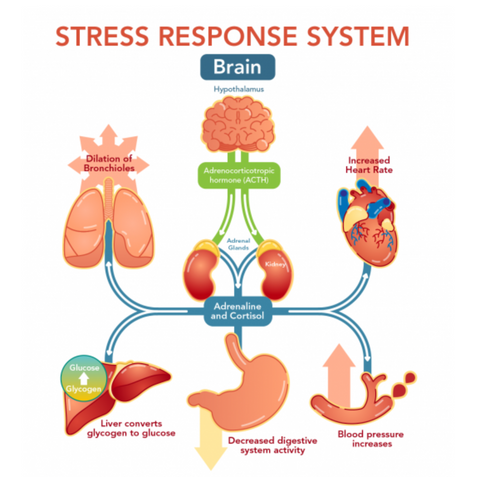
Stress is not just an emotional experience—it is a physiological process that affects every organ system. One of the most critical principles of staying healthy is learning how to regulate the nervous system.
Chronic stress keeps the body in a fight-or-flight state, reducing digestion, weakening immunity, disrupting sleep, and increasing inflammation. Getting healthy often requires reducing stress load, while staying healthy depends on ongoing stress recovery.
Practices such as deep breathing, gentle movement, mindfulness, time in nature, and mental rest help the nervous system shift into a repair state. This allows the body to heal, restore energy, and maintain balance.
Sleep Optimization: Moving Beyond “Enough Hours”
Sleep quality is more important than sleep quantity alone. Getting healthy may require correcting sleep debt, but staying healthy depends on consistent, high-quality sleep.
Sleep regulates hormones, immune response, metabolism, and brain function. Irregular sleep patterns disrupt circadian rhythms, leading to fatigue, poor focus, and increased disease risk. Advanced wellness recommends consistent sleep and wake times, reduced screen exposure at night, and calming pre-sleep routines.
When sleep is optimized, other health habits become easier to maintain.
Circadian Health: Aligning With the Body’s Natural Clock
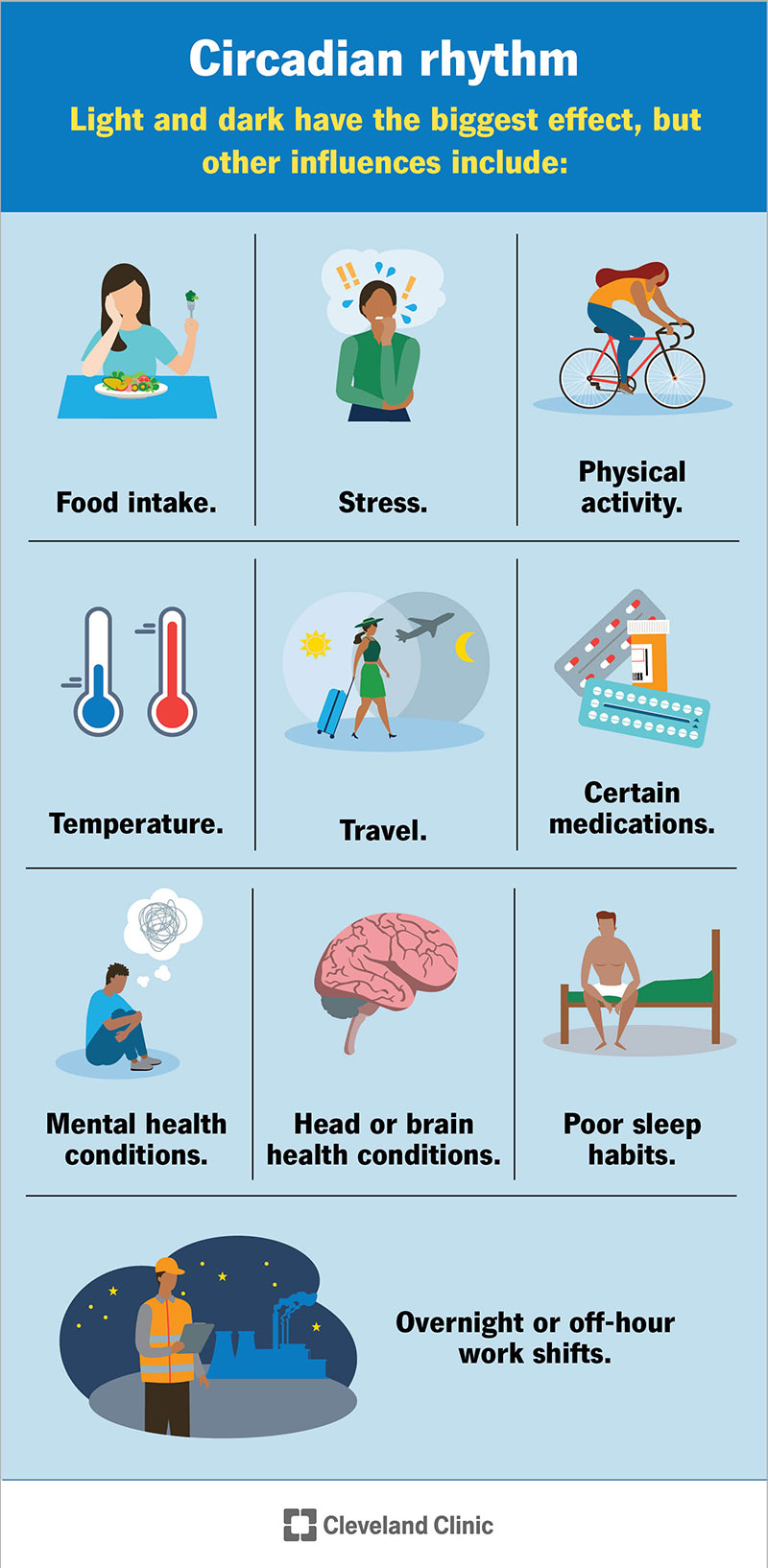
The body operates on internal clocks known as circadian rhythms. These rhythms influence sleep, digestion, energy levels, and hormone release. Getting healthy often involves realigning disrupted rhythms, while staying healthy requires maintaining that alignment.
Late-night eating, irregular schedules, and constant artificial light interfere with circadian balance. Aligning daily routines with natural light-dark cycles improves metabolic health, mood stability, and immune function.
Circadian alignment is a powerful but often overlooked factor in long-term wellness.
Physical Resilience: Staying Healthy Without Injury
Getting healthy may involve increasing activity, but staying healthy requires protecting the body from injury and burnout. Physical resilience refers to the body’s ability to move, adapt, and recover without breakdown.
Balanced movement strengthens muscles, joints, and connective tissue while improving circulation and coordination. Rest days, proper posture, and gradual progression prevent injury and chronic pain. Overtraining or ignoring recovery increases inflammation and weakens immunity.
Sustainable movement supports health for decades, not just short-term goals.
Recovery as a Health Strategy
Recovery is not inactivity—it is active restoration. Stretching, light movement, quality sleep, hydration, and mental rest allow the body to rebuild stronger after effort.
Advanced health & wellness recognizes recovery as essential for staying healthy long-term. Without recovery, the body remains under stress even when healthy habits are present.
Rest is when progress becomes permanent.
Daily Routines That Protect Long-Term Health
Staying healthy depends on predictable routines that reduce decision fatigue and support internal balance. Regular meal times, consistent sleep schedules, daily movement, hydration, and mental breaks stabilize hormones and energy levels.
Routines do not need to be rigid. Flexibility within structure allows habits to adapt to real life while maintaining health benefits.
Simple routines practiced daily outperform complex systems practiced occasionally.
Prevention as the Core of Staying Healthy
Preventive care separates people who temporarily get healthy from those who stay healthy. Early signs such as fatigue, poor sleep, mood changes, or digestive discomfort are signals—not inconveniences.
Addressing imbalance early reduces the risk of chronic disease and long-term decline. Global health authorities consistently emphasize prevention as the most effective health strategy. For evidence-based guidance on disease prevention and healthy living, refer to the World Health Organization:
👉 https://www.who.int/ (external dofollow link)
Learning How to Stay Healthy With Reliable Knowledge
Staying healthy requires accurate, science-based information rather than trends. Understanding how sleep, stress, nutrition, movement, and recovery interact allows informed decisions.
For practical education on holistic wellness, preventive health, and sustainable lifestyle habits, explore:
👉 https://javahealth.blog/ (internal link)

Mental & Emotional Resilience, Social and Environmental Health, Healthy Aging & Lifelong Wellness
Mental and Emotional Resilience: The Core of Staying Healthy
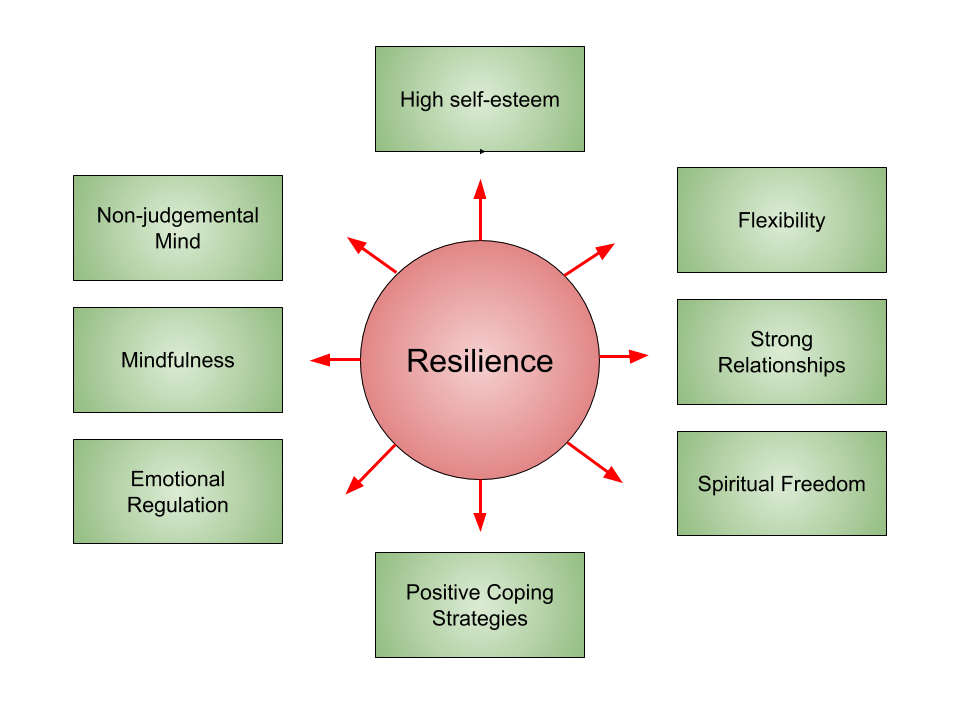
One of the most overlooked truths about long-term health is that mental and emotional resilience determine how well the body ages, heals, and adapts. Getting healthy often focuses on physical changes, but staying healthy depends heavily on how well the mind manages stress, pressure, and emotional challenges.
Chronic stress, unresolved emotions, and constant mental overload keep the body in a survival state. This disrupts digestion, sleep, immunity, and hormone balance. Advanced health & wellness shows that people who develop emotional regulation skills experience fewer stress-related illnesses and recover more quickly from setbacks.
Staying healthy means creating mental space for rest, reflection, and emotional processing. Practices such as mindfulness, journaling, gratitude, and quiet time help regulate the nervous system and protect physical health over time.
Emotional Balance as a Physical Health Strategy
Emotions are not separate from the body—they are biological responses that affect breathing, muscle tension, heart rate, and digestion. Suppressed emotions increase internal stress, often leading to headaches, fatigue, gut problems, and sleep disturbances.
Getting healthy may involve recognizing emotional patterns, while staying healthy requires processing emotions in a safe and constructive way. Emotional balance supports immunity, cardiovascular health, and mental clarity.
When emotions are acknowledged rather than ignored, the body remains more relaxed and resilient.
Social Health: Why Relationships Matter for Staying Healthy
Social connection is a powerful yet underestimated factor in long-term wellness. Research consistently shows that supportive relationships reduce stress hormones, improve immune response, and increase life expectancy.
Staying healthy does not require large social circles; it requires meaningful, emotionally safe connections. Healthy relationships provide emotional support, reduce loneliness, and help regulate stress responses.
Equally important is setting boundaries. Protecting emotional energy from toxic or draining interactions is a form of self-care that supports both mental and physical health.
Environmental Health: Shaping Spaces That Support Wellness
The environment plays a silent but constant role in health. Light exposure, air quality, noise levels, clutter, and digital overload all affect the nervous system and stress levels.
Getting healthy may involve reducing environmental stress, while staying healthy means maintaining supportive surroundings. Natural light supports circadian rhythms, fresh air improves oxygenation, and greenery calms the mind.
Simple environmental changes—such as decluttering, reducing screen time, or spending time outdoors—can significantly improve long-term wellness.
Healthy Aging: The Outcome of Staying Healthy
Healthy aging is not a matter of luck; it is the cumulative result of lifestyle habits practiced over time. Getting healthy may restore energy in the short term, but staying healthy preserves mobility, strength, cognitive function, and independence as life progresses.
Regular movement maintains muscle mass and joint health. Mental stimulation supports brain function. Emotional balance reduces anxiety and depression with age. Preventive habits slow the development of chronic disease.
Advanced wellness focuses on aging with function and dignity, not merely extending lifespan.
Purpose and Meaning: An Overlooked Health Factor
A sense of purpose has a measurable impact on long-term health. People who feel their lives have meaning tend to experience lower stress, better immune function, and stronger mental resilience.
Purpose does not need to be extraordinary. It can come from learning, relationships, creativity, service, or personal growth. Staying healthy becomes easier when daily actions align with personal values.
Purpose gives motivation to maintain healthy habits even during challenging times.
Balance Over Extremes: The Key to Staying Healthy
Extreme diets, overexercising, constant productivity, and rigid routines often lead to burnout rather than wellness. Staying healthy requires balance, flexibility, and adaptability.
Advanced health & wellness emphasizes moderation over extremes. Occasional disruptions do not damage health; chronic imbalance does. The ability to return to supportive routines after stress is far more important than maintaining perfection.
Balance allows wellness to be sustained for life.
Prevention: The Most Powerful Way to Stay Healthy
Prevention is the foundation of long-term health. Early signs such as fatigue, poor sleep, digestive discomfort, or mood changes are the body’s way of requesting support.
Addressing these signals early reduces the risk of chronic illness and long-term decline. Global health authorities emphasize prevention as the most effective health strategy. For evidence-based guidance on disease prevention and healthy living, refer to the World Health Organization:
👉 https://www.who.int/ (external dofollow link)
Learning to Stay Healthy With Reliable Information
Staying healthy requires accurate, evidence-based knowledge rather than trends or misinformation. Understanding how lifestyle habits interact empowers informed decision-making.
For practical, trustworthy content on holistic wellness, preventive health, and sustainable lifestyle strategies, explore:
👉 https://javahealth.blog/ (internal link)
Long & Detailed FAQs
1. What does “get healthy, stay healthy” really mean?
“Get healthy, stay healthy” means restoring balance in the body and maintaining it consistently over time. Getting healthy involves correcting lifestyle imbalances such as poor sleep, stress, or nutrition, while staying healthy requires preventive habits that protect well-being long after improvements appear. It emphasizes sustainability rather than short-term results.
2. Why do many people get healthy but fail to stay healthy?
Many people focus on intense short-term efforts like crash diets or extreme exercise plans. These approaches may produce quick results but are difficult to maintain. Staying healthy requires realistic routines, emotional balance, stress management, and flexibility that fit everyday life.
3. How long does it take to get healthy?
The time needed to get healthy varies depending on individual lifestyle, stress levels, sleep quality, and consistency. Some improvements, such as better energy or digestion, may appear within weeks, while deeper changes like metabolic balance take months. Staying healthy depends on ongoing commitment rather than timelines.
4. Is staying healthy harder than getting healthy?
Staying healthy is often more challenging because it requires consistency rather than motivation. Motivation fluctuates, but habits sustain health. Staying healthy becomes easier when routines are enjoyable, flexible, and aligned with real-life responsibilities.
5. Can small habits really help me stay healthy long-term?
Yes. Small habits practiced daily have the greatest long-term impact. Consistent sleep schedules, hydration, regular movement, stress breaks, and balanced meals gradually strengthen the body’s systems and support resilience.
6. Is nutrition the most important factor in staying healthy?
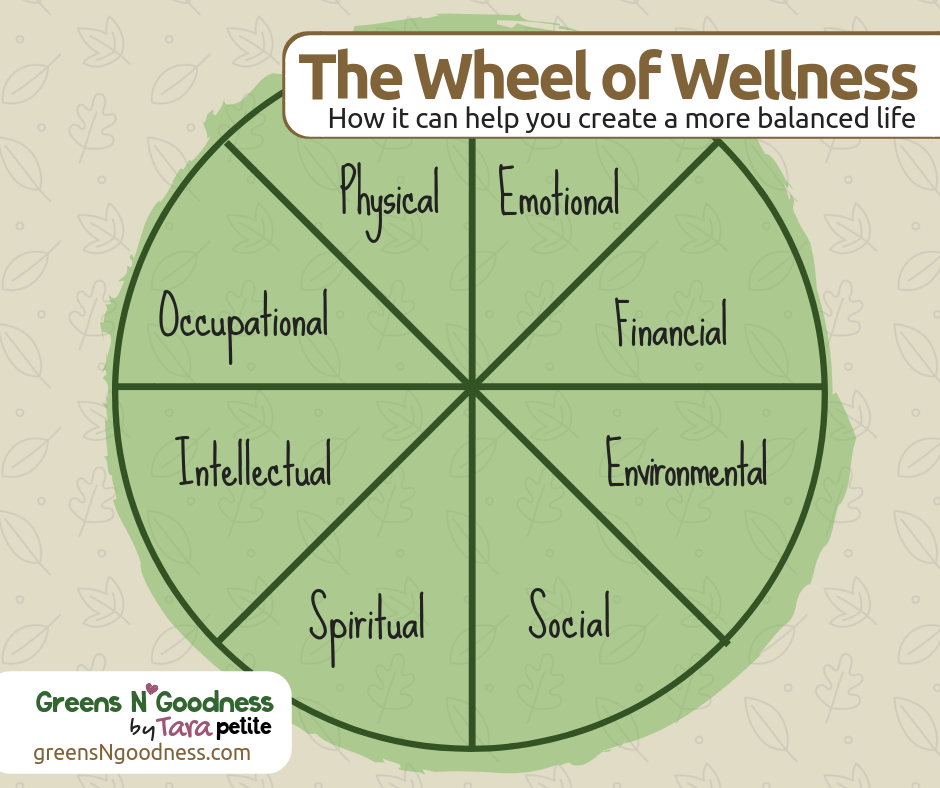
Nutrition is essential, but it cannot work alone. Sleep, stress management, emotional health, movement, and recovery are equally important. Staying healthy requires an integrated lifestyle approach rather than focusing on one factor.
7. How does stress affect my ability to stay healthy?
Chronic stress disrupts digestion, immunity, sleep, and hormones. It makes staying healthy more difficult even when other habits are strong. Stress management is essential for long-term wellness and disease prevention.
8. Can I stay healthy without intense exercise?
Yes. Staying healthy does not require extreme workouts. Regular moderate movement such as walking, stretching, strength training, or yoga is sufficient to support physical and mental health. Overexercising without recovery can harm long-term wellness.
9. Why is sleep so important for staying healthy?
Sleep supports tissue repair, hormone regulation, immune strength, and brain function. Poor sleep increases the risk of chronic illness and weakens the benefits of nutrition and exercise. Staying healthy depends heavily on sleep quality and consistency.
10. How does gut health influence long-term wellness?
Gut health affects nutrient absorption, immunity, inflammation, and mood. Poor digestion can undermine overall health even with good nutrition. Staying healthy requires supporting digestion through regular meals, hydration, stress control, and balanced food choices.
11. Can emotional health affect physical health?
Yes. Emotional stress increases internal inflammation and disrupts body systems. Emotional awareness and healthy expression reduce stress hormones and support physical recovery. Emotional balance is a key component of staying healthy.
12. How do relationships affect my health?
Supportive relationships reduce stress and improve emotional stability. Chronic loneliness or toxic relationships increase stress and disease risk. Staying healthy includes maintaining meaningful social connections and healthy boundaries.
13. Is prevention really more effective than treatment?
Yes. Prevention addresses early signs before disease develops, reducing long-term health risks. Global health organizations strongly emphasize preventive care as the most effective health strategy. For trusted guidance, refer to the World Health Organization:
👉 https://www.who.int/ (external dofollow link)
14. Can I stay healthy as I age?
Absolutely. Healthy aging is the result of consistent lifestyle habits such as movement, mental engagement, emotional balance, and preventive care. Staying healthy preserves mobility, independence, and quality of life as you grow older.
15. Is staying healthy expensive?
No. Most staying-healthy habits are low-cost or free, including sleep, walking, hydration, stress management, and home-prepared meals. Preventive wellness reduces long-term medical costs.
16. How do routines help me stay healthy?
Routines reduce decision fatigue and stabilize the body’s internal rhythms. Regular sleep, meals, movement, and rest support hormonal balance and energy levels, making it easier to stay healthy consistently.
17. What is the biggest mistake people make when trying to stay healthy?
The biggest mistake is choosing extremes or unsustainable routines. Extreme diets, overtraining, and rigid schedules lead to burnout. Staying healthy requires balance, flexibility, and adaptability.
18. Can someone with a medical condition still stay healthy?
Yes. Staying healthy focuses on quality of life, balance, and function rather than the absence of diagnosis. Lifestyle support can significantly improve outcomes and daily well-being even with medical conditions.
19. How do I stay healthy during stressful periods?
During stressful times, focus on the basics: sleep, hydration, gentle movement, and emotional support. Lowering expectations and maintaining core habits helps protect long-term health.
20. Where can I learn more about staying healthy reliably?
Reliable information is essential for staying healthy. For practical education on holistic wellness and preventive lifestyle strategies, visit:
👉 https://javahealth.blog/ (internal link)
21. What is the ultimate rule for getting healthy and staying healthy?
The ultimate rule is consistency over perfection. Sustainable habits practiced daily create lasting wellness. Getting healthy starts the journey, but staying healthy is what allows you to live with energy, clarity, and balance over time.
Conclusion:
Getting healthy is an important first step, but staying healthy is what truly defines long-term well-being. As this advanced guide has shown, health is not built through short-term effort, extreme routines, or temporary motivation. It is created through consistent, balanced, and preventive lifestyle choices that support the body and mind every day.
To get healthy, the body often needs rest, nourishment, and reduced stress. To stay healthy, those same principles must be maintained through sustainable habits such as regular sleep, balanced nutrition, hydration, moderate movement, emotional awareness, and recovery. When these habits work together, the body becomes more resilient, adaptable, and capable of handling life’s challenges.
Modern health science clearly shows that prevention is more effective than treatment. Listening to early signals like fatigue, sleep disruption, digestive discomfort, or emotional strain allows correction before illness develops. This proactive approach protects long-term health and improves overall quality of life.
Mental and emotional well-being are equally important. A calm, regulated nervous system supports immunity, digestion, and hormonal balance. Supportive relationships, meaningful routines, and healthy environments further strengthen the foundation needed to stay healthy throughout life.
For continued learning on holistic wellness, preventive health, and sustainable lifestyle strategies, explore trusted resources at:
👉 https://javahealth.blog/ (internal link)
For globally recognized, evidence-based guidance on health promotion, disease prevention, and healthy living, refer to the World Health Organization:
👉 https://www.who.int/ (external dofollow link)
Ultimately, get healthy, stay healthy is not a program or destination—it is a way of living. When health-supportive choices become part of daily life, wellness becomes stable, empowering, and long-lasting, allowing you to live with energy, clarity, and balance at every stage of life.