
Facts on Wellness: An Advanced Health & Wellness Guide Based on Science, Balance & Long-Term Well-Being
Introduction: Understanding Wellness Beyond Myths and Trends
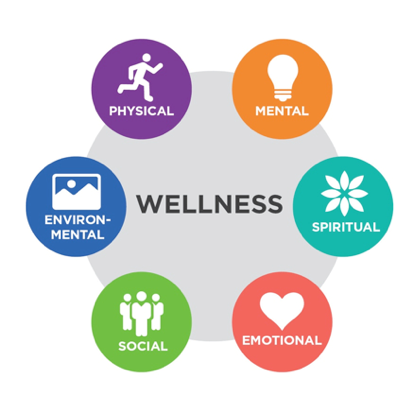
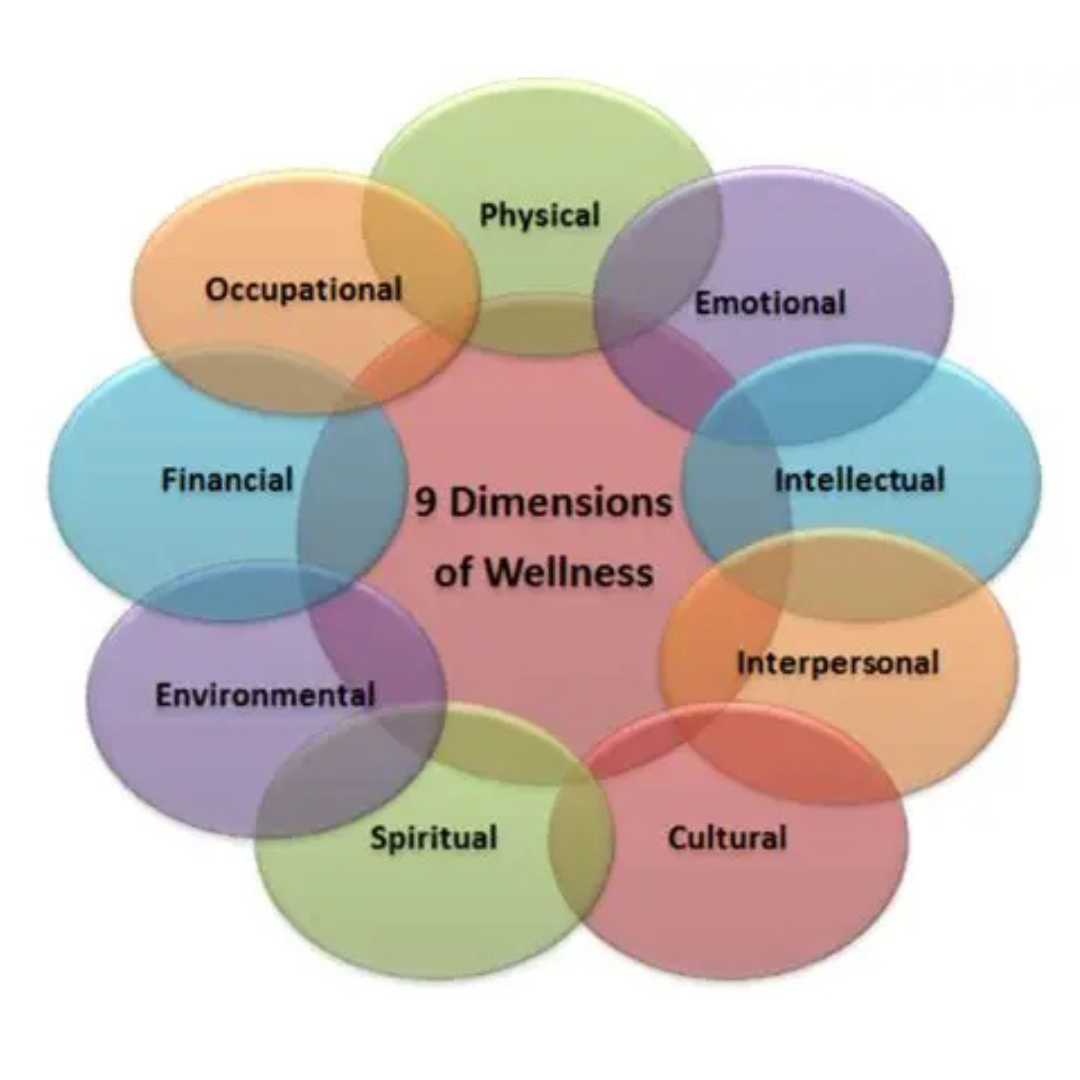
Wellness is one of the most discussed yet misunderstood concepts in modern health culture. Many people associate wellness with fitness challenges, diet trends, or luxury self-care routines. In reality, wellness is a scientifically supported, multidimensional state of balance that involves physical health, mental clarity, emotional stability, lifestyle habits, and environmental alignment.
Facts on wellness show that true well-being is not created through extreme behaviors or temporary motivation. Instead, it is built through consistent, preventive, and sustainable habits that support the body and mind over time. Advanced health & wellness focuses on how daily choices influence long-term outcomes rather than chasing short-term results.
This in-depth guide presents verified facts on wellness rooted in medical science, preventive care, and holistic health principles. It aims to clarify what wellness truly means and how it can be practiced realistically in everyday life.
Fact 1: Wellness Is Not the Same as the Absence of Disease
One of the most important facts on wellness is that being “disease-free” does not automatically mean being well. A person may not have a diagnosed illness yet still experience chronic fatigue, poor sleep, digestive discomfort, stress, or emotional imbalance.
Wellness refers to how effectively the body and mind function together, not simply whether disease is present. Advanced wellness emphasizes vitality, adaptability, and resilience. When wellness is high, the body can recover quickly from stress, maintain stable energy, and adapt to changing demands.
This distinction explains why preventive care is central to modern wellness strategies.
Fact 2: Wellness Is Built Daily, Not Occasionally
Another key fact on wellness is that it is shaped by daily habits, not occasional efforts. Exercise once a week or eating healthy “sometimes” cannot offset chronic stress, poor sleep, or irregular routines.
Consistent behaviors—such as regular sleep, balanced meals, hydration, movement, and stress recovery—create predictable rhythms in the body. These rhythms regulate hormones, digestion, immunity, and energy levels.
Advanced wellness research shows that small actions repeated daily have a far greater impact on long-term health than extreme actions taken briefly.
Fact 3: Mental Health Is a Core Component of Wellness
Mental health is not separate from physical wellness—it is foundational to it. Chronic stress, anxiety, emotional overload, and mental exhaustion directly affect sleep quality, digestion, immune response, and cardiovascular health.
Facts on wellness confirm that the nervous system plays a central role in regulating the body. When the mind remains in constant fight-or-flight mode, the body cannot repair itself effectively. Wellness improves when the nervous system is allowed to rest and reset regularly.
Practices such as mindfulness, emotional awareness, adequate rest, and reduced overstimulation are evidence-based tools for improving overall wellness.
Fact 4: Sleep Is One of the Strongest Predictors of Wellness
Sleep is often underestimated, yet it is one of the most scientifically supported pillars of wellness. During sleep, the body repairs tissues, balances hormones, strengthens immunity, and clears waste from the brain.
Facts on wellness show that chronic sleep deprivation increases the risk of obesity, heart disease, diabetes, depression, and weakened immunity. Even high-quality nutrition and exercise cannot fully compensate for poor sleep.
Advanced wellness approaches treat sleep as a biological necessity rather than a lifestyle choice.
Fact 5: Nutrition Supports Wellness Only When Digestion Is Healthy
Nutrition is essential for wellness, but food quality alone does not guarantee health. Digestion determines how effectively nutrients are absorbed and utilized.
Facts on wellness highlight that stress, irregular eating, overeating, and poor sleep impair digestion. This can lead to fatigue, bloating, nutrient deficiencies, and immune weakness—even in people who eat healthy foods.
Wellness improves when nutrition is combined with mindful eating, regular meal timing, hydration, and stress management.
Fact 6: Wellness Requires Balance, Not Extremes
Extreme diets, overexercising, constant productivity, and rigid routines often undermine wellness rather than support it. The body thrives on moderation and adaptability, not constant pressure.
Facts on wellness consistently show that extremes increase stress hormones and disrupt hormonal balance. Sustainable wellness is built through flexible routines that support recovery and long-term consistency.
Balance allows wellness practices to evolve with age, workload, and life circumstances.
Fact 7: Emotional Health Influences Physical Wellness
Emotions are biological experiences, not just psychological ones. Unprocessed emotions increase internal stress, affecting breathing patterns, muscle tension, digestion, and immunity.
Facts on wellness confirm that emotional awareness and healthy expression reduce inflammation and support nervous system balance. Wellness improves when emotions are acknowledged rather than suppressed.
Emotional resilience acts as a protective factor for long-term physical health.
Fact 8: Preventive Care Is a Core Principle of Wellness
Preventive care is one of the strongest evidence-based wellness strategies. Addressing early signs such as fatigue, poor sleep, mood changes, or digestive discomfort reduces the risk of chronic disease.
Global health authorities emphasize prevention as the most effective way to improve population health. For science-based guidance on wellness, disease prevention, and healthy living, readers can refer to the World Health Organization:
👉 https://www.who.int/ (external dofollow link)
Fact 9: Environment Directly Affects Wellness
Wellness is influenced not only by internal habits but also by external conditions. Light exposure, air quality, noise levels, clutter, and digital overload all affect stress and recovery.
Facts on wellness show that access to natural light, greenery, clean air, and organized spaces improves mental clarity and emotional balance. Environmental alignment supports nervous system regulation and overall well-being.
Fact 10: Wellness Is a Lifelong Process
Wellness is not something you “complete.” It is a dynamic process that evolves with age, responsibilities, and health status. What supports wellness in early adulthood may differ later in life, but the core principles remain the same: consistency, balance, prevention, and awareness.
Advanced wellness focuses on adapting habits over time rather than following rigid rules indefinitely.
Learning Verified Wellness the Right Way
With so much misinformation online, understanding real facts on wellness requires trusted, evidence-based sources. Learning how lifestyle habits interact empowers individuals to make informed health decisions.
For practical, educational content on holistic wellness, preventive health, and lifestyle balance, explore:
👉 https://javahealth.blog/ (internal link)
Fact 11: Physical Wellness Is About Function, Not Appearance
One of the most misunderstood facts on wellness is the belief that physical health is defined by body shape or weight. In reality, physical wellness is measured by how well the body functions, not how it looks. Strength, mobility, endurance, flexibility, and recovery capacity are far more meaningful indicators of wellness than appearance alone.
Wellness science shows that individuals with good functional health experience fewer injuries, better metabolic stability, and stronger immunity. Physical wellness supports independence, confidence, and resilience across all stages of life. A healthy body is one that can move, adapt, and recover efficiently.
Fact 12: Regular Movement Extends Longevity
Movement is one of the strongest predictors of long-term wellness and lifespan. Facts on wellness clearly show that people who move regularly—regardless of exercise intensity—tend to live longer and experience fewer chronic diseases.
Walking, stretching, resistance training, and light cardiovascular activity support heart health, joint mobility, muscle mass, and brain function. Wellness research emphasizes consistency over intensity. Even moderate daily movement significantly reduces the risk of heart disease, diabetes, and early physical decline.
Movement also improves mental clarity and emotional stability by regulating stress hormones and improving circulation.
Fact 13: Recovery Is as Important as Activity
A critical but often ignored fact on wellness is that recovery is just as important as activity. Without adequate recovery, the body remains under stress, leading to fatigue, inflammation, weakened immunity, and hormonal imbalance.
Recovery includes sleep, rest days, mental downtime, hydration, and proper nutrition. Advanced wellness recognizes that overtraining, overworking, and constant stimulation reduce wellness rather than enhance it.
The healthiest bodies are not the most exhausted ones—they are the ones that balance effort with recovery.
Fact 14: Chronic Stress Physically Changes the Body
Stress is not only psychological—it is deeply biological. One of the most important scientific facts on wellness is that chronic stress changes how the body functions at a cellular level. Elevated stress hormones disrupt digestion, sleep, immune response, metabolism, and cardiovascular health.
Wellness improves when the nervous system is allowed to shift from constant alertness into rest-and-repair mode. Practices such as deep breathing, mindfulness, physical movement, and emotional regulation directly support nervous system balance.
Managing stress is not optional for wellness—it is essential.
Fact 15: The Nervous System Regulates Overall Wellness
The nervous system acts as the control center for wellness. It regulates heart rate, digestion, breathing, hormone release, and immune response. When the nervous system is overstimulated, the body prioritizes survival over repair.
Facts on wellness confirm that calm nervous system states support healing, digestion, immunity, and mental clarity. This is why wellness practices that promote relaxation—such as sleep, quiet time, nature exposure, and mindful breathing—are so effective.
A balanced nervous system allows the body to function optimally.
Fact 16: Sleep Quality Predicts Long-Term Health
Sleep is one of the strongest scientific predictors of wellness and longevity. During sleep, the body repairs tissues, clears toxins from the brain, balances hormones, and strengthens immune defenses.
Facts on wellness show that chronic sleep deprivation increases the risk of obesity, diabetes, heart disease, depression, and cognitive decline. Even small improvements in sleep consistency can significantly improve energy, mood, and physical health.
Wellness-focused lifestyles treat sleep as a biological requirement, not a negotiable habit.
Fact 17: Circadian Rhythms Influence Every System
The body operates on internal clocks known as circadian rhythms. These rhythms regulate sleep, digestion, hormone release, and energy levels. Disrupting them through irregular schedules, late-night screen exposure, or inconsistent meals reduces wellness.
Facts on wellness show that aligning daily routines with natural rhythms improves metabolic health, mental clarity, and immune strength. Consistent sleep and meal timing support long-term balance.
Wellness improves when lifestyle habits respect the body’s natural timing.
Fact 18: Daily Habits Matter More Than Genetics
While genetics influence health, lifestyle habits have a greater impact on long-term wellness. Research consistently shows that nutrition, movement, sleep, stress management, and social connection outweigh genetic risk factors for many chronic diseases.
Facts on wellness confirm that daily choices shape gene expression through a process known as epigenetics. This means wellness is largely modifiable, not predetermined.
Healthy habits practiced consistently can significantly reduce genetic risk.
Fact 19: Preventive Wellness Reduces Disease Risk
Preventive wellness focuses on addressing imbalance early rather than waiting for disease. Early signs such as fatigue, poor sleep, mood changes, or digestive discomfort often appear years before chronic illness develops.
Global health authorities strongly emphasize prevention as the most effective health strategy. For reliable, science-based wellness and prevention guidance, refer to the World Health Organization:
👉 https://www.who.int/ (external dofollow link)
Fact 20: Wellness Requires Reliable Information
In the age of misinformation, one of the most important facts on wellness is the need for credible, evidence-based sources. Trends and quick fixes often undermine health rather than support it.
For practical, trustworthy education on holistic wellness, preventive health, and sustainable lifestyle habits, explore:
👉 https://javahealth.blog/ (internal link)


5
Facts on Wellness – Part 3 (Long & Advanced)
Mental & Emotional Wellness, Social and Environmental Health, Healthy Aging & Lifelong Balance
Fact 21: Mental Wellness Directly Shapes Physical Health
One of the most established facts on wellness is that mental health and physical health are inseparable. Chronic anxiety, prolonged stress, negative thought patterns, and emotional overload directly affect the nervous system, immune response, digestion, and cardiovascular function.
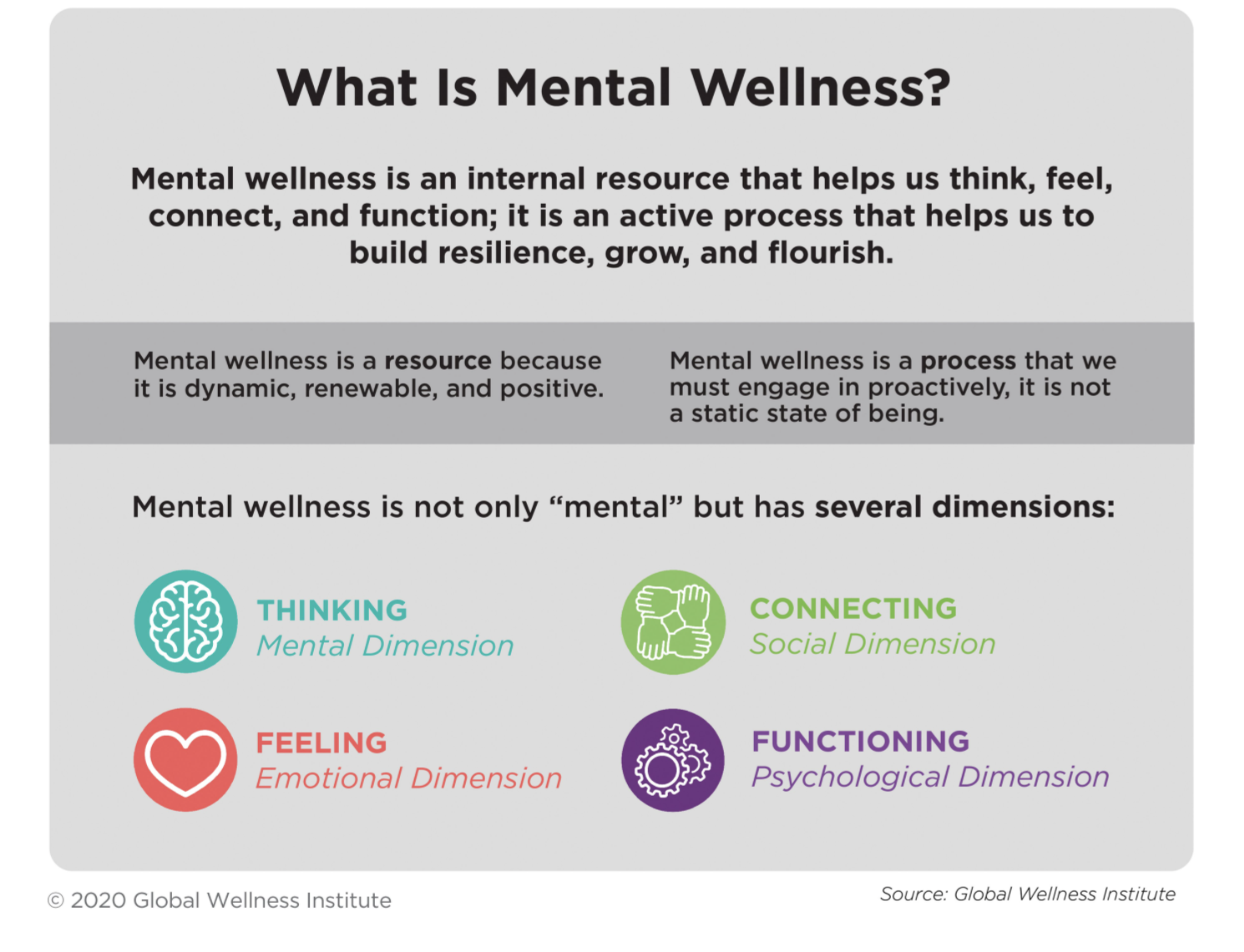
Wellness research shows that people with better mental regulation experience lower inflammation, stronger immunity, and faster recovery from illness. Mental wellness is not about constant positivity; it is about emotional regulation, clarity, and adaptability. A balanced mind allows the body to enter repair mode rather than remaining in constant survival mode.
Advanced wellness strategies emphasize mental rest, emotional awareness, and realistic expectations as essential components of long-term health.
Fact 22: Emotional Health Is a Biological Process
Emotions are not abstract concepts—they are biological signals that influence breathing, muscle tension, hormone release, and digestion. Suppressed or unresolved emotions keep the body in a state of internal stress.
Facts on wellness confirm that emotional awareness and healthy expression reduce stress hormone levels and improve nervous system balance. People who acknowledge and process emotions tend to experience fewer stress-related physical symptoms such as headaches, fatigue, and digestive issues.
Emotional wellness supports resilience and helps prevent chronic stress-related conditions.
Fact 23: Social Wellness Is a Strong Predictor of Longevity
Social connection is one of the most powerful yet underestimated facts on wellness. Research consistently shows that strong, supportive relationships improve immune function, reduce stress, and increase lifespan.
Social wellness does not depend on the number of relationships but on their quality. Trust, emotional safety, and meaningful interaction protect mental and physical health. Chronic loneliness, on the other hand, increases inflammation and the risk of cardiovascular disease.
Wellness improves when social connections are nurtured and emotional boundaries are respected.
Fact 24: Environmental Wellness Affects the Nervous System
The environment constantly influences wellness through sensory input such as light, noise, air quality, and digital exposure. Poor environmental conditions increase nervous system stress, disrupt sleep, and impair focus.
Facts on wellness show that natural light, fresh air, greenery, and organized spaces promote calmness and mental clarity. Even small changes—such as reducing screen use at night or improving ventilation—can significantly enhance overall wellness.
Advanced wellness recognizes that health is shaped not only by internal habits but also by external surroundings.
Fact 25: Purpose and Meaning Improve Overall Wellness
Purpose is a scientifically supported factor in long-term wellness. People who experience meaning in life show lower stress levels, better immune function, and improved emotional stability.
Purpose does not require grand achievements. Meaning can come from personal growth, learning, relationships, creativity, or service. When daily actions align with personal values, stress decreases and motivation to maintain healthy habits increases.
A sense of purpose strengthens both mental and physical resilience.
Fact 26: Healthy Aging Is a Lifestyle Outcome, Not a Coincidence
Aging is inevitable, but how we age is strongly influenced by lifestyle choices. Facts on wellness show that regular movement, mental engagement, emotional balance, and preventive care slow functional decline and preserve independence.
Healthy aging focuses on maintaining mobility, cognitive function, emotional stability, and social engagement. Wellness habits practiced earlier in life compound over time, leading to greater vitality in later years.
Advanced wellness encourages preparing for healthy aging long before old age begins.
Fact 27: Wellness Is Dynamic and Evolves Over Time
Wellness is not static. One of the most important facts on wellness is that it evolves with age, lifestyle demands, health status, and environment. What supports wellness at one stage of life may need adjustment later.
Rigid routines often fail because they do not adapt to changing needs. Sustainable wellness allows flexibility while maintaining core principles such as balance, prevention, and consistency.
Adaptability is a key marker of long-term well-being.
Fact 28: Extremes Undermine Wellness
Extreme dieting, excessive exercise, constant productivity, or emotional suppression reduce wellness rather than improve it. Facts on wellness consistently show that extremes increase stress hormones and disrupt hormonal balance.
The body thrives on moderation and rhythm. Sustainable wellness is built through habits that can be maintained comfortably over time, not through constant pressure.
Balance protects both physical and mental health.
Fact 29: Prevention Is the Most Powerful Wellness Strategy
Preventive wellness focuses on addressing imbalance early. Fatigue, poor sleep, digestive discomfort, mood changes, and reduced motivation often appear years before chronic disease.
Global health authorities emphasize prevention as the most effective approach to improving population health. For evidence-based guidance on wellness, prevention, and healthy living, refer to the World Health Organization:
👉 https://www.who.int/ (external dofollow link)
Fact 30: Wellness Improves With Reliable Knowledge
One of the final facts on wellness is that education matters. Understanding how lifestyle habits affect the body empowers better choices and reduces reliance on trends or misinformation.
For practical, trustworthy information on holistic wellness, preventive health, and sustainable lifestyle habits, explore:
👉 https://javahealth.blog/ (internal link)
Extended Final Conclusion: Facts on Wellness as a Way of Living
Facts on wellness clearly show that health is not built through shortcuts or extremes. True wellness emerges from consistent habits that support physical function, mental clarity, emotional balance, social connection, and environmental alignment.
Wellness is proactive rather than reactive. It is shaped daily through small, intentional actions that compound over time. When prevention, balance, and adaptability become part of everyday life, health becomes resilient rather than fragile.
In a world filled with conflicting advice, understanding verified facts on wellness provides clarity and confidence. When wellness is treated as a way of living—not a temporary goal—it supports longevity, quality of life, and overall well-being at every stage of life.
Facts on Wellness
Mental & Emotional Wellness, Social and Environmental Health, Healthy Aging & Lifelong Balance
Fact 21: Mental Wellness Directly Shapes Physical Health
One of the most established facts on wellness is that mental health and physical health are inseparable. Chronic anxiety, prolonged stress, negative thought patterns, and emotional overload directly affect the nervous system, immune response, digestion, and cardiovascular function.
Wellness research shows that people with better mental regulation experience lower inflammation, stronger immunity, and faster recovery from illness. Mental wellness is not about constant positivity; it is about emotional regulation, clarity, and adaptability. A balanced mind allows the body to enter repair mode rather than remaining in constant survival mode.
Advanced wellness strategies emphasize mental rest, emotional awareness, and realistic expectations as essential components of long-term health.
Fact 22: Emotional Health Is a Biological Process
Emotions are not abstract concepts—they are biological signals that influence breathing, muscle tension, hormone release, and digestion. Suppressed or unresolved emotions keep the body in a state of internal stress.
Facts on wellness confirm that emotional awareness and healthy expression reduce stress hormone levels and improve nervous system balance. People who acknowledge and process emotions tend to experience fewer stress-related physical symptoms such as headaches, fatigue, and digestive issues.
Emotional wellness supports resilience and helps prevent chronic stress-related conditions.
Fact 23: Social Wellness Is a Strong Predictor of Longevity
Social connection is one of the most powerful yet underestimated facts on wellness. Research consistently shows that strong, supportive relationships improve immune function, reduce stress, and increase lifespan.
Social wellness does not depend on the number of relationships but on their quality. Trust, emotional safety, and meaningful interaction protect mental and physical health. Chronic loneliness, on the other hand, increases inflammation and the risk of cardiovascular disease.
Wellness improves when social connections are nurtured and emotional boundaries are respected.
Fact 24: Environmental Wellness Affects the Nervous System
The environment constantly influences wellness through sensory input such as light, noise, air quality, and digital exposure. Poor environmental conditions increase nervous system stress, disrupt sleep, and impair focus.
Facts on wellness show that natural light, fresh air, greenery, and organized spaces promote calmness and mental clarity. Even small changes—such as reducing screen use at night or improving ventilation—can significantly enhance overall wellness.
Advanced wellness recognizes that health is shaped not only by internal habits but also by external surroundings.
Fact 25: Purpose and Meaning Improve Overall Wellness
Purpose is a scientifically supported factor in long-term wellness. People who experience meaning in life show lower stress levels, better immune function, and improved emotional stability.
Purpose does not require grand achievements. Meaning can come from personal growth, learning, relationships, creativity, or service. When daily actions align with personal values, stress decreases and motivation to maintain healthy habits increases.
A sense of purpose strengthens both mental and physical resilience.
Fact 26: Healthy Aging Is a Lifestyle Outcome, Not a Coincidence
Aging is inevitable, but how we age is strongly influenced by lifestyle choices. Facts on wellness show that regular movement, mental engagement, emotional balance, and preventive care slow functional decline and preserve independence.
Healthy aging focuses on maintaining mobility, cognitive function, emotional stability, and social engagement. Wellness habits practiced earlier in life compound over time, leading to greater vitality in later years.
Advanced wellness encourages preparing for healthy aging long before old age begins.
Fact 27: Wellness Is Dynamic and Evolves Over Time
Wellness is not static. One of the most important facts on wellness is that it evolves with age, lifestyle demands, health status, and environment. What supports wellness at one stage of life may need adjustment later.
Rigid routines often fail because they do not adapt to changing needs. Sustainable wellness allows flexibility while maintaining core principles such as balance, prevention, and consistency.
Adaptability is a key marker of long-term well-being.
Fact 28: Extremes Undermine Wellness
Extreme dieting, excessive exercise, constant productivity, or emotional suppression reduce wellness rather than improve it. Facts on wellness consistently show that extremes increase stress hormones and disrupt hormonal balance.
The body thrives on moderation and rhythm. Sustainable wellness is built through habits that can be maintained comfortably over time, not through constant pressure.
Balance protects both physical and mental health.
Fact 29: Prevention Is the Most Powerful Wellness Strategy
Preventive wellness focuses on addressing imbalance early. Fatigue, poor sleep, digestive discomfort, mood changes, and reduced motivation often appear years before chronic disease.
Global health authorities emphasize prevention as the most effective approach to improving population health. For evidence-based guidance on wellness, prevention, and healthy living, refer to the World Health Organization:
👉 https://www.who.int/ (external dofollow link)
Fact 30: Wellness Improves With Reliable Knowledge
One of the final facts on wellness is that education matters. Understanding how lifestyle habits affect the body empowers better choices and reduces reliance on trends or misinformation.
For practical, trustworthy information on holistic wellness, preventive health, and sustainable lifestyle habits, explore:
👉 https://javahealth.blog/ (internal link)
Facts on Wellness as a Way of Living
Facts on wellness clearly show that health is not built through shortcuts or extremes. True wellness emerges from consistent habits that support physical function, mental clarity, emotional balance, social connection, and environmental alignment.
Wellness is proactive rather than reactive. It is shaped daily through small, intentional actions that compound over time. When prevention, balance, and adaptability become part of everyday life, health becomes resilient rather than fragile.
In a world filled with conflicting advice, understanding verified facts on wellness provides clarity and confidence. When wellness is treated as a way of living—not a temporary goal—it supports longevity, quality of life, and overall well-being at every stage of life.
Facts on Wellness – Long & In-Depth FAQs (Advanced Health & Wellness Guide)
This extended FAQ section is designed to strengthen authority, SEO depth, and reader trust. Each answer explains verified wellness facts in clear paragraph style, focusing on prevention, balance, and long-term well-being rather than trends or quick fixes.
1. What does wellness truly mean according to science?
Wellness is a dynamic state of physical, mental, emotional, social, and environmental balance. Scientifically, wellness refers to how well the body and mind function together, adapt to stress, and recover from challenges. It is not limited to fitness or diet; it includes sleep quality, stress regulation, emotional health, and lifestyle alignment.
2. Is wellness the same as being healthy?
Health and wellness are closely connected but not identical. Health often refers to the absence of disease, while wellness focuses on how well you live and function. A person may be medically healthy but still experience low energy, stress, or poor sleep. Wellness emphasizes prevention, resilience, and quality of life.
3. Can wellness be measured, or is it subjective?
Wellness includes both measurable and subjective elements. Physical indicators such as sleep quality, energy levels, digestion, and stress response can be observed, while emotional balance and mental clarity are more subjective. Together, these factors provide a reliable picture of overall wellness.
4. Why is prevention considered a core fact of wellness?
Prevention is central to wellness because most chronic diseases develop slowly over time. Early signs such as fatigue, poor sleep, digestive issues, or mood changes often appear long before diagnosis. Addressing these early signals through lifestyle adjustment reduces long-term disease risk and improves quality of life.
5. How important is mental health in overall wellness?
Mental health is foundational to wellness. Chronic stress, anxiety, and emotional overload disrupt digestion, immunity, sleep, and cardiovascular function. Wellness science confirms that mental balance supports physical healing, resilience, and longevity.
6. Can emotional health really affect physical wellness?
Yes. Emotions are biological processes that influence hormones, muscle tension, breathing, and immune response. Suppressed or unresolved emotions increase internal stress and inflammation. Emotional awareness and healthy expression support nervous system balance and physical well-being.
7. Is sleep more important than diet or exercise for wellness?
Sleep is equally important and often more foundational. Without quality sleep, the benefits of nutrition and exercise are reduced. Sleep supports hormonal balance, immune function, brain health, and recovery. Wellness improves significantly when sleep consistency and quality are prioritized.
8. Does nutrition alone guarantee wellness?
No. Nutrition is essential, but it works best alongside good digestion, sleep, movement, and stress management. Even the healthiest diet cannot compensate for chronic stress or sleep deprivation. Wellness is built through lifestyle integration, not isolated habits.
9. How does stress affect long-term wellness?
Chronic stress keeps the body in a fight-or-flight state, disrupting digestion, immunity, hormones, and sleep. Over time, unmanaged stress increases the risk of heart disease, metabolic disorders, and mental health conditions. Stress management is a scientific necessity for wellness.
10. Can small daily habits really improve wellness?
Yes. Wellness research consistently shows that small, repeatable habits have the greatest long-term impact. Regular sleep, hydration, gentle movement, emotional awareness, and consistent routines compound over time to build resilience and vitality.
11. Is physical appearance a reliable indicator of wellness?
No. Appearance does not reliably reflect internal health. A person may look fit but experience chronic stress, fatigue, or digestive problems. Wellness is better assessed by energy levels, recovery ability, emotional stability, and daily functioning.
12. How does social connection influence wellness?
Social wellness is a strong predictor of longevity and emotional stability. Supportive relationships reduce stress hormones, strengthen immunity, and improve mental health. Chronic loneliness increases inflammation and disease risk. Quality relationships are essential for overall wellness.
13. Does environment really impact wellness?
Yes. Light exposure, air quality, noise levels, clutter, and digital overload all affect the nervous system. Wellness improves in environments with natural light, fresh air, greenery, and reduced sensory stress. Environmental alignment supports mental clarity and recovery.
14. Is wellness expensive to maintain?
No. Most effective wellness habits are low-cost or free, such as sleep, walking, hydration, stress management, and home-cooked meals. Preventive wellness reduces long-term healthcare expenses by avoiding advanced disease.
15. Can someone with a medical condition still experience wellness?
Yes. Wellness is about function, balance, and quality of life—not the absence of diagnosis. People with medical conditions often experience improved outcomes when lifestyle habits support treatment and recovery.
16. How does wellness change with age?
Wellness evolves with life stages. Younger adults may focus on energy and stress management, while older adults prioritize mobility, cognitive health, and recovery. The core principles—balance, prevention, and consistency—remain the same.
17. Why are extremes harmful to wellness?
Extreme diets, overtraining, constant productivity, or emotional suppression increase stress hormones and disrupt hormonal balance. Wellness thrives on moderation and adaptability, not rigid or extreme behaviors.
18. What role does purpose play in wellness?
Purpose provides emotional stability and motivation for healthy habits. Research shows that people with a sense of meaning experience lower stress, stronger immunity, and better mental health. Purpose supports long-term wellness consistency.
19. Where should I learn reliable facts on wellness?
Reliable wellness information comes from evidence-based sources and trusted health education platforms. For global, science-backed guidance on wellness and disease prevention, refer to the World Health Organization:
👉 https://www.who.int/ (external dofollow link)
For practical, educational content on holistic wellness and preventive lifestyle strategies, explore:
👉 https://javahealth.blog/ (internal link)
20. What is the ultimate fact about wellness?
The ultimate fact about wellness is that it is a way of living, not a temporary goal. Wellness grows through daily habits, balance, awareness, and prevention. When practiced consistently, it supports resilience, longevity, and a higher quality of life at every stage.
Conclusion:
Wellness is not defined by perfection, appearance, or temporary motivation—it is a science-backed, lifelong approach to living in balance. As explored throughout this advanced guide, true wellness is built through consistent daily habits that support physical health, mental clarity, emotional stability, and long-term resilience. It is not something you achieve once and maintain effortlessly; it is something you practice, adjust, and refine over time.
The most important facts on wellness show that prevention is more powerful than treatment. Early attention to sleep quality, stress levels, digestion, movement, and emotional health reduces the risk of chronic disease and improves overall quality of life. Wellness thrives when the body is allowed to recover, adapt, and function in alignment with its natural rhythms rather than being pushed to extremes.
Modern wellness science also confirms that mental and emotional well-being are inseparable from physical health. Stress regulation, meaningful relationships, supportive environments, and a sense of purpose all play essential roles in sustaining long-term well-being. When these elements work together, wellness becomes stable and resilient rather than fragile and reactive.
In a world filled with trends, misinformation, and quick fixes, understanding verified facts on wellness provides clarity and confidence. Reliable knowledge empowers individuals to make informed choices and build habits that last. For continued learning on holistic wellness, preventive health, and sustainable lifestyle strategies, explore trusted resources at:
👉 https://javahealth.blog/ (internal link)
For globally recognized, evidence-based guidance on health promotion, disease prevention, and well-being, refer to the World Health Organization:
👉 https://www.who.int/ (external dofollow link)
Ultimately, wellness is not a destination—it is a way of living. When balanced habits, awareness, and prevention become part of everyday life, wellness stops being a goal you chase and becomes the foundation on which you live with energy, clarity, and purpose.