Positive Lifestyle: Advanced Health & Wellness Strategies for a Balanced, Fulfilling Life
Introduction: Why a Positive Lifestyle Is the Foundation of True Health
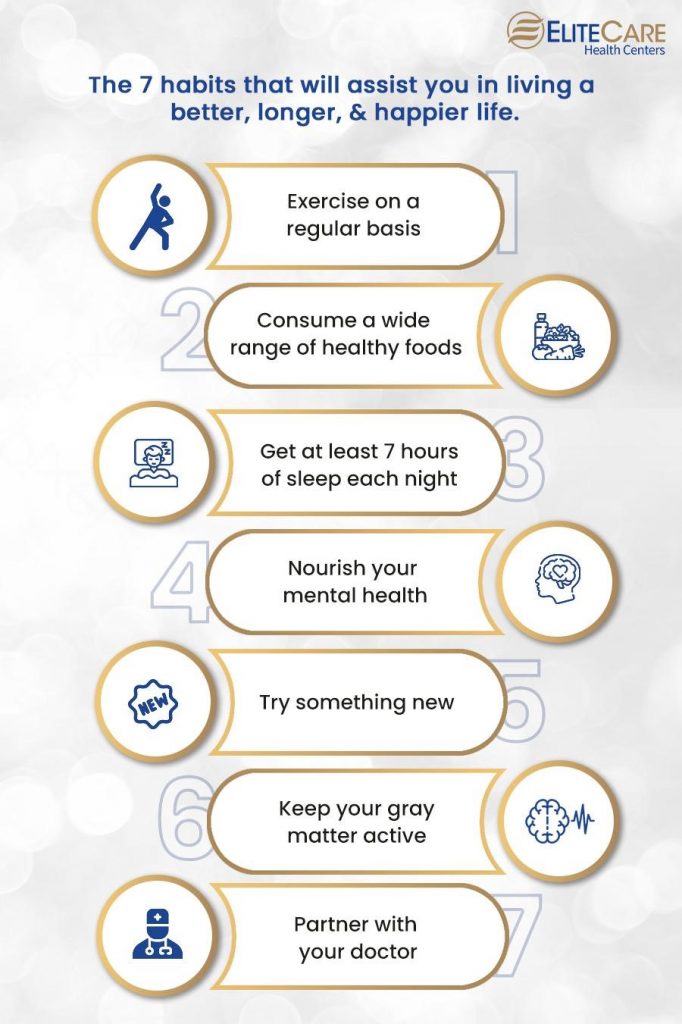
A positive lifestyle is not simply about thinking optimistically or following motivational trends. It is a deliberate, structured way of living that supports physical health, mental clarity, emotional balance, and long-term resilience. In modern life—marked by stress, digital overload, irregular routines, and lifestyle-related illnesses—a positive lifestyle has become an essential health strategy rather than a personal choice.
Advanced health and wellness science now confirms what holistic systems have emphasized for centuries: daily habits shape health outcomes more powerfully than genetics or short-term treatments. A positive lifestyle works at the root level by aligning mindset, routine, nutrition, movement, rest, and social behavior into a coherent system that the body and mind can sustain.
This in-depth guide explores the concept of positive lifestyle from an advanced health & wellness perspective, focusing on long-term well-being rather than temporary inspiration. The aim is to help readers build habits that naturally support energy, immunity, emotional stability, and life satisfaction.
Understanding a Positive Lifestyle Beyond Motivation
A positive lifestyle is often misunderstood as maintaining constant happiness or ignoring challenges. In reality, it is about constructive response, not forced positivity. Life inevitably includes stress, setbacks, and uncertainty. A positive lifestyle equips individuals with the tools to adapt, recover, and grow stronger through these experiences.
From a health perspective, positivity influences biological systems such as the nervous system, immune response, digestion, and hormonal balance. Chronic negativity, stress, and emotional suppression increase inflammation and weaken resilience. A positive lifestyle, on the other hand, promotes physiological balance by reducing stress hormones and improving nervous system regulation.
True positivity is practical. It is reflected in consistent routines, mindful decisions, emotional awareness, and responsibility for one’s health choices.
The Mindset–Health Connection in a Positive Lifestyle
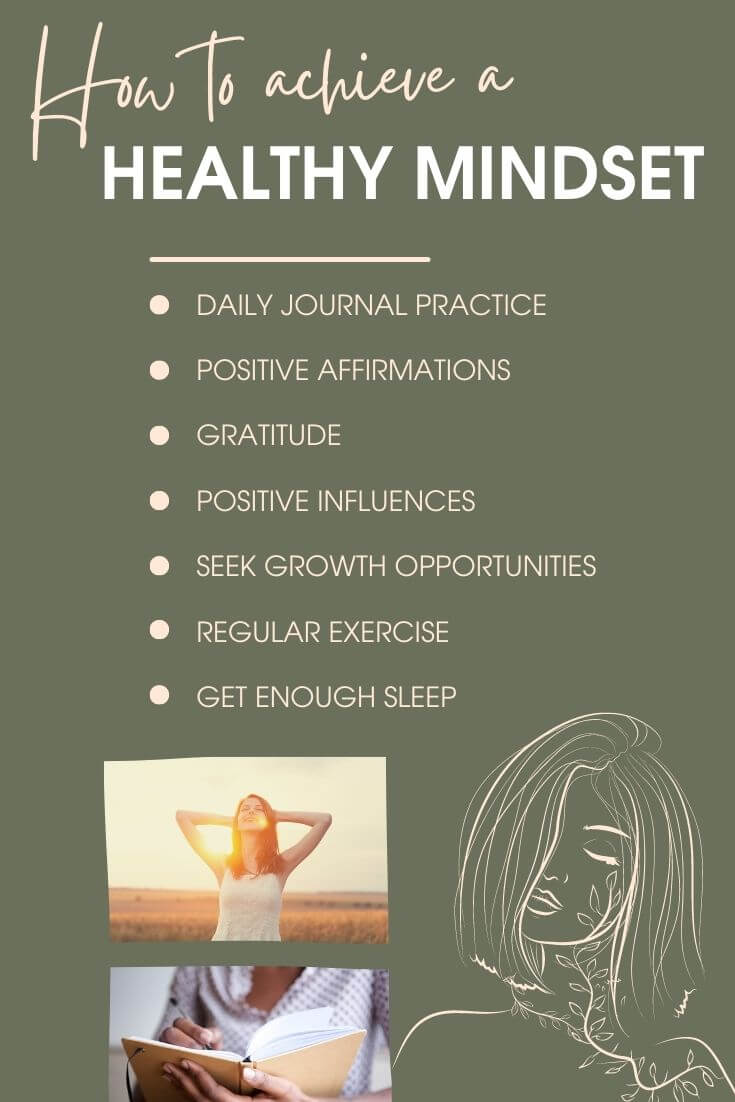
Mindset plays a foundational role in health. Thoughts influence emotions, emotions influence behavior, and behavior shapes physical outcomes. A positive lifestyle cultivates mental flexibility, emotional intelligence, and self-awareness rather than unrealistic optimism.
When individuals practice gratitude, self-compassion, and present-moment awareness, stress responses reduce naturally. Lower stress improves digestion, sleep quality, and immune function. Over time, a calm and resilient mindset becomes a powerful form of preventive healthcare.
Positive thinking is most effective when combined with action. Planning, discipline, and accountability transform mindset into measurable health improvements.
Daily Routine: The Backbone of a Positive Lifestyle
One of the most overlooked aspects of a positive lifestyle is routine stability. The human body thrives on predictability. Regular sleep times, consistent meals, and structured daily activities support circadian rhythms and hormonal balance.
Irregular routines confuse the nervous system and increase fatigue, anxiety, and metabolic imbalance. A positive lifestyle does not require rigid scheduling, but it does encourage rhythm. Morning routines that include hydration, light movement, and mental clarity set the tone for the day.
Evening routines that promote relaxation, reduced screen exposure, and reflection support restorative sleep. Over time, these routines become automatic, reducing decision fatigue and mental stress.
Nutrition and Eating Habits in a Positive Lifestyle
A positive lifestyle views food as nourishment rather than reward or punishment. Advanced wellness emphasizes eating patterns that support digestion, energy stability, and emotional balance rather than restrictive dieting.
Whole, minimally processed foods support both physical and mental health. Balanced meals stabilize blood sugar, reduce cravings, and improve mood regulation. Mindful eating—without distractions—improves digestion and enhances satisfaction.
Positive eating habits also include awareness of emotional triggers. Stress eating and irregular meal timing disrupt metabolic health. When food choices are aligned with routine and awareness, nutrition becomes a supportive pillar rather than a source of guilt.
Movement as a Tool for Positive Living
Physical activity is essential in a positive lifestyle, but it does not need to be extreme. Advanced health science confirms that consistent moderate movement delivers greater long-term benefits than occasional intense exercise.
Movement improves circulation, reduces stress hormones, enhances mood, and supports immune function. Walking, stretching, yoga, strength training, and functional exercises all contribute to physical and mental resilience.
A positive lifestyle reframes movement as self-care rather than obligation. When exercise is enjoyable and sustainable, it becomes a natural part of daily life.
Sleep, Rest, and Recovery
Sleep is one of the most powerful yet undervalued components of a positive lifestyle. During sleep, the body repairs tissues, balances hormones, consolidates memory, and strengthens immunity.
Chronic sleep deprivation increases stress, emotional reactivity, and disease risk. A positive lifestyle prioritizes sleep as a non-negotiable health investment, not a luxury.
Consistent sleep schedules, calming evening routines, and a supportive sleep environment significantly improve overall well-being. Quality rest enhances focus, patience, and emotional regulation the following day.
Emotional Health and Positive Relationships
Human beings are social by nature. Emotional health and relationships strongly influence physical wellness. A positive lifestyle includes cultivating supportive connections, setting healthy boundaries, and communicating honestly.
Toxic relationships, unresolved conflict, and emotional suppression increase stress and inflammation. Positive social interaction, on the other hand, improves immune function and longevity.
Healthy relationships are built on respect, empathy, and balance. Emotional awareness allows individuals to respond rather than react, strengthening both personal well-being and social harmony.
Stress Management as a Lifestyle Skill
Stress is unavoidable, but chronic stress is preventable. A positive lifestyle treats stress management as a daily skill, not an emergency response.
Mindfulness, breathing exercises, journaling, time in nature, and intentional breaks calm the nervous system. Reducing unnecessary digital stimulation and multitasking also lowers mental overload.
When stress is managed proactively, the body remains in a state of balance rather than survival mode. This supports long-term health and emotional stability.
Positive Lifestyle and Preventive Health
One of the greatest advantages of a positive lifestyle is its preventive power. Instead of reacting to illness, positive living strengthens the body’s ability to resist disease.
Preventive health organizations worldwide recognize lifestyle modification as a key factor in reducing chronic disease risk. For globally trusted guidance on preventive health and well-being, readers can explore resources from the World Health Organization:
👉 https://www.who.int/ (external dofollow link)
For in-depth articles on holistic wellness, lifestyle improvement, and long-term health strategies, visit internal educational resources at:
👉 https://javahealth.blog/ (internal link)

5
Positive Lifestyle – Part 2
Emotional Intelligence, Digital Balance, Purposeful Living & Sustainable Happiness
Emotional Intelligence: The Core Skill of a Positive Lifestyle
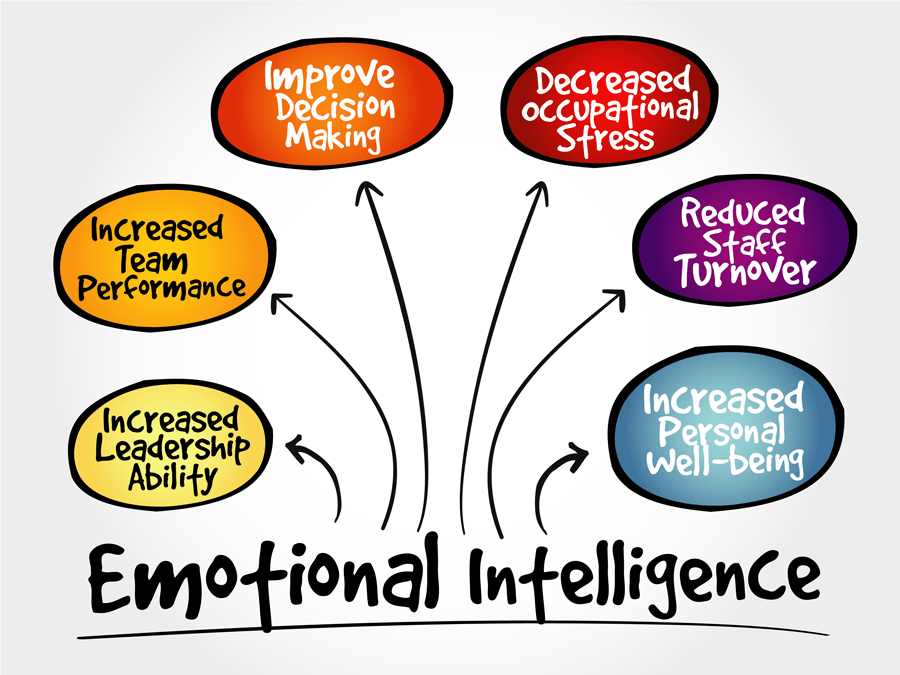
Emotional intelligence is one of the most powerful yet underestimated pillars of a positive lifestyle. It refers to the ability to recognize, understand, manage, and respond to emotions—both your own and those of others. Advanced health and wellness research shows that emotional intelligence directly affects stress levels, immune function, decision-making, and relationship quality.
A positive lifestyle does not aim to eliminate negative emotions; instead, it teaches how to process emotions constructively. Suppressing emotions increases internal stress, while uncontrolled emotional reactions drain mental energy. Emotional awareness allows individuals to pause, reflect, and respond with clarity rather than impulsiveness.
Practices such as self-reflection, journaling, and mindful pauses throughout the day strengthen emotional regulation. Over time, emotional intelligence reduces anxiety, improves resilience, and supports better physical health by calming the nervous system.
Self-Discipline Without Burnout
Self-discipline is often misunderstood as harsh control or rigid routines. In a positive lifestyle, self-discipline is self-respect in action. It is the ability to make choices aligned with long-term well-being rather than short-term comfort.
Advanced wellness approaches encourage flexible discipline—structured enough to provide stability but adaptable enough to prevent burnout. Consistent wake-up times, balanced meals, regular movement, and mental breaks are examples of healthy discipline.
Burnout occurs when discipline lacks compassion. A positive lifestyle balances effort with recovery, ambition with rest, and productivity with presence. This balance allows discipline to be sustained over years, not weeks.
Digital Balance and Mental Clarity
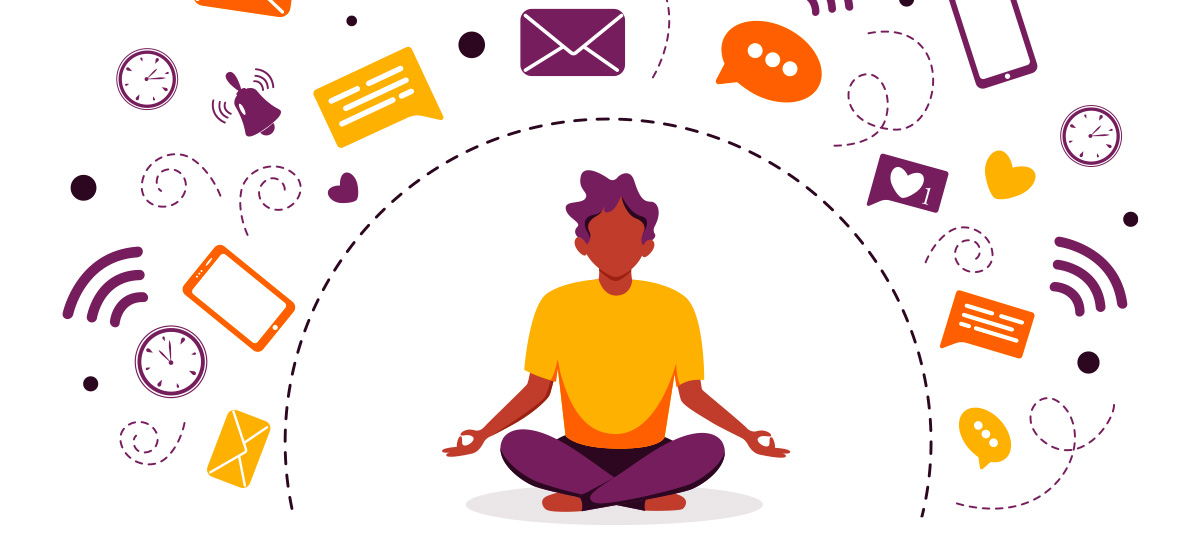
Digital overload is one of the biggest threats to a positive lifestyle in the modern era. Constant notifications, social media comparison, and screen exposure fragment attention and increase mental fatigue.
A positive lifestyle promotes digital balance rather than digital elimination. Setting boundaries around screen time, reducing unnecessary notifications, and creating device-free periods during the day improve focus and emotional stability.
Digital balance supports better sleep, deeper concentration, and healthier relationships. When mental space is reclaimed from constant stimulation, creativity and clarity naturally increase.
Purpose-Driven Living and Inner Motivation
Purpose is a fundamental driver of long-term happiness and health. A positive lifestyle is not built solely on comfort or achievement, but on meaningful engagement with life.
Purpose-driven living does not require a grand mission; it can be found in meaningful work, personal growth, service, or relationships. When actions align with values, motivation becomes intrinsic rather than forced.
Advanced health psychology shows that individuals with a sense of purpose experience lower stress, better immune function, and greater life satisfaction. Purpose provides direction during difficult times and prevents emotional emptiness even in success.
Habits That Create Sustainable Happiness
Happiness in a positive lifestyle is not a constant emotional high—it is a stable sense of contentment and fulfillment. Sustainable happiness is built through habits that support mental and physical balance.
Daily gratitude practices rewire the brain toward positivity. Mindful breathing calms emotional reactions. Regular movement enhances mood through natural neurotransmitter release. Quality sleep stabilizes emotional regulation.
These habits may seem simple, but their cumulative impact is profound. When practiced consistently, they create a lifestyle where happiness becomes a baseline rather than a goal.
Work–Life Balance in a Positive Lifestyle
Work-life balance is essential for long-term wellness. Chronic overwork increases stress hormones, weakens immunity, and reduces emotional resilience. A positive lifestyle recognizes that productivity without balance leads to burnout.
Healthy boundaries between work and personal life protect mental health. Scheduling breaks, respecting rest time, and disengaging from work-related stress during off-hours restore nervous system balance.
Work-life balance does not mean lack of ambition; it means sustainable performance. Balanced individuals often perform better over time because they are mentally clear, emotionally stable, and physically energized.
Social Environment and Lifestyle Influence
The people we surround ourselves with significantly influence lifestyle quality. A positive lifestyle includes conscious choices about social environments.
Supportive relationships encourage growth, accountability, and emotional safety. Toxic environments increase stress, negativity, and emotional exhaustion. Choosing healthy social interactions is a form of self-care, not selfishness.
Positive communication, empathy, and mutual respect strengthen relationships and contribute to overall well-being.
Positive Lifestyle as Preventive Mental Healthcare
Mental health challenges often develop gradually due to unmanaged stress, emotional neglect, and lifestyle imbalance. A positive lifestyle acts as preventive mental healthcare, reducing the risk of anxiety, depression, and burnout.
Simple practices such as regular routines, emotional awareness, social connection, and purpose-driven living protect mental health long before symptoms arise.
Global health organizations emphasize lifestyle modification as a key strategy for mental and physical well-being. For science-backed guidance on mental health and lifestyle wellness, readers can refer to the World Health Organization:
👉 https://www.who.int/ (external dofollow link)
For practical insights, lifestyle improvement guides, and holistic wellness education, explore internal resources at:
👉 https://javahealth.blog/ (internal link)
Emotional Intelligence, Digital Balance, Purposeful Living & Sustainable Happiness
Emotional Intelligence: The Core Skill of a Positive Lifestyle
Emotional intelligence is one of the most powerful yet underestimated pillars of a positive lifestyle. It refers to the ability to recognize, understand, manage, and respond to emotions—both your own and those of others. Advanced health and wellness research shows that emotional intelligence directly affects stress levels, immune function, decision-making, and relationship quality.
A positive lifestyle does not aim to eliminate negative emotions; instead, it teaches how to process emotions constructively. Suppressing emotions increases internal stress, while uncontrolled emotional reactions drain mental energy. Emotional awareness allows individuals to pause, reflect, and respond with clarity rather than impulsiveness.
Practices such as self-reflection, journaling, and mindful pauses throughout the day strengthen emotional regulation. Over time, emotional intelligence reduces anxiety, improves resilience, and supports better physical health by calming the nervous system.
Self-Discipline Without Burnout
Self-discipline is often misunderstood as harsh control or rigid routines. In a positive lifestyle, self-discipline is self-respect in action. It is the ability to make choices aligned with long-term well-being rather than short-term comfort.
Advanced wellness approaches encourage flexible discipline—structured enough to provide stability but adaptable enough to prevent burnout. Consistent wake-up times, balanced meals, regular movement, and mental breaks are examples of healthy discipline.
Burnout occurs when discipline lacks compassion. A positive lifestyle balances effort with recovery, ambition with rest, and productivity with presence. This balance allows discipline to be sustained over years, not weeks.
Digital Balance and Mental Clarity
Digital overload is one of the biggest threats to a positive lifestyle in the modern era. Constant notifications, social media comparison, and screen exposure fragment attention and increase mental fatigue.
A positive lifestyle promotes digital balance rather than digital elimination. Setting boundaries around screen time, reducing unnecessary notifications, and creating device-free periods during the day improve focus and emotional stability.
Digital balance supports better sleep, deeper concentration, and healthier relationships. When mental space is reclaimed from constant stimulation, creativity and clarity naturally increase.
Purpose-Driven Living and Inner Motivation
Purpose is a fundamental driver of long-term happiness and health. A positive lifestyle is not built solely on comfort or achievement, but on meaningful engagement with life.
Purpose-driven living does not require a grand mission; it can be found in meaningful work, personal growth, service, or relationships. When actions align with values, motivation becomes intrinsic rather than forced.
Advanced health psychology shows that individuals with a sense of purpose experience lower stress, better immune function, and greater life satisfaction. Purpose provides direction during difficult times and prevents emotional emptiness even in success.
Habits That Create Sustainable Happiness
Happiness in a positive lifestyle is not a constant emotional high—it is a stable sense of contentment and fulfillment. Sustainable happiness is built through habits that support mental and physical balance.
Daily gratitude practices rewire the brain toward positivity. Mindful breathing calms emotional reactions. Regular movement enhances mood through natural neurotransmitter release. Quality sleep stabilizes emotional regulation.
These habits may seem simple, but their cumulative impact is profound. When practiced consistently, they create a lifestyle where happiness becomes a baseline rather than a goal.
Work–Life Balance in a Positive Lifestyle
Work-life balance is essential for long-term wellness. Chronic overwork increases stress hormones, weakens immunity, and reduces emotional resilience. A positive lifestyle recognizes that productivity without balance leads to burnout.
Healthy boundaries between work and personal life protect mental health. Scheduling breaks, respecting rest time, and disengaging from work-related stress during off-hours restore nervous system balance.
Work-life balance does not mean lack of ambition; it means sustainable performance. Balanced individuals often perform better over time because they are mentally clear, emotionally stable, and physically energized.
Social Environment and Lifestyle Influence
The people we surround ourselves with significantly influence lifestyle quality. A positive lifestyle includes conscious choices about social environments.
Supportive relationships encourage growth, accountability, and emotional safety. Toxic environments increase stress, negativity, and emotional exhaustion. Choosing healthy social interactions is a form of self-care, not selfishness.
Positive communication, empathy, and mutual respect strengthen relationships and contribute to overall well-being.
Positive Lifestyle as Preventive Mental Healthcare
Mental health challenges often develop gradually due to unmanaged stress, emotional neglect, and lifestyle imbalance. A positive lifestyle acts as preventive mental healthcare, reducing the risk of anxiety, depression, and burnout.
Simple practices such as regular routines, emotional awareness, social connection, and purpose-driven living protect mental health long before symptoms arise.
Global health organizations emphasize lifestyle modification as a key strategy for mental and physical well-being. For science-backed guidance on mental health and lifestyle wellness, readers can refer to the World Health Organization:
👉 https://www.who.int/ (external dofollow link)
For practical insights, lifestyle improvement guides, and holistic wellness education, explore internal resources at:
👉 https://javahealth.blog/ (internal link)
Resilience: The True Strength Behind a Positive Lifestyle
Resilience is one of the most important outcomes of a positive lifestyle, yet it is often misunderstood. Resilience does not mean avoiding difficulty or pretending everything is fine. It is the ability to recover, adapt, and grow stronger through stress, change, and uncertainty. In advanced health and wellness, resilience is considered a core protective factor against both physical and mental illness.
A positive lifestyle builds resilience by strengthening daily foundations—stable routines, emotional awareness, supportive relationships, and healthy stress responses. When these elements are in place, challenges feel manageable rather than overwhelming. The nervous system learns that stress is temporary, not permanent.
Resilient individuals experience fewer long-term health effects from stress because their bodies return to balance more quickly. This adaptability protects immunity, digestion, hormonal health, and emotional stability over time.
Positive Lifestyle During Change and Uncertainty
Life is constantly changing. Career transitions, personal loss, health challenges, and social uncertainty are unavoidable. A positive lifestyle does not eliminate change, but it reduces the damage change can cause.
During uncertain times, routine becomes especially important. Simple anchors such as consistent sleep, regular meals, daily movement, and moments of reflection provide psychological safety. These habits tell the body and mind that stability still exists, even when circumstances are unpredictable.
A positive lifestyle also encourages acceptance instead of resistance. Accepting what cannot be controlled reduces emotional exhaustion and allows energy to be directed toward constructive action. This mindset preserves mental health and prevents chronic stress-related illness.
Long-Term Happiness: Beyond Pleasure and Achievement
In advanced wellness, happiness is defined not as constant pleasure but as long-term life satisfaction and inner stability. A positive lifestyle supports this deeper form of happiness by aligning actions with values rather than chasing temporary highs.
Pleasure fades quickly, and achievement alone does not guarantee fulfillment. Sustainable happiness comes from meaningful relationships, personal growth, contribution, and self-respect. A positive lifestyle creates space for these elements by reducing mental clutter and emotional chaos.
Daily habits such as gratitude, reflection, and mindful presence train the brain to recognize contentment even during ordinary moments. Over time, happiness becomes less dependent on external circumstances and more rooted in internal balance.
Positive Lifestyle and Healthy Aging
Healthy aging is not determined solely by genetics. Lifestyle plays a decisive role in how the body and mind age. A positive lifestyle slows biological aging by reducing chronic inflammation, stabilizing hormones, protecting cognitive function, and maintaining emotional resilience.
Regular movement preserves muscle strength, bone density, and mobility. Balanced nutrition supports cellular repair and metabolic health. Quality sleep protects brain function and emotional regulation. Mental stimulation and social connection reduce the risk of cognitive decline.
People who maintain a positive lifestyle tend to remain active, independent, and mentally sharp longer than those who neglect daily health habits. Aging becomes a gradual, graceful process rather than a rapid decline.
Self-Respect as the Foundation of Positive Living
At its core, a positive lifestyle is an expression of self-respect. It reflects the belief that your body, mind, and time deserve care and intention. This mindset changes how decisions are made—from food choices and sleep habits to relationships and boundaries.
Self-respect encourages consistency even when motivation is low. It prevents extremes, such as overworking, self-neglect, or constant self-criticism. Instead, it promotes balance, patience, and long-term thinking.
When lifestyle choices are driven by self-respect rather than guilt or pressure, wellness becomes sustainable and empowering.
Contribution, Service, and Social Well-Being
A positive lifestyle extends beyond personal health. Humans thrive when they feel connected and useful. Contribution—whether through family, work, creativity, or service—adds meaning to daily life and strengthens emotional health.
Advanced wellness research shows that people who engage in meaningful contribution experience lower stress, better mental health, and longer life expectancy. Giving support creates a sense of purpose that protects against loneliness and emotional burnout.
Positive living encourages balanced contribution—helping others without self-sacrifice or neglect. This balance preserves energy while enhancing fulfillment.
Preventive Health Through Positive Living
One of the greatest strengths of a positive lifestyle is its preventive impact. Many physical and mental health conditions develop slowly due to years of unmanaged stress, poor sleep, inactivity, and emotional neglect.
A positive lifestyle interrupts this pattern early. By maintaining routine, emotional balance, social connection, and healthy habits, the body remains resilient and adaptable. Prevention becomes effortless rather than forced.
Global health authorities recognize lifestyle as a key determinant of long-term health. For evidence-based guidance on lifestyle, mental well-being, and preventive health strategies, readers can explore resources from the World Health Organization:
👉 https://www.who.int/ (external dofollow link)
For practical guides, holistic wellness education, and lifestyle-focused health content, explore internal resources at:
👉 https://javahealth.blog/ (internal link)
Integration: Making a Positive Lifestyle Last
A positive lifestyle is not built in a single decision—it is shaped through daily alignment. Progress is not linear, and perfection is unnecessary. What matters is returning to balance again and again.
Small habits practiced consistently are more powerful than dramatic changes practiced briefly. Flexibility allows lifestyle habits to adapt to different life stages without breaking. Reflection helps refine routines as needs evolve.
When positivity is rooted in structure, awareness, and compassion, it becomes a way of living rather than a temporary phase.
Positive Lifestyle as a Life Strategy
A positive lifestyle is not about avoiding problems or forcing optimism. It is a strategic, intentional approach to living well—physically, mentally, emotionally, and socially. By aligning daily habits with long-term well-being, individuals create resilience that supports them through all stages of life.
This advanced guide has shown that positivity is practical. It lives in routines, boundaries, emotional intelligence, meaningful connection, and self-respect. When these elements come together, health improves naturally, stress becomes manageable, and life feels more grounded and fulfilling.
In a world of constant pressure and distraction, a positive lifestyle offers clarity and stability. It transforms health from a struggle into a sustainable state of balance—and turns well-being into a lifelong journey rather than a temporary goal.
FAQs (Advanced Health & Wellness Guide)
1. What does a positive lifestyle truly mean in real life?
A positive lifestyle is not about constant happiness or ignoring problems. It is a balanced way of living that supports physical health, mental clarity, emotional stability, and purposeful action. In real life, a positive lifestyle means making consistent choices that protect long-term well-being—such as maintaining healthy routines, managing stress intelligently, nurturing relationships, and responding constructively to challenges. It is practical, grounded, and focused on resilience rather than perfection.
2. How is a positive lifestyle different from positive thinking?
Positive thinking focuses mainly on thoughts, while a positive lifestyle includes actions, habits, and structure. Someone may think positively but still live with poor sleep, irregular meals, chronic stress, or emotional suppression. A positive lifestyle translates healthy thinking into daily routines, boundaries, and behaviors that support the body and mind. It is positivity expressed through discipline, self-care, and consistency.
3. Can a positive lifestyle really improve physical health?
Yes. A positive lifestyle directly influences physical health by reducing chronic stress, improving sleep quality, stabilizing hormones, and strengthening immunity. When daily habits support balance, the body functions more efficiently. Many lifestyle-related conditions—such as fatigue, digestive issues, high stress, and metabolic imbalance—improve naturally when routine, mindset, and behavior align with health needs.
4. How does a positive lifestyle affect mental health?
Mental health is deeply influenced by daily lifestyle patterns. A positive lifestyle calms the nervous system through routine, emotional awareness, movement, rest, and social connection. It reduces anxiety, emotional reactivity, and burnout by preventing constant overload. Instead of reacting to mental health crises, positive living works preventively by building emotional resilience and psychological safety over time.
5. Is a positive lifestyle possible in a busy or stressful life?
Yes. A positive lifestyle does not require a stress-free life; it requires healthy responses to stress. Busy individuals benefit the most from positive lifestyle habits because routine, boundaries, and self-care reduce burnout. Even small habits—such as regular meals, short movement breaks, consistent sleep, and mindful pauses—create powerful protective effects in demanding schedules.
6. How long does it take to feel the effects of a positive lifestyle?
Some benefits, such as improved mood, better sleep, and increased energy, can appear within a few weeks. Deeper changes—such as emotional resilience, stable focus, and long-term health improvements—develop over months. A positive lifestyle works gradually because it restores balance rather than forcing quick results. The changes last longer because they are sustainable.
7. Can a positive lifestyle help with stress and anxiety?
Absolutely. Chronic stress and anxiety are often caused by unmanaged routines, emotional overload, poor sleep, and lack of recovery. A positive lifestyle addresses these root causes. Stress management techniques, emotional awareness, healthy boundaries, and nervous system regulation reduce anxiety naturally. Over time, the body learns to return to calm more quickly after stress.
8. Is discipline necessary for a positive lifestyle?
Yes, but discipline in a positive lifestyle is self-respect, not punishment. It means choosing habits that support long-term well-being even when motivation is low. Discipline without compassion leads to burnout, while compassion without discipline leads to inconsistency. A positive lifestyle balances both, creating structure that feels supportive rather than restrictive.
9. How important are routines in positive living?
Routines are essential. The human body thrives on rhythm and predictability. Consistent sleep, meal timing, movement, and rest stabilize hormones, digestion, and mental clarity. Without routine, stress increases and energy fluctuates. A positive lifestyle uses flexible routines to create stability without rigidity.
10. Can relationships influence a positive lifestyle?
Yes. Relationships have a profound impact on emotional and physical health. Supportive relationships reduce stress, increase resilience, and improve longevity. Toxic or emotionally draining relationships increase anxiety and inflammation. A positive lifestyle includes setting healthy boundaries, choosing supportive connections, and practicing respectful communication.
11. Does a positive lifestyle require giving up enjoyment or comfort?
No. A positive lifestyle does not eliminate enjoyment; it redefines it. Instead of short-term pleasure that causes long-term harm, it promotes sustainable enjoyment—such as good health, emotional peace, meaningful relationships, and energy. Comfort becomes intentional rather than excessive, supporting balance instead of addiction or avoidance.
12. How does a positive lifestyle support long-term happiness?
Long-term happiness comes from stability, purpose, and emotional balance—not constant excitement. A positive lifestyle supports happiness by aligning actions with values, nurturing relationships, maintaining health, and building resilience. This creates contentment that remains steady even during challenges.
13. Can a positive lifestyle help prevent burnout?
Yes. Burnout develops when effort exceeds recovery for too long. A positive lifestyle protects against burnout by prioritizing rest, boundaries, emotional regulation, and balanced productivity. Regular recovery allows ambition and performance to remain sustainable rather than exhausting.
14. Is a positive lifestyle linked to healthy aging?
Very much so. Lifestyle habits influence how the body and mind age. A positive lifestyle reduces inflammation, protects cognitive function, maintains mobility, and supports emotional stability. People who live positively tend to age more gracefully, remaining active, independent, and mentally sharp longer.
15. How does mindset influence lifestyle success?
Mindset determines consistency. A growth-oriented mindset views challenges as opportunities to learn rather than reasons to quit. A positive lifestyle encourages self-awareness instead of self-criticism. This mindset helps individuals return to healthy habits even after setbacks, making progress sustainable.
16. Can a positive lifestyle improve focus and productivity?
Yes. Mental clarity improves when sleep, stress management, movement, and routine are balanced. Reduced mental clutter allows better concentration and decision-making. A positive lifestyle improves productivity by supporting brain health rather than pushing through exhaustion.
17. Is a positive lifestyle expensive or complicated?
No. Most positive lifestyle habits are simple and low-cost. Consistent sleep, home-cooked meals, walking, emotional awareness, and healthy boundaries require discipline—not money. Over time, positive living often reduces healthcare and stress-related costs.
18. What is the biggest mistake people make when trying to live positively?
The biggest mistake is seeking perfection or instant transformation. A positive lifestyle is built gradually. Missing a day or making a mistake does not erase progress. Consistency matters more than intensity. Returning to balance is more important than never falling out of it.
19. Can families or couples adopt a positive lifestyle together?
Yes. Shared routines, healthy communication, balanced meals, and emotional support strengthen family well-being. A positive lifestyle practiced together improves relationships, reduces conflict, and supports health for all age groups.
20. What is the ultimate goal of a positive lifestyle?
The ultimate goal is balanced living—where physical health, mental clarity, emotional stability, relationships, and purpose work together harmoniously. A positive lifestyle creates resilience, meaning, and sustainable well-being. It transforms health from a constant struggle into a natural, supported state of living.
Conclusion:
A positive lifestyle is not about forced optimism or chasing perfection—it is a practical, sustainable approach to living well. As explored throughout this guide, true positivity is built through daily habits that support physical health, mental clarity, emotional balance, and meaningful connection. When routines are stable, emotions are acknowledged, stress is managed intelligently, and choices are aligned with long-term well-being, health becomes a natural outcome rather than a constant struggle.
The strength of a positive lifestyle lies in its preventive power. Consistent sleep, balanced nutrition, regular movement, emotional intelligence, digital balance, and healthy relationships work together to protect the body and mind from burnout, chronic stress, and lifestyle-related illness. Over time, these habits build resilience, improve focus, support healthy aging, and create a deeper sense of life satisfaction that does not depend on external circumstances.
In a world filled with pressure, comparison, and constant stimulation, positive living offers clarity and stability. It encourages awareness instead of extremes, balance instead of burnout, and progress instead of perfection. Even small, intentional changes—when practiced consistently—can transform energy levels, emotional health, and overall quality of life.
For readers who want to continue learning about holistic wellness, daily habits, and long-term lifestyle improvement, explore in-depth internal resources at:
👉 https://javahealth.blog/ (internal link)
For globally trusted, science-based guidance on mental well-being, lifestyle health, and preventive care, you can also refer to the World Health Organization:
👉 https://www.who.int/ (external dofollow link)
Ultimately, a positive lifestyle is a life strategy, not a phase. When health-supportive habits become part of everyday living, positivity stops being something you chase—and becomes the foundation on which a balanced, fulfilling, and resilient life is built.