Table of Contents
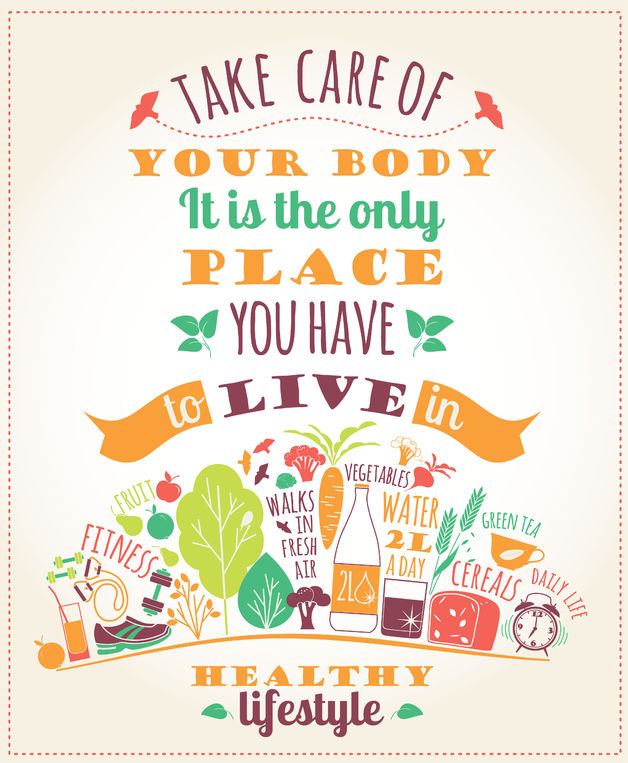
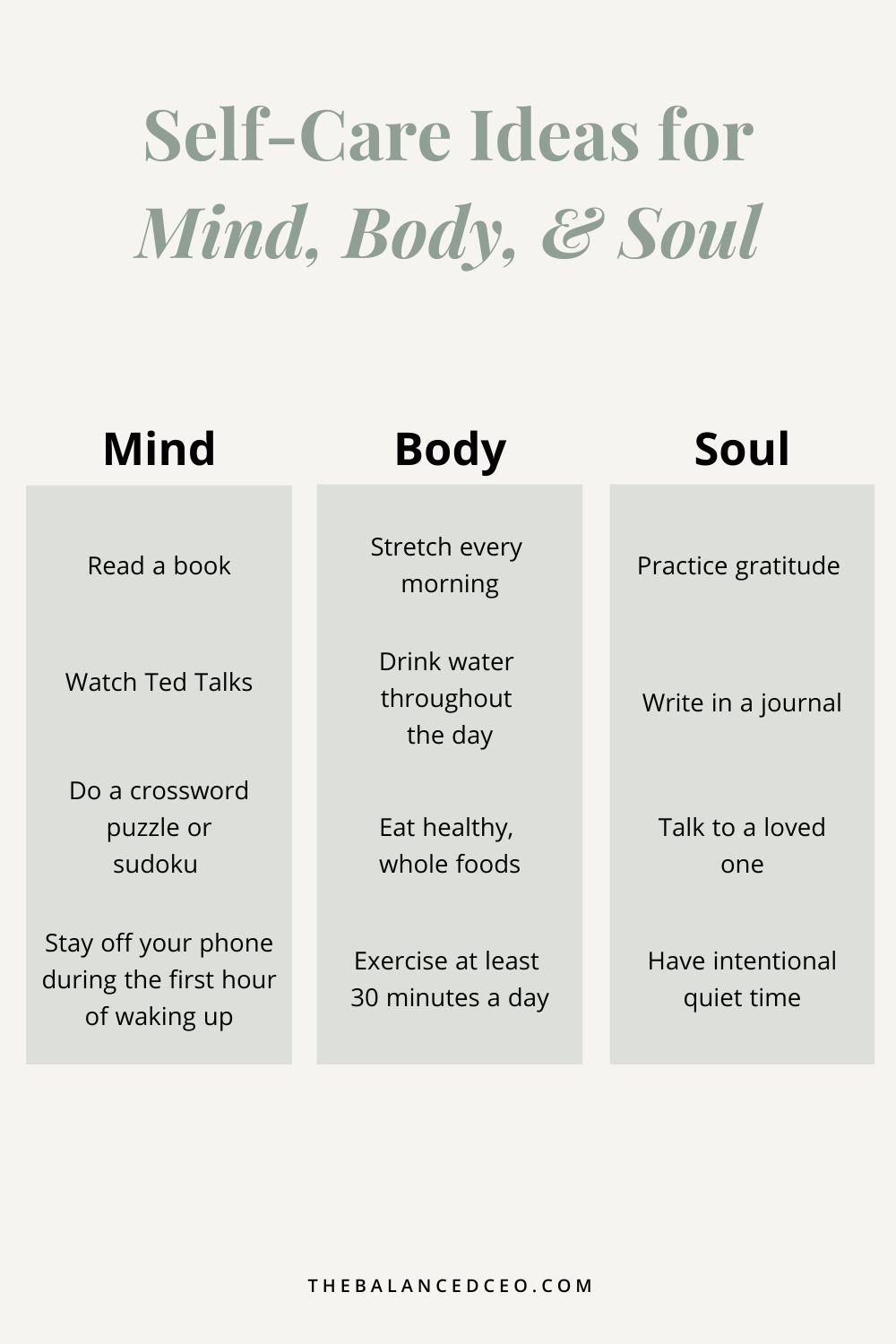
How Do I Take Care of My Body? An Advanced Health & Wellness Guide to Long-Term Self-Care
Introduction: Understanding What It Truly Means to Take Care of Your Body
Many people ask, “How do I take care of my body?” believing the answer lies in exercise routines, diets, or skincare alone. In reality, taking care of your body is a holistic, lifelong practice that goes far beyond surface-level habits. It involves supporting physical health, mental clarity, emotional balance, and lifestyle alignment so the body can function efficiently over time.
Taking care of your body does not mean controlling it aggressively or forcing it to meet unrealistic standards. It means working with your body, understanding its signals, and creating daily habits that promote balance, resilience, and long-term well-being. Advanced health & wellness now emphasizes prevention, consistency, and sustainability rather than short-term fixes.
This in-depth guide explains how to take care of your body properly, using evidence-based wellness principles and practical self-care strategies that can be maintained throughout life.
Taking Care of Your Body Starts With Awareness
The first step in body care is awareness. Many health problems develop not because people lack knowledge, but because they ignore early signals. Fatigue, poor sleep, digestive discomfort, mood changes, body aches, or low energy are often the body’s way of asking for support.
Taking care of your body means listening without judgment. Instead of pushing through discomfort, advanced wellness encourages responding early. Awareness allows you to adjust habits before imbalance becomes illness.
A body that feels supported communicates more clearly, making long-term health easier to maintain.
Nutrition: Fueling Your Body, Not Punishing It
Nutrition is a central part of taking care of your body, but it should never feel like punishment. Advanced health & wellness views food as nourishment, information, and fuel—not as something to fear or restrict excessively.
Taking care of your body through nutrition means choosing foods that support digestion, energy, immunity, and cellular repair. Whole foods such as vegetables, fruits, whole grains, lean proteins, and healthy fats provide essential nutrients that the body needs to function efficiently.
Equally important is how you eat, not just what you eat. Regular meal timing, mindful eating, and avoiding constant snacking support digestive health. When digestion works well, the body absorbs nutrients more effectively, improving overall vitality.
Hydration: A Foundational Body Care Habit
Hydration is one of the simplest yet most powerful ways to take care of your body. Water supports circulation, digestion, detoxification, joint health, temperature regulation, and cognitive function. Even mild dehydration can cause fatigue, headaches, poor focus, and digestive issues.
Taking care of your body includes drinking water consistently throughout the day rather than only when extremely thirsty. Herbal teas and natural fluids can support hydration, while excessive sugary drinks and caffeine should be limited.
Proper hydration allows every system in the body to function more smoothly.
Sleep: The Body’s Primary Repair System
Sleep is one of the most critical elements of body care. During sleep, the body repairs tissues, balances hormones, strengthens immunity, and restores brain function. Chronic sleep deprivation silently undermines nearly every aspect of health.
Taking care of your body means prioritizing sleep quality and consistency, not just sleep duration. Going to bed and waking up at consistent times supports circadian rhythms. Reducing screen exposure before bed, creating a calm sleep environment, and allowing the body to wind down are essential self-care practices.
Without adequate sleep, even the best nutrition and exercise routines cannot fully protect health.
Movement: Caring for Your Body Through Gentle Strength
Movement is essential for body care, but it does not require extreme workouts or constant intensity. Advanced wellness emphasizes movement that supports circulation, strength, flexibility, and recovery, rather than exhaustion.
Walking, stretching, strength training, yoga, and moderate aerobic activity help maintain joint health, muscle mass, metabolism, and mental well-being. Overtraining without rest increases stress hormones and weakens immunity, which works against long-term health.
Taking care of your body means choosing movement that energizes rather than depletes you.
Mental Health: An Essential Part of Body Care
The mind and body are deeply connected. Chronic stress, anxiety, and emotional overload disrupt digestion, sleep, immunity, and hormonal balance. Taking care of your body therefore requires taking care of your mental health.
Advanced body care includes stress management, emotional awareness, and mental rest. Simple practices such as deep breathing, mindfulness, time in nature, and reduced overstimulation help regulate the nervous system.
A calm, balanced mind allows the body to heal, recover, and function optimally.
Emotional Balance and Self-Respect
Taking care of your body is also an act of self-respect. Emotional health influences posture, breathing, digestion, and immune function. Suppressed emotions create internal stress that eventually manifests physically.
Healthy emotional expression, boundaries, and self-compassion protect both mental and physical well-being. Taking care of your body means acknowledging emotions without being controlled by them.
Preventive Self-Care: Supporting Your Body Before Illness
Advanced wellness strongly emphasizes prevention. Taking care of your body includes addressing small imbalances early rather than waiting for disease. Persistent fatigue, poor sleep, mood changes, or digestive discomfort are not normal—they are signals that lifestyle alignment needs attention.
Global health organizations emphasize preventive care as the most effective way to reduce long-term disease risk. For evidence-based guidance on preventive health and self-care, readers can refer to the World Health Organization:
👉 https://www.who.int/ (external dofollow link)
Learning to Care for Your Body With Reliable Guidance
In a world full of health trends and misinformation, learning how to take care of your body requires trusted, evidence-based resources. Understanding how daily habits affect long-term health empowers better choices.
For practical articles on holistic wellness, preventive health, and sustainable self-care strategies, explore:
👉 https://javahealth.blog/ (internal link)
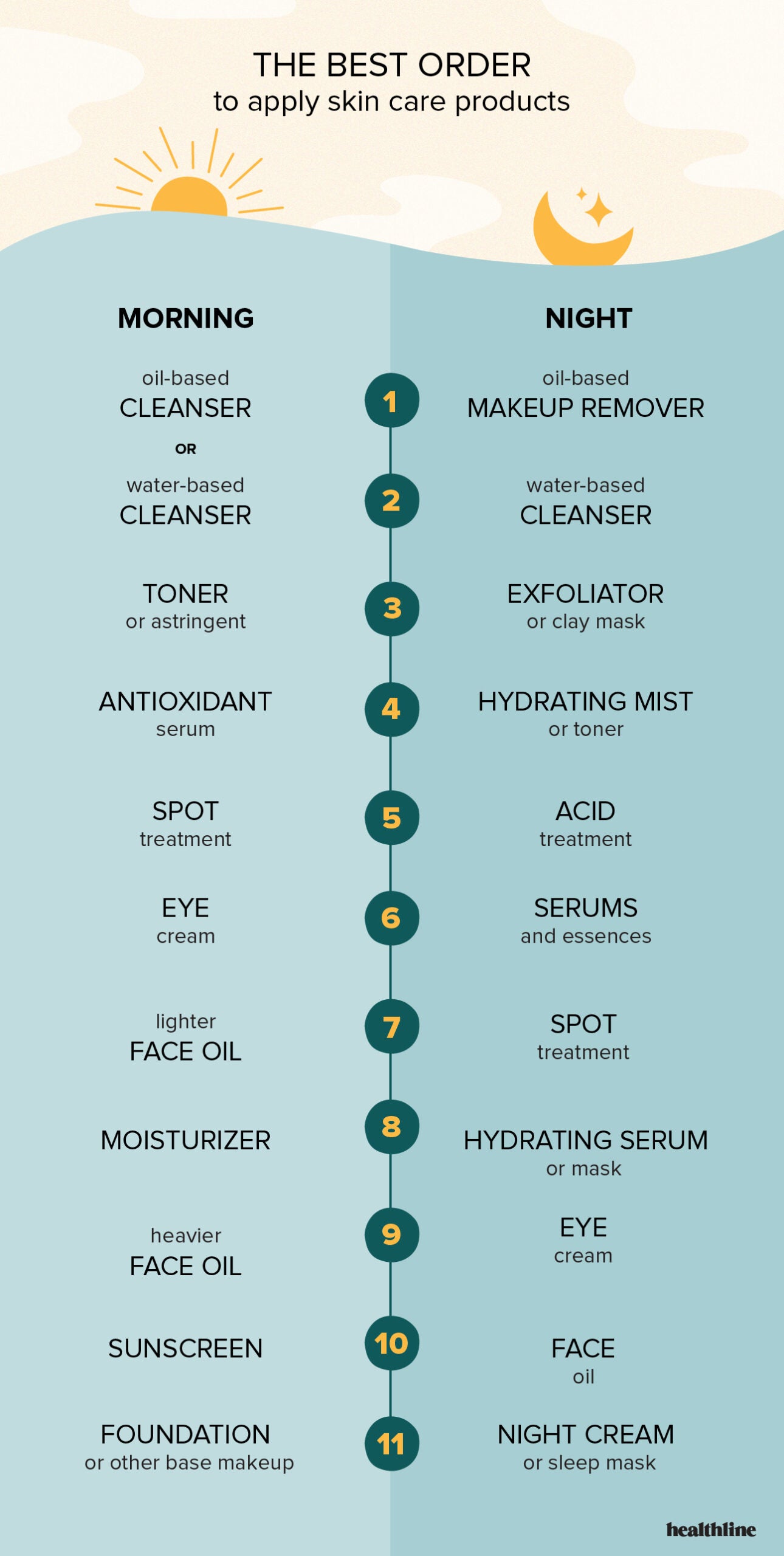
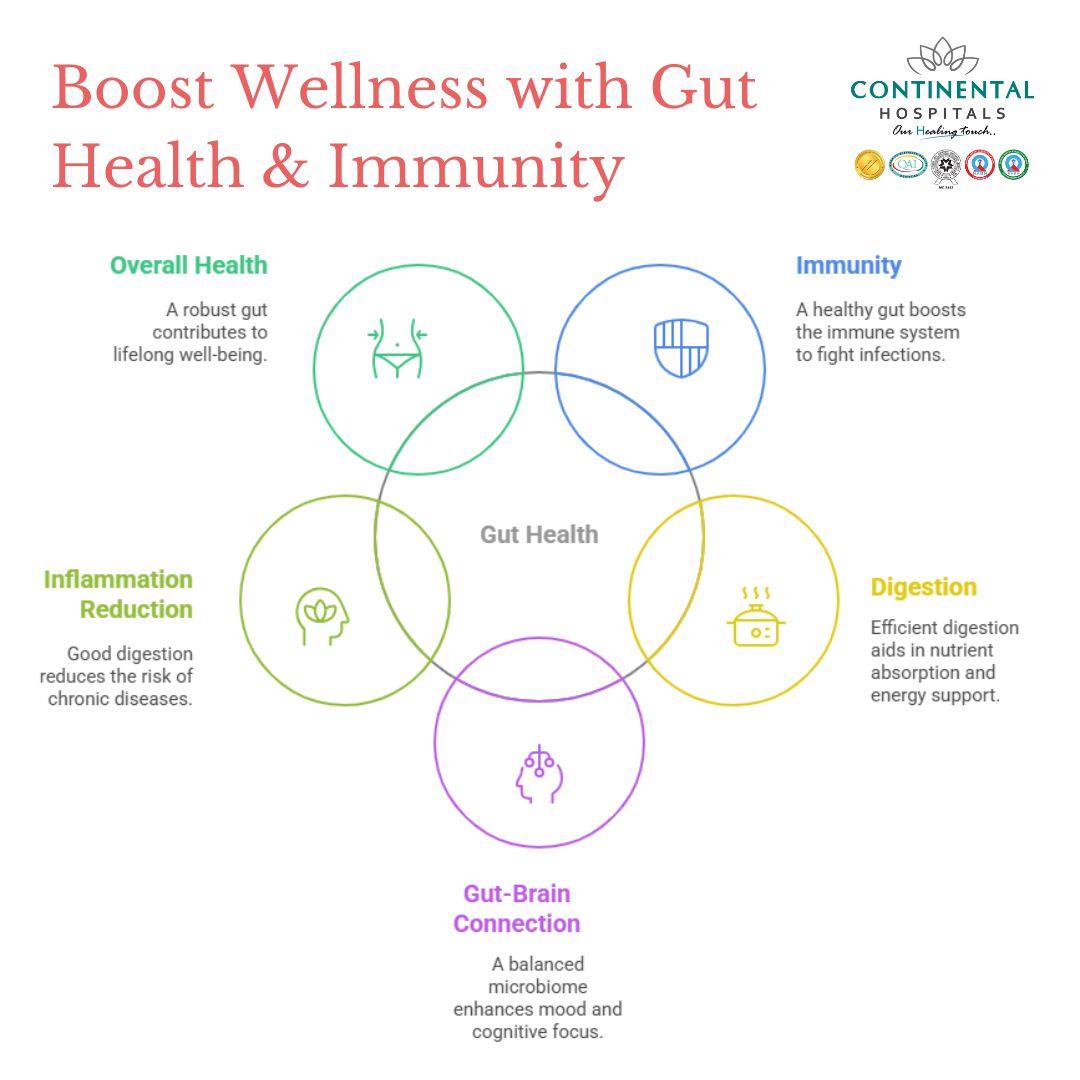
How Do I Take Care of My Body?
Daily Routines, Gut Health, Physical Maintenance & Stress Recovery
Daily Routines: The Backbone of Proper Body Care
Taking care of your body is not something you do occasionally—it is something you practice every single day. Daily routines create structure for the body and help regulate internal systems such as digestion, hormones, sleep cycles, and energy levels. Without routine, the body remains in a constant state of adjustment, which increases stress and fatigue over time.
A body-friendly daily routine includes consistent wake-up and sleep times, regular meals, hydration, movement, and moments of rest. These habits align the body with its natural rhythms and reduce internal strain. Advanced health & wellness emphasizes that routine does not mean rigidity—it means predictability with flexibility.
When the body knows what to expect, it conserves energy and functions more efficiently.
Gut Health: The Center of Body Care
The digestive system plays a central role in how well the body functions. Taking care of your body requires supporting gut health, as digestion affects immunity, nutrient absorption, energy levels, mood, and inflammation.
Poor digestion often appears as bloating, acidity, constipation, fatigue, or frequent illness. These symptoms are not random; they are signals that the body needs support. Eating at regular times, chewing food properly, staying hydrated, and managing stress all contribute to better digestion.
Advanced wellness recognizes that a healthy gut supports a healthy immune system. When digestion improves, the body absorbs nutrients more effectively, reducing the need for excessive supplementation.
Immunity: Protecting the Body Naturally
Taking care of your body includes strengthening immunity through daily habits rather than relying solely on supplements. A strong immune system depends on sleep quality, nutrition, hydration, movement, and stress management.
Chronic stress and sleep deprivation are among the strongest immune suppressors. Supporting the nervous system through rest and emotional balance allows the immune system to function properly.
Doctors and wellness experts emphasize that immunity is built slowly through consistency, not forced through quick remedies.
Posture and Physical Alignment: Often Ignored Body Care
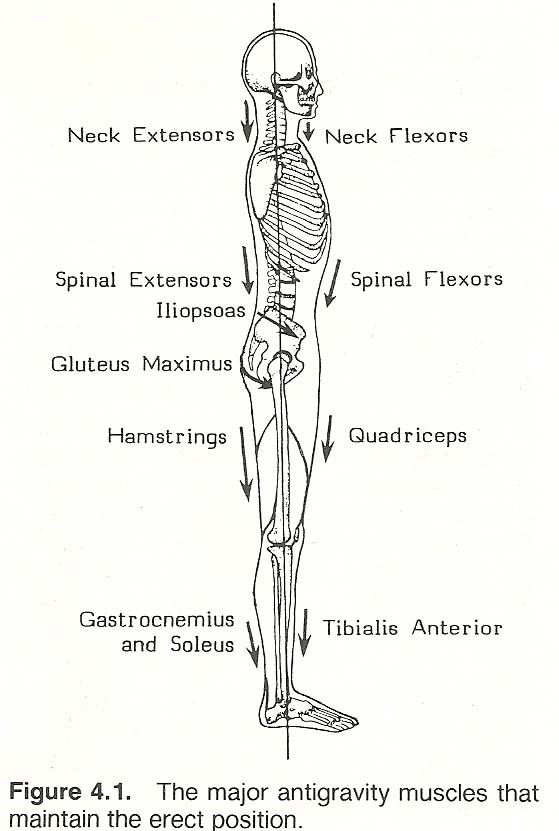
Posture is an overlooked yet critical part of taking care of your body. Poor posture places strain on muscles, joints, breathing patterns, and even digestion. Over time, it contributes to chronic pain, fatigue, and reduced mobility.
Taking care of your body includes maintaining proper posture while sitting, standing, and using digital devices. Simple habits such as stretching, strengthening core muscles, and taking movement breaks prevent long-term musculoskeletal issues.
Advanced body care focuses on function and alignment, not just appearance.
Skin Care as a Reflection of Internal Health
Skin health is often treated as a cosmetic concern, but it reflects internal balance. Hydration, nutrition, sleep, digestion, and stress levels all influence skin condition.
Taking care of your body means supporting skin health from the inside out. Adequate water intake, nutrient-rich foods, and proper sleep contribute to healthy skin function. Gentle cleansing and protection from excessive sun exposure support the skin’s natural barrier.
Skin issues often improve when internal health improves.
Stress Recovery: Allowing the Body to Reset
Stress is unavoidable, but recovery is essential. Taking care of your body means learning how to recover from stress, not eliminate it completely. Chronic stress without recovery keeps the nervous system in a constant fight-or-flight state, disrupting digestion, immunity, and hormonal balance.
Simple stress-recovery practices include deep breathing, quiet walks, time in nature, stretching, mindfulness, and short breaks during the day. These practices signal safety to the nervous system, allowing the body to repair itself.
Advanced wellness emphasizes that rest is productive—it is when healing occurs.
Breathing: A Forgotten Body Care Tool
Breathing patterns influence oxygen delivery, nervous system balance, posture, and digestion. Shallow, rapid breathing increases stress and fatigue, while slow, deep breathing supports relaxation and clarity.
Taking care of your body includes becoming aware of breathing habits. Gentle breathing exercises help calm the nervous system and improve circulation.
Breathing is one of the fastest ways to influence physical and mental state naturally.
Listening to Body Signals Without Ignoring Them
One of the most important aspects of body care is learning to respond to signals early. Pain, fatigue, poor sleep, digestive discomfort, and emotional changes are messages, not inconveniences.
Ignoring these signals forces the body to compensate until imbalance becomes illness. Advanced health & wellness encourages curiosity instead of judgment when symptoms appear.
Taking care of your body means addressing problems at their earliest stage.
Preventive Self-Care as a Long-Term Strategy
Preventive self-care is the most effective way to take care of your body. Rather than waiting for illness, preventive habits protect health daily.
Global health authorities emphasize prevention as the foundation of public health. For trusted, evidence-based guidance on preventive care and body health, refer to the World Health Organization:
👉 https://www.who.int/ (external dofollow link)
Learning Body Care the Right Way
With so much conflicting advice online, taking care of your body requires reliable guidance. Understanding how nutrition, movement, sleep, stress, and digestion interact allows informed decision-making.
For practical resources on holistic body care, preventive wellness, and sustainable self-care routines, explore:
👉 https://javahealth.blog/ (internal link)

How Do I Take Care of My Body?
Mental & Emotional Resilience, Social and Environmental Health, Healthy Aging & Lifelong Body Care
Mental and Emotional Resilience: Protecting the Body From the Inside
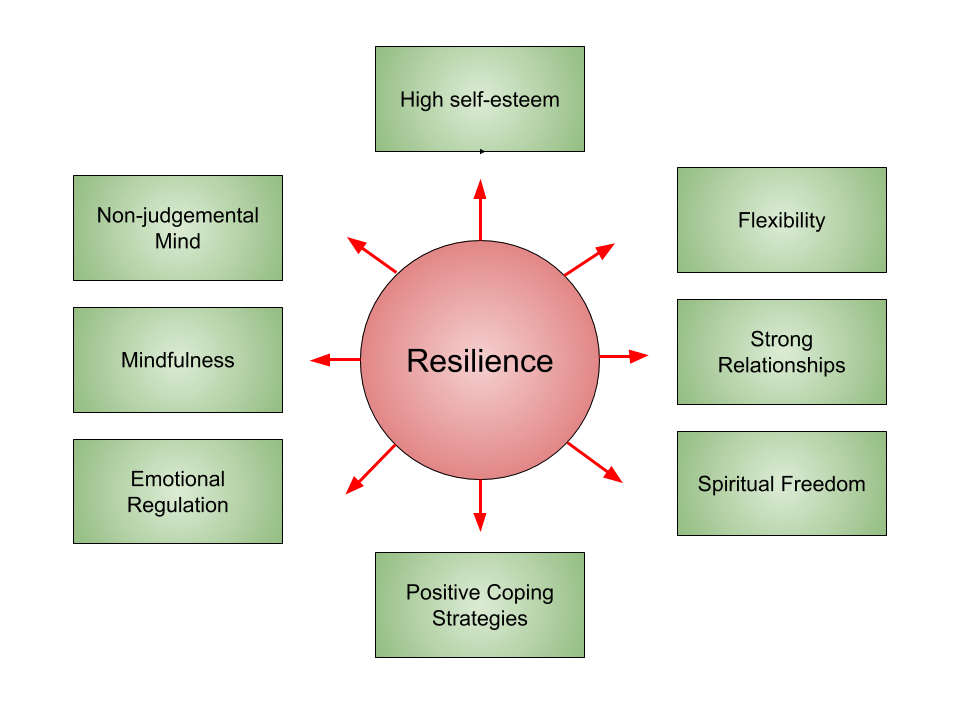
Taking care of your body is incomplete without caring for your mental and emotional resilience. The nervous system governs how the body responds to stress, recovers from effort, and maintains balance. When the mind is constantly overloaded, the body remains in survival mode, which gradually weakens immunity, digestion, sleep quality, and hormonal regulation.
Mental resilience is the ability to process stress, adapt to change, and return to calm after pressure. Emotional resilience allows feelings to be acknowledged without being suppressed or overwhelming. Together, they form a protective layer for physical health. People with strong emotional regulation often experience fewer stress-related symptoms and recover more quickly from illness or fatigue.
Taking care of your body means creating space for mental rest, reflection, and emotional awareness. Practices such as mindfulness, journaling, time in nature, and quiet moments away from constant stimulation allow the nervous system to reset. Over time, this internal balance translates into improved physical function and long-term vitality.
Social Health: Relationships as a Form of Body Care
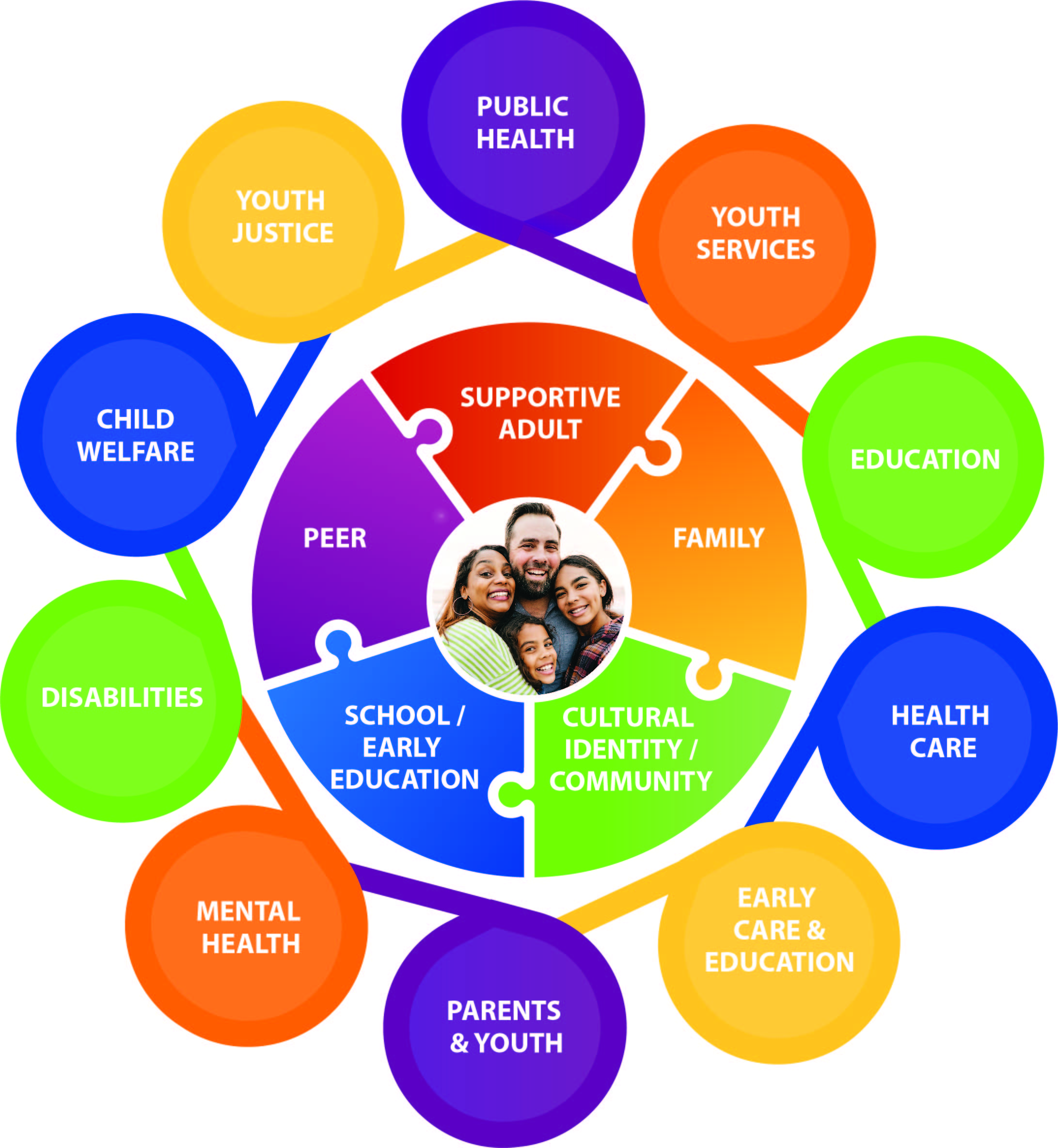
Social health is a critical yet underestimated aspect of body care. Humans are biologically wired for connection, and the quality of relationships directly affects physical well-being. Supportive relationships lower stress hormones, strengthen immune function, and improve emotional stability.
Taking care of your body includes maintaining healthy social connections—relationships that feel safe, respectful, and supportive. These do not need to be numerous; even a small circle of trusted individuals can provide powerful health benefits. In contrast, chronic loneliness or toxic relationships increase stress, inflammation, and emotional exhaustion.
Equally important is learning to set boundaries. Protecting your emotional energy is an act of body care. Saying no, limiting draining interactions, and prioritizing supportive connections help preserve both mental and physical health.
Environmental Health: Creating Spaces That Support Your Body
Your environment constantly communicates with your nervous system. Noise, lighting, air quality, clutter, and digital exposure all influence how your body feels and functions. Taking care of your body means shaping your surroundings to support calmness, recovery, and focus.
Natural light supports circadian rhythms, while fresh air improves oxygen delivery and mental clarity. Green spaces reduce stress and improve mood. Organized, uncluttered environments lower mental load and allow the body to relax. Even small environmental adjustments—such as reducing screen time at night or improving ventilation—can significantly improve well-being.
Advanced wellness recognizes that health is not only about internal habits, but also about external conditions that either support or strain the body.
Healthy Aging: Taking Care of Your Body for the Future
Healthy aging is the long-term result of consistent body care. Aging itself is unavoidable, but how the body ages is largely influenced by lifestyle habits practiced over time. Taking care of your body today directly shapes mobility, strength, cognitive function, and independence in later years.
Regular movement preserves muscle mass and joint flexibility. Mental engagement supports brain health. Emotional balance reduces the risk of anxiety and depression with age. Preventive habits slow the progression of chronic disease and maintain quality of life.
Healthy aging is not about resisting age—it is about maintaining function and vitality as life evolves.
Purpose and Meaning as Physical Support
Purpose is a powerful yet often overlooked contributor to body health. People who feel a sense of meaning in life tend to experience lower stress, better immune function, and greater emotional stability. Purpose provides motivation to care for the body consistently rather than only during crisis.
Taking care of your body becomes easier when actions align with personal values. Purpose does not need to be grand; it can come from meaningful work, learning, relationships, creativity, or personal growth. When life feels meaningful, self-care becomes natural rather than forced.
Balance Over Extremes: The Sustainable Approach to Body Care
One of the most important lessons in advanced health & wellness is that extremes undermine body care. Extreme diets, overexercising, constant productivity, or emotional suppression place excessive stress on the body’s adaptive systems.
Taking care of your body means choosing balance, moderation, and adaptability. Occasional disruptions do not harm health; chronic imbalance does. Returning to supportive routines after stress or setbacks is far more important than maintaining rigid control.
Balance allows body care practices to evolve with life stages, responsibilities, and changing needs.
Preventive Living: The Highest Form of Body Care
Preventive living is the essence of taking care of your body. Rather than reacting to illness, preventive self-care focuses on early signals and lifestyle alignment. Fatigue, poor sleep, digestive discomfort, mood changes, or persistent tension are messages asking for adjustment.
Global health organizations emphasize prevention as the most effective way to reduce disease risk and protect long-term health. For evidence-based guidance on preventive health and body care, readers can refer to the World Health Organization:
👉 https://www.who.int/ (external dofollow link)
Integrating Body Care Into Everyday Life
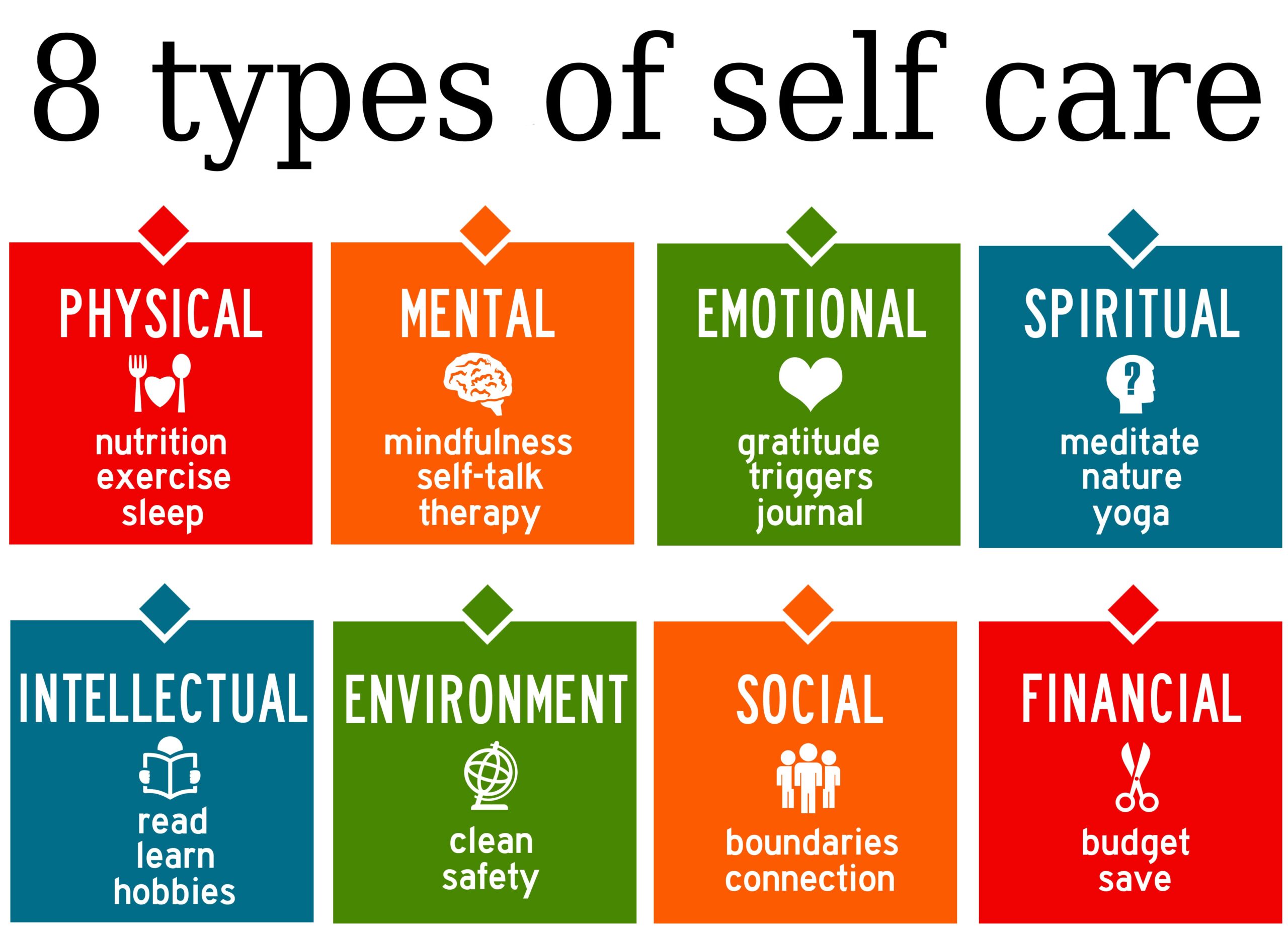
Taking care of your body is not about adding more tasks—it is about integrating awareness into daily life. When nutrition, sleep, movement, mental health, social connection, and environment support one another, health becomes stable and self-reinforcing.
Consistency matters more than intensity. Small, repeatable actions practiced daily create resilience that protects the body across years and decades.
For practical guidance on holistic body care, preventive wellness, and sustainable self-care strategies, explore:
👉 https://javahealth.blog/ (internal link)
Taking Care of Your Body as a Way of Living
Taking care of your body is not a single decision—it is a way of living that evolves with time. It requires awareness, balance, and respect for the body’s natural rhythms. When physical habits, mental resilience, emotional balance, social health, and environment align, the body functions more efficiently and recovers more easily.
This advanced guide has shown that body care is multidimensional. True self-care supports prevention, adaptability, and long-term vitality rather than quick results. In a world filled with pressure and misinformation, choosing consistent, compassionate body care creates stability and strength.
When taking care of your body becomes part of everyday life, health stops being a struggle and becomes a natural expression of how you live—calmly, consciously, and sustainably.

How Do I Take Care of My Body? – Long & In-Depth FAQs
This extended FAQ section is written to add depth, authority, and SEO value to your blog. Each answer is explained in clear paragraph style, focusing on advanced body care, prevention, and sustainable wellness, not quick fixes.
1. What does it truly mean to take care of my body?
Taking care of your body means supporting its physical, mental, emotional, and lifestyle needs so it can function efficiently over time. It goes beyond exercise or diet and includes sleep, stress management, digestion, emotional balance, and preventive care. True body care focuses on long-term resilience rather than short-term results.
2. Is taking care of my body only about physical health?
No. Physical health is only one part of body care. Mental stress, emotional overload, poor sleep, and unhealthy environments directly affect physical systems such as digestion, immunity, and hormones. Taking care of your body requires addressing mind–body balance, not just muscles or weight.
3. How can I take care of my body if I have a busy lifestyle?
Body care does not require extra time; it requires better alignment. Simple habits like consistent sleep, regular meals, hydration, short movement breaks, and stress pauses can fit into busy schedules. Even small adjustments, when practiced daily, significantly improve long-term health.
4. Can small daily habits really improve my body’s health?
Yes. Small, consistent habits have the greatest long-term impact. Daily sleep routines, balanced meals, hydration, gentle movement, and emotional awareness gradually strengthen the body’s systems. Body care improves through repetition, not intensity.
5. How important is sleep in taking care of my body?
Sleep is one of the most critical aspects of body care. During sleep, the body repairs tissues, balances hormones, strengthens immunity, and restores the brain. Chronic sleep deprivation weakens nearly every body system. Proper sleep is essential for long-term health.
6. Does nutrition alone mean I am taking care of my body?
No. Nutrition is essential, but it cannot work alone. Even the healthiest diet cannot compensate for chronic stress, poor sleep, or lack of movement. Taking care of your body requires lifestyle balance, not isolated habits.
7. How does digestion affect overall body care?
Digestion determines how well nutrients are absorbed and waste is eliminated. Poor digestion often leads to fatigue, bloating, weak immunity, and low energy. Taking care of your body includes eating regularly, chewing properly, staying hydrated, and managing stress to support gut health.
8. Why is hydration considered essential for body care?
Water supports circulation, digestion, detoxification, joint health, temperature regulation, and brain function. Even mild dehydration can cause headaches, fatigue, poor focus, and digestive issues. Consistent hydration is one of the simplest ways to care for your body daily.
9. How much exercise is needed to take care of my body?
Taking care of your body does not require extreme workouts. Regular movement such as walking, stretching, strength training, or light cardio supports circulation, muscles, joints, and mental health. Overtraining without recovery can harm the body rather than help it.
10. Can stress really harm my body physically?
Yes. Chronic stress keeps the body in a constant fight-or-flight state, disrupting digestion, sleep, immunity, and hormones. Over time, unmanaged stress increases the risk of chronic illness. Stress recovery is a key part of body care.
11. How do emotions affect my body’s health?
Emotions are biological experiences. Suppressed or unmanaged emotions increase internal stress, affecting breathing, posture, digestion, and immunity. Emotional awareness and healthy expression help protect both mental and physical health.
12. Is posture really part of taking care of my body?
Yes. Poor posture strains muscles, joints, breathing patterns, and even digestion. Over time, it leads to pain and reduced mobility. Taking care of your body includes maintaining proper posture and moving regularly throughout the day.
13. Can taking care of my body help prevent disease?
Absolutely. Preventive self-care reduces the risk of lifestyle diseases such as diabetes, heart disease, obesity, and stress-related disorders. Addressing early signals like fatigue or poor sleep prevents long-term complications.
For global, evidence-based preventive health guidance, refer to the World Health Organization:
👉 https://www.who.int/ (external dofollow link)
14. Is body care expensive?
No. Most effective body care habits are low-cost or free, such as sleep, walking, hydration, stress management, and home-cooked meals. Preventive care is far less expensive than treating advanced illness.
15. Can I take care of my body even if I have a medical condition?
Yes. Body care is especially important for people with medical conditions. Lifestyle support improves recovery, symptom control, and quality of life. Health is about function and balance, not the absence of diagnosis.
16. How does mental health support physical body care?
Mental health directly affects physical health. Chronic anxiety or emotional overload weakens immunity, digestion, and sleep. Taking care of your body requires calming the nervous system through rest, mindfulness, and emotional balance.
17. How does environment affect my body’s health?
Your environment influences stress, sleep quality, focus, and mood. Poor lighting, noise, clutter, and excessive screen exposure strain the nervous system. Natural light, fresh air, and organized spaces support body care.
18. What is the biggest mistake people make in body care?
The biggest mistake is focusing on extremes or quick results. Extreme diets, overtraining, or rigid routines lead to burnout. Sustainable body care is built on balance, flexibility, and consistency.
19. How can I stay consistent with body care habits?
Consistency improves when habits are realistic and enjoyable. Start small, build gradually, and focus on progress rather than perfection. Body care becomes easier when it supports your life instead of controlling it.
20. What is the ultimate goal of taking care of my body?
The ultimate goal is long-term balance, resilience, and quality of life. Taking care of your body allows you to live with energy, clarity, emotional stability, and adaptability throughout life.
Conclusion:
Taking care of your body is not a one-time effort or a set of rigid rules—it is a lifelong practice rooted in balance, awareness, and consistency. As this advanced guide has shown, true body care extends far beyond diet or exercise. It includes sleep quality, digestion, mental clarity, emotional balance, social connection, environment, and preventive habits that support the body as a whole.
A well-cared-for body has the ability to adapt, recover, and function efficiently through life’s changes. Listening to early signals such as fatigue, stress, poor sleep, or digestive discomfort allows you to respond before imbalance turns into illness. Prevention, not reaction, is the foundation of sustainable health.
Modern life often encourages pushing limits, ignoring rest, and chasing quick results. Choosing to take care of your body means choosing moderation over extremes and consistency over intensity. Small, supportive habits practiced daily—such as regular sleep, nourishing food, hydration, gentle movement, stress recovery, and emotional awareness—create powerful long-term benefits.
Taking care of your body is also an act of self-respect. When physical habits align with mental and emotional well-being, health becomes stable rather than fragile. Even individuals managing medical conditions can significantly improve quality of life through thoughtful, preventive self-care.
For continued learning on holistic body care, preventive wellness, and sustainable self-care strategies, explore trusted resources at:
👉 https://javahealth.blog/ (internal link)
For globally recognized, evidence-based guidance on health promotion and disease prevention, refer to the World Health Organization:
👉 https://www.who.int/ (external dofollow link)
Ultimately, taking care of your body is about creating a way of living that supports vitality, resilience, and long-term well-being. When body care becomes part of everyday life, health stops feeling like a struggle and becomes a natural, empowering expression of how you live.